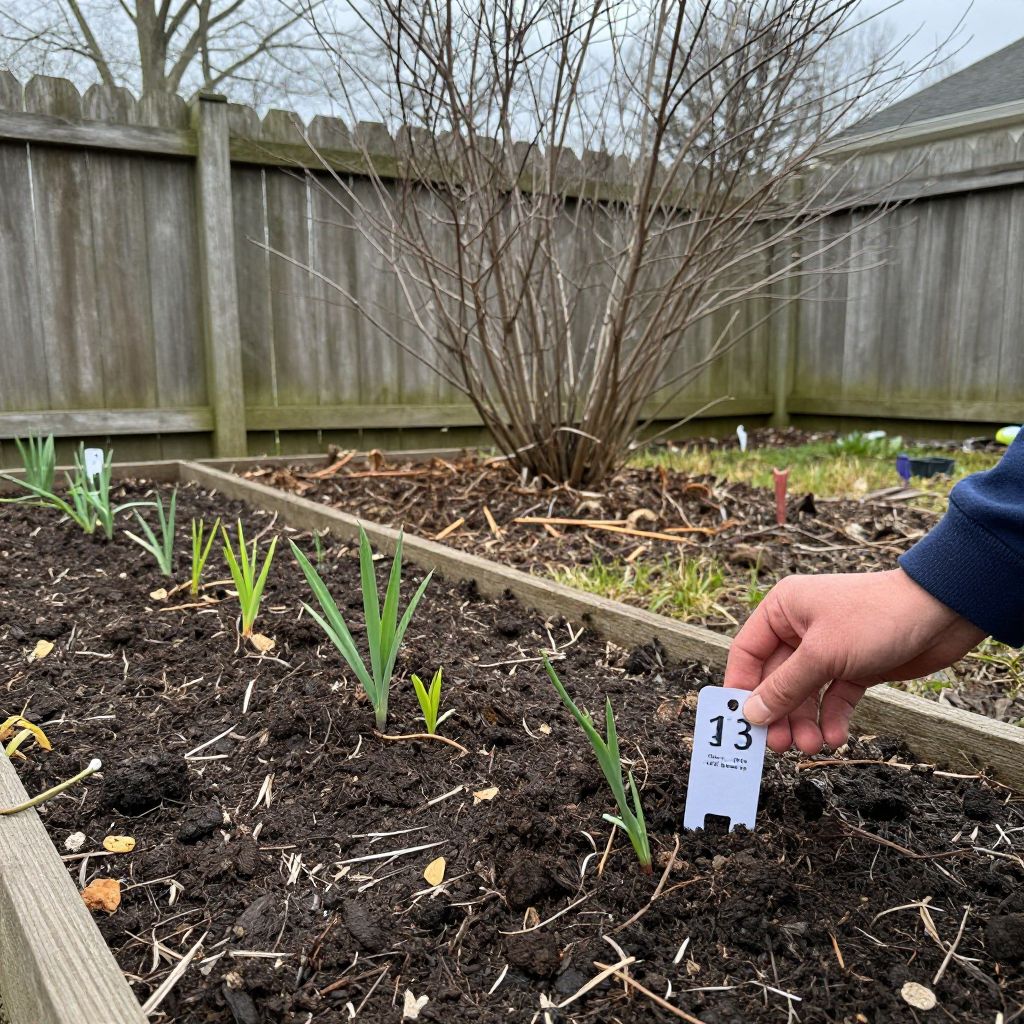
What zone is Massachusetts for gardening? The short answer is that Massachusetts spans several USDA hardiness zones, mainly zones 5b through 7a, with colder inland and western areas and milder coastal locations. That means your planting choices should depend on your exact town, elevation, and exposure—not just the state name.
Knowing your zone helps you choose perennials, shrubs, trees, and vegetables that can survive winter and return reliably. It also helps you time planting, protect tender plants, and avoid losing money on plants that are not suited to your local climate.
What Zone Is Massachusetts for Gardening?
Massachusetts is mostly in USDA hardiness zones 5b, 6a, 6b, and 7a. Western and higher-elevation areas are generally colder, while parts of Boston, Cape Cod, Martha’s Vineyard, and Nantucket are milder. Your exact zone can vary by neighborhood, so always check a local plant hardiness map before buying perennials.
Why Massachusetts Has More Than One Zone
Massachusetts is small, but its growing conditions vary a lot. Elevation, ocean influence, urban heat, wind exposure, and snow cover all affect winter lows and plant survival.
What affects your local zone?
- Distance from the coast: Coastal areas usually stay warmer in winter.
- Elevation: Higher spots in the Berkshires and central hills are colder.
- Urban heat: Dense city areas can be a half-zone or more warmer than nearby suburbs.
- Exposure: Open, windy sites can damage plants even if the zone looks suitable.
- Snow cover: Consistent snow can insulate roots from extreme cold.
That means a plant that thrives in Boston may struggle in the Berkshires, even though both are in Massachusetts. When in doubt, choose plants rated for one zone colder than your location for extra winter insurance.
How to Use Your Massachusetts Zone in the Garden
Hardiness zones tell you whether a perennial or woody plant can survive winter, but they do not tell you everything. You still need to consider soil moisture, sunlight, drainage, and summer heat.
Use the zone as a starting point, not the only rule
- Find your exact USDA zone for your town or property.
- Check whether your site is sunny, partly shaded, or shaded.
- Look at soil drainage after rain or snowmelt.
- Match the plant’s zone rating and cultural needs to your site.
- Choose a backup plan for winter protection if you are near the edge of a plant’s range.
Important: A plant rated for your zone may still fail if the soil stays soggy, the site is too windy, or the roots freeze and thaw repeatedly in winter.
Best Plants for Massachusetts Gardens by Zone
Massachusetts gardeners can grow a wide range of plants, but success depends on matching the plant to the local zone and site conditions. Native and well-adapted plants often handle the state’s winter swings better than borderline tender choices.
Reliable perennials and shrubs
- Hosta (Hosta spp.) for shade and part shade
- Echinacea (Echinacea purpurea) for sun and pollinators
- Daylily (Hemerocallis spp.) for low-maintenance borders
- Hydrangea (Hydrangea arborescens and some H. paniculata) for reliable bloom
- Spirea (Spiraea spp.) for hardy landscape use
- Inkberry holly (Ilex glabra) for coastal and acid soils
- Red twig dogwood (Cornus sericea) for winter interest
Plants that may need extra care in colder parts of the state
- Fig trees in open ground
- Rosemary outdoors year-round
- Some butterfly bushes in exposed inland sites
- Borderline fruit trees in frost pockets
- Container plants left outside without insulation
If you garden in a colder Massachusetts zone, choose hardy perennials and woody plants first, then treat borderline plants as experiments. Containers, mulch, and wind protection can help, but they do not replace proper hardiness.
Planting Tips for Massachusetts Conditions
Massachusetts gardens often deal with cold winters, wet springs, and variable fall weather. That makes drainage and timing especially important.
Soil and drainage matter as much as zone
Many Massachusetts soils are rocky, compacted, or naturally acidic. Some areas drain quickly, while others stay wet after heavy rain or snowmelt.
- Test drainage by digging a hole about 12 inches deep and filling it with water.
- If water still sits there after several hours, improve drainage before planting shrubs or perennials.
- Work in compost to improve soil structure, especially in poor or compacted beds.
- Avoid planting in low spots where cold air and water collect.
For most beds, a few inches of compost worked into the top layer can improve texture and water-holding ability. Do not bury plants too deeply; many landscape plants fail because the root flare ends up below grade.
Sun and exposure
Massachusetts summer sun can be strong, but spring and fall can be cool and windy. A south-facing wall may create a warmer microclimate, while an exposed hilltop can feel much colder than the zone map suggests.
- Use full sun for vegetables, many herbs, and flowering perennials.
- Use part shade for plants that scorch in hot afternoon sun.
- Give wind-sensitive plants shelter from prevailing winter winds.
When to Plant in Massachusetts
Planting time depends on what you are growing and where you live in the state. Spring can arrive late in colder inland areas, while coastal gardens may warm sooner.
General seasonal guidance
- Perennials and shrubs: Plant in spring after the soil is workable, or in early fall when temperatures cool and roots can establish.
- Annual flowers and warm-season vegetables: Wait until frost risk has passed and nights are consistently mild.
- Cool-season crops: Lettuce, peas, spinach, kale, and similar crops can often be planted earlier than heat-loving vegetables.
- Bulbs: Fall planting is usually best for spring bloomers.
Do not rely on a single calendar date for the whole state. A garden in western Massachusetts may need a later planting window than one on Cape Cod or in Greater Boston.
Watering, Mulching, and Winter Protection
Newly planted material needs consistent moisture, especially during the first growing season. After that, many hardy plants need less frequent watering, but they still benefit from deep, infrequent soakings during dry spells.
Watering basics
- Water newly planted trees, shrubs, and perennials deeply at the root zone.
- Check soil moisture before watering again; the top layer should not stay soggy.
- Water in the morning when possible to reduce disease pressure on leaves.
- Container plants dry out faster than in-ground plants, especially in wind and sun.
Mulch for winter and summer stability
A 2- to 3-inch layer of mulch helps moderate soil temperature, conserve moisture, and reduce weeds. Keep mulch a few inches away from stems and trunks to prevent rot and rodent damage.
In colder parts of Massachusetts, mulch can also protect shallow roots from winter freeze-thaw cycles. This is especially useful for newly planted perennials, roses, and young shrubs.
Protecting borderline plants
- Use burlap or other windbreaks for exposed evergreens.
- Move containers into a sheltered location or insulate them in winter.
- Apply extra mulch after the ground begins to cool, not too early in fall.
- Choose sheltered planting sites near fences, hedges, or buildings when appropriate.
Common Problems Massachusetts Gardeners Face
Even when you choose the right zone, local conditions can still create problems. Knowing the most common issues helps you catch them early.
Late frosts
Spring frost can damage tender growth, especially on fruit trees, tomatoes, peppers, and annual flowers. If frost is forecast, cover tender plants with fabric overnight and remove covers in the morning.
Wet springs and root rot
Heavy rain and slow drainage can suffocate roots. Raised beds, improved soil structure, and careful watering help prevent this problem.
Winter burn on evergreens
Evergreens can lose moisture on windy, sunny winter days while the ground is frozen. Water plants well before freeze-up and use wind protection where needed.
Deer and rabbit browsing
In many Massachusetts neighborhoods, wildlife pressure is part of gardening. Use fencing, repellents, or plant choices that are less attractive to browsing animals.
Salt exposure near roads and driveways
Salt spray and runoff can damage roots and foliage. If you garden near salted pavement, choose tolerant plants and improve drainage so salt does not build up in the root zone.
Practical Garden Planning for Massachusetts
Once you know your zone, you can build a smarter planting plan. Start with dependable plants, then add more tender choices only where your site offers extra protection.
A simple planning approach
- Map your yard by sun, shade, wet spots, and wind exposure.
- Identify your exact USDA zone.
- Choose plants rated for your zone or colder.
- Match each plant to the right soil and moisture conditions.
- Group plants with similar water needs together.
This approach saves time and reduces plant loss. It also makes maintenance easier because you are not forcing one watering routine onto plants with very different needs.
Indoor vs. Outdoor Gardening in Massachusetts
Indoor gardening is less affected by hardiness zones, but the state’s long winters still matter. Short days, dry indoor heat, and low light can stress houseplants and seedlings.
Indoor growing tips
- Place seedlings and houseplants near the brightest available window.
- Rotate pots so growth stays even.
- Use grow lights if natural light is limited.
- Watch for dry indoor air during heating season.
For outdoor gardening, hardiness zone matters much more. A plant that looks healthy in summer may still die back in winter if it is not suited to your Massachusetts location.
Conclusion: Start with Your Exact Town, Then Choose Plants Wisely
If you are asking, “What zone is Massachusetts?” the best answer is that it depends on where you live, but most of the state falls between zones 5b and 7a. Check your exact location, then choose plants, planting times, and winter protection based on your site conditions.
For more help planning a resilient garden, you may also want to read about choosing the right perennial plants for your climate and improving garden soil and drainage for healthier roots.