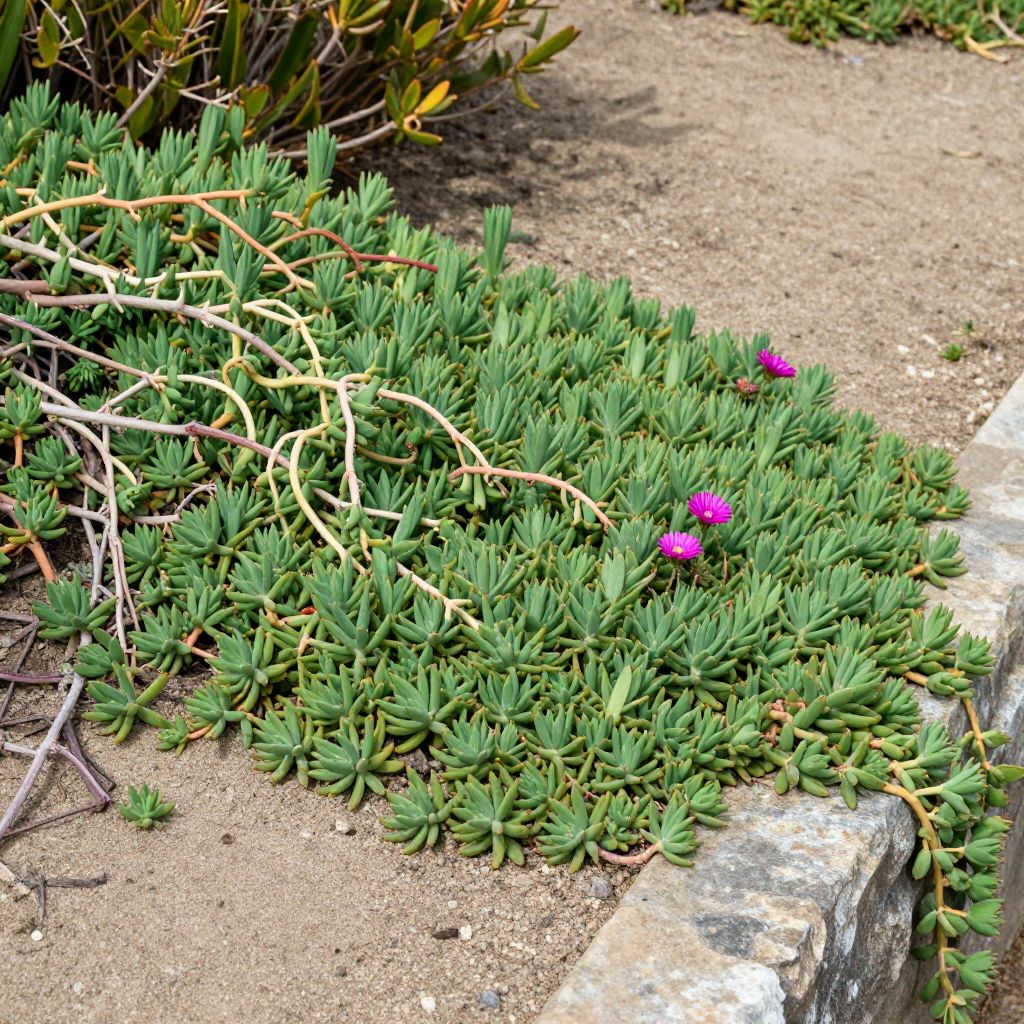
Why is ice plant bad in some gardens? The short answer is that many ice plants spread aggressively, crowd out other plants, and can be hard to control once established. Some types also struggle in heavy soil or wet climates, where they rot instead of thriving. The “bad” part usually depends on where and how you grow it.
If you are dealing with an overgrown patch, a failing planting, or a plant that seems to be taking over, the solution is usually better site selection, tighter maintenance, and choosing a less invasive groundcover when needed. Understanding the plant’s growth habit is the first step.
Why is ice plant bad?
Ice plant is often considered bad because many species spread fast, form dense mats, and displace slower-growing plants. In the wrong climate or soil, it can also become sparse, rot-prone, or messy. The main issues are invasiveness, poor fit for wet conditions, and difficulty removing established growth.
What “ice plant” actually means
The name ice plant is used for several different succulents, so the problems can vary. Some are ornamental groundcovers in the family Aizoaceae, commonly grown for their bright flowers and fleshy leaves. Others are sold as drought-tolerant landscape plants but may behave very differently depending on your region.
Why identification matters
Before you decide the plant is a problem, identify which ice plant you have. A sprawling groundcover in a coastal, dry garden may be useful, while the same plant can become invasive or decline badly in a cooler, wetter yard.
- Check the leaf shape and growth habit.
- Note whether it creeps by stems, roots, or both.
- Observe whether it survives winter or dies back.
- Look up local invasive-plant guidance for your area.
Common reasons ice plant causes problems
1. It spreads too quickly
Many ice plants root as they creep, which lets them cover bare soil fast. That can be helpful on slopes, but it becomes a problem when the plant escapes beds, smothers perennials, or climbs into neighboring spaces.
2. It crowds out other plants
A thick mat can block light and reduce airflow at the soil surface. Smaller perennials, seedlings, and bulbs may struggle to emerge through it, especially if the ice plant is allowed to thicken for several seasons.
3. It can be hard to remove
Once established, the stems and rooted nodes can break apart during weeding. Even small fragments may regrow if left in contact with soil, so casual pulling often makes the problem worse instead of solving it.
4. It may rot in wet soil
Ice plants are usually better suited to fast-draining soil than to heavy clay or constantly damp beds. In wet conditions, the crown and stems can collapse, especially in cool weather or where irrigation stays on too long.
5. It can look untidy in the wrong setting
In a garden that is too shady, too rich, or too moist, ice plant may stretch, thin out, or develop patchy growth. Instead of a neat groundcover, you get bare spots, weak stems, and a messy edge.
When ice plant is a poor choice for your garden
Ice plant is usually a poor choice if you garden in a rainy climate, have clay soil that drains slowly, or want a low-maintenance planting with slow growth. It is also a poor fit near natural areas where aggressive spread could become an ecological issue.
- Choose it only if conditions are dry and sunny.
- Avoid it where winter wet is common.
- Do not use it near meadows, wild edges, or open soil that it can colonize.
- Skip it if you want a plant that stays neatly in bounds without regular trimming.
How to grow ice plant successfully if you keep it
Give it the right site
Most ice plants prefer full sun and sharply drained soil. If your garden stays damp after rain, plant on a slope, raised bed, or berm so excess water moves away from the crown.
Improve drainage before planting
Work with your existing soil instead of trying to force a dryland plant into a wet site. In heavy soil, add coarse mineral material or create a raised planting area rather than relying on compost alone, which can hold more moisture than you want.
Water sparingly
New plantings need some moisture to establish, but mature ice plants usually do best with infrequent watering. Let the soil dry between waterings, and avoid overhead irrigation that keeps foliage and stems wet.
Important: Overwatering is one of the fastest ways to turn a healthy ice plant into a rotting one.
Use mulch carefully
Light gravel mulch often works better than thick organic mulch around ice plant. Heavy mulch can trap moisture against the stems and encourage rot, especially in cooler weather.
How to control or remove an ice plant that is becoming a problem
Step-by-step removal
- Water the area lightly the day before if the soil is very hard, so roots come up more cleanly.
- Cut back the top growth into manageable sections.
- Lift rooted stems with a hand fork or spade, following the runners as far as possible.
- Collect all fragments, including small stem pieces.
- Do not compost pieces that can re-root unless your compost system reliably reaches high heat.
- Monitor the area for regrowth and pull new shoots early.
What to do after removal
Once the ice plant is out, replant the area quickly with a better-suited groundcover or mulch it well to reduce regrowth. Bare soil invites both weeds and leftover fragments to re-establish.
- Choose slower-spreading plants for small beds.
- Use edging to keep runners from crossing boundaries.
- Inspect the site every few weeks during the growing season.
Common care mistakes that make ice plant “bad” faster
Planting in shade
Too little sun often leads to weak, stretched growth and poor flowering. If the plant cannot get several hours of direct light, it may never form the dense, attractive mat you expected.
Using rich, moisture-holding soil
Ice plant is not a lush border perennial. Soil that is too fertile or too moisture-retentive can cause floppy growth and root problems instead of compact, healthy coverage.
Letting it run unchecked
Even a useful ice plant can become troublesome if you never trim the edges. Regular edging keeps it from invading paths, neighboring beds, and lawn areas.
Ignoring climate match
A plant that thrives in a dry coastal garden may fail in a humid inland one. Always match the plant to your local rainfall, winter temperatures, and soil drainage.
Better alternatives if ice plant is causing trouble
If you like the look of a low, spreading plant but do not want the risks, consider a less aggressive groundcover suited to your climate. The best replacement depends on sun exposure, soil type, and how much foot traffic the area gets.
- For dry, sunny spots: choose drought-tolerant groundcovers that stay compact.
- For wetter soils: choose plants that tolerate periodic moisture and do not rot easily.
- For slopes: use plants with strong root systems but slower spread.
When in doubt, ask a local nursery or extension service for groundcovers that are non-invasive in your region.
Quick troubleshooting guide
If it is spreading too much
Cut back the edges, remove rooted sections, and install physical barriers if needed. Recheck the bed monthly during active growth.
If it is turning brown or mushy
Check drainage first. Reduce watering, improve air circulation, and remove any rotting stems before the problem spreads.
If it is thin and weak
Move it to a sunnier, drier location if possible. Thin growth often means the plant is not getting the conditions it needs.
Conclusion
Ice plant is not automatically bad, but it can be a poor fit when it spreads too fast, rots in wet soil, or overwhelms nearby plants. The best fix is to match the plant to the site, keep it trimmed, and remove it if it is escaping control. If you are unsure, inspect your soil drainage and growth habit first, then decide whether to keep, manage, or replace it.
If you are planning a better groundcover, it may help to read more about choosing drought-tolerant plants for sunny beds and improving garden drainage for succulents.