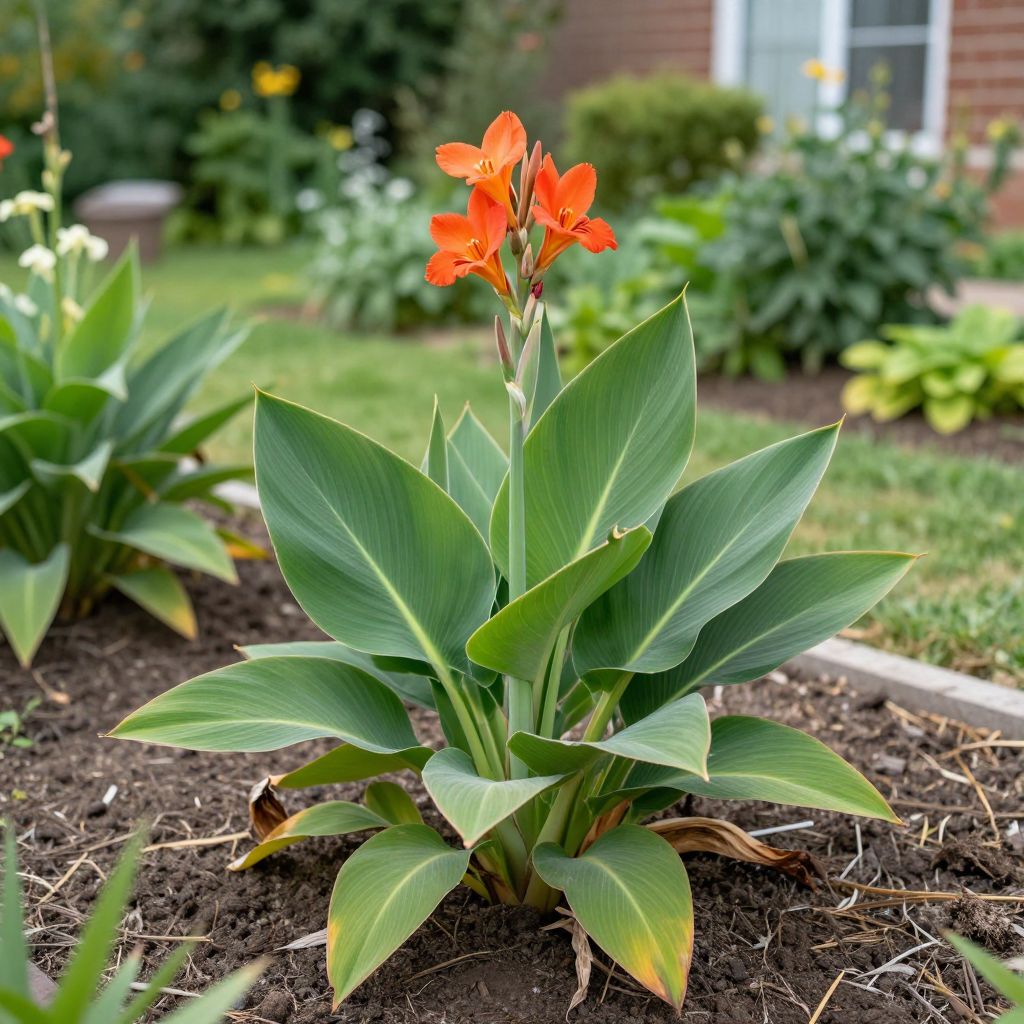
Are canna lilies perennials? In many gardens, yes: canna lilies are perennial in warm climates and can return year after year from their rhizomes. In colder areas, they are usually treated as tender perennials, lifted for winter, or grown in containers so they can be protected from frost.
The key is understanding your climate and how canna rhizomes respond to cold. With the right planting depth, sun, moisture, and winter care, you can keep these bold tropical-looking plants healthy for seasons to come.
Are canna lilies perennials?
Yes, canna lilies are herbaceous perennials in frost-free or mild-winter climates, where their underground rhizomes survive and regrow each spring. In colder regions, they are not reliably winter-hardy outdoors, so gardeners either dig and store the rhizomes or grow them in pots and overwinter them indoors.
What makes canna lilies perennial in some gardens?
Cannas grow from thick rhizomes rather than true bulbs. Those rhizomes store energy and produce new shoots after the top growth dies back, which is why the plant can return each year when winter temperatures stay above freezing or when the rhizomes are protected from hard frost.
Perennial in warm zones, seasonal in cold ones
- Warm climates: Rhizomes stay in the ground and sprout again in spring.
- Cold climates: Frost kills the foliage, and the rhizomes may rot or freeze if left unprotected.
- Container growing: Lets you move plants to shelter before freezing weather arrives.
How to tell if your canna will come back
If your area has mild winters and the soil rarely freezes deeply, canna lilies often behave as true perennials. If you regularly get hard frosts or frozen ground, plan on treating them as tender perennials unless you can provide winter protection.
How to grow canna lilies for reliable return each year
Cannas are heavy growers that need warmth, moisture, and feeding to build strong rhizomes. The better their growing conditions, the more likely they are to survive winter well and produce vigorous growth the next season.
Planting location
- Choose full sun for the best flowering and strongest stems.
- In very hot regions, a little afternoon shade can help prevent stress.
- Pick a spot sheltered from strong wind, which can shred leaves and snap flower stalks.
Soil and drainage
Cannas like rich, moisture-retentive soil, but they do not want to sit in stagnant water unless the variety is specifically suited to wet conditions. Improve poor soil with compost before planting, and make sure beds drain well enough that water does not pool around the rhizomes.
- Work in compost or well-rotted organic matter to improve fertility and texture.
- Avoid compacted soil, which can slow root growth.
- If your soil is heavy clay, consider raised beds or planting on a slight mound.
Planting depth and spacing
Plant rhizomes horizontally with the growing eyes facing up, covering them with soil according to local recommendations or the planting instructions for your particular variety. Space plants well so they can spread without crowding; cannas often need room for broad leaves and good air circulation.
Watering and feeding for healthy rhizomes
Cannas grow fastest when they have steady moisture and enough nutrients. Dry soil can slow growth and reduce flowering, while excessive fertilizer can push soft leafy growth that is more vulnerable to pests and winter damage.
Watering tips
- Keep newly planted cannas evenly moist until they are established.
- Water deeply during dry spells rather than giving frequent shallow sprinklings.
- Mulch around the base to help conserve moisture and moderate soil temperature.
If you grow cannas in containers, they may need watering more often than in-ground plants, especially during hot weather. Check the soil with your finger; water when the top layer begins to dry, but do not let the pot stay soggy for long periods.
Feeding tips
Use compost at planting time and, if needed, a balanced fertilizer during the growing season according to the product label and your soil conditions. In fertile garden soil, cannas may need very little extra feeding beyond organic matter and occasional top-dressing with compost.
What to do in fall and winter
Winter care is the biggest factor in whether canna lilies behave as perennials in your garden. In mild climates, they may stay in the ground with a layer of mulch. In colder climates, you usually need to dig them up before hard frost or protect them in a frost-free space.
Overwintering cannas in the ground
- After frost blackens the foliage, cut stems back to a few inches above the soil.
- Apply a thick mulch layer over the rhizome area if your winters are only lightly frosty.
- Check in spring for new shoots once soil temperatures warm.
Digging and storing rhizomes
- Wait until the foliage has been damaged by frost or has naturally slowed down.
- Cut the stems back and carefully lift the rhizomes with a fork or spade.
- Shake off excess soil and let them dry briefly in a sheltered, airy place.
- Store them in a cool, dry, frost-free location in peat-free material such as dry wood shavings, paper, or vermiculite if appropriate for your setup.
- Inspect occasionally for rot or shriveling during winter.
Important: Rhizomes should not be stored wet or in sealed plastic where condensation can build up. Excess moisture is a common cause of winter rot.
Pruning, deadheading, and seasonal cleanup
Cannas benefit from simple maintenance during the growing season. Removing spent flowers can keep the plant looking tidy, and cutting back dead stems in autumn makes winter handling easier.
Deadheading
Snip off faded flower stalks if you want a cleaner appearance and to encourage the plant to focus energy on growth rather than seed production. Some gardeners leave seed heads in place for interest, but deadheading is helpful if the plant looks ragged.
End-of-season cleanup
- Cut stems down after frost has finished the foliage.
- Remove diseased or damaged material from the planting area.
- Do not compost obviously diseased plant parts unless your compost system reaches and maintains proper heat.
Common problems that affect canna lilies as perennials
Most canna problems are linked to climate, moisture, or crowding rather than difficult diseases. Catching issues early helps the rhizomes stay strong enough to return next year.
Yellowing leaves
Yellow leaves can mean too little water, poor drainage, nutrient shortage, or natural aging of lower foliage. Check soil moisture first, then look at overall plant vigor before adding fertilizer.
Pests
- Aphids may cluster on soft new growth.
- Spider mites can appear in hot, dry conditions.
- Slugs and snails may chew young leaves in damp gardens.
Use a strong spray of water for aphids when infestations are light, improve airflow around crowded plants, and keep the planting area tidy. For slugs, reduce hiding places and check plants at dusk or after rain.
Rot and winter loss
Rhizome rot usually comes from waterlogged soil or poor storage. If a rhizome feels soft, smells bad, or turns mushy, discard it and review drainage and storage conditions before the next planting season.
How to divide and propagate canna lilies
Division is the easiest way to multiply cannas and refresh older clumps. It also helps prevent overcrowding, which can reduce flowering and increase disease pressure over time.
When to divide
Divide canna rhizomes in spring, once you can clearly see buds and before vigorous new growth becomes too large. In some climates, division can also be done after lifting in fall, but spring division is often easier for beginners because healthy buds are easier to identify.
How to divide
- Lift the clump carefully.
- Separate the rhizomes into sections, making sure each piece has at least one healthy bud.
- Trim away dead or damaged portions.
- Replant divisions promptly in prepared soil or containers.
Use clean, sharp tools to reduce damage and disease spread. If a division has no visible bud, it will not grow.
Best uses in the landscape
Cannas make excellent focal points because of their large leaves and bright flowers. They work well at the back of borders, near patios, beside ponds, or in large containers where their tropical look can stand out.
- Use them as a bold accent in mixed beds.
- Plant them in groups for a stronger visual effect.
- Combine them with lower-growing plants that enjoy similar moisture and sun.
Because they can get tall and leafy, give them space so they do not overwhelm smaller neighbors. In windy sites, staking may help taller varieties stay upright.
Quick answers to common canna lily questions
Do canna lilies come back every year?
Yes, if the rhizomes survive winter. In warm climates they return naturally, while in cold climates they need protection or lifting.
Can you leave canna lilies in the ground all winter?
Only if your winters are mild enough that the soil does not freeze hard. In colder regions, leaving them in the ground is risky unless you provide reliable insulation and drainage.
Why didn’t my canna come back?
Common reasons include frost damage, rot from wet soil, poor storage, or rhizomes that were too small or weak to survive winter.
Conclusion: make cannas perennial in your garden
Are canna lilies perennials? They can be, if your climate and winter care allow the rhizomes to survive. Give them sun, rich soil, regular moisture, and the right overwintering strategy, and they can return with strong growth year after year. If you are unsure about your winter conditions, start by checking your local frost risk and deciding whether to mulch, lift, or container-grow them.
For more practical planting guidance, you may also want to read about how to divide perennials and winterizing garden plants.