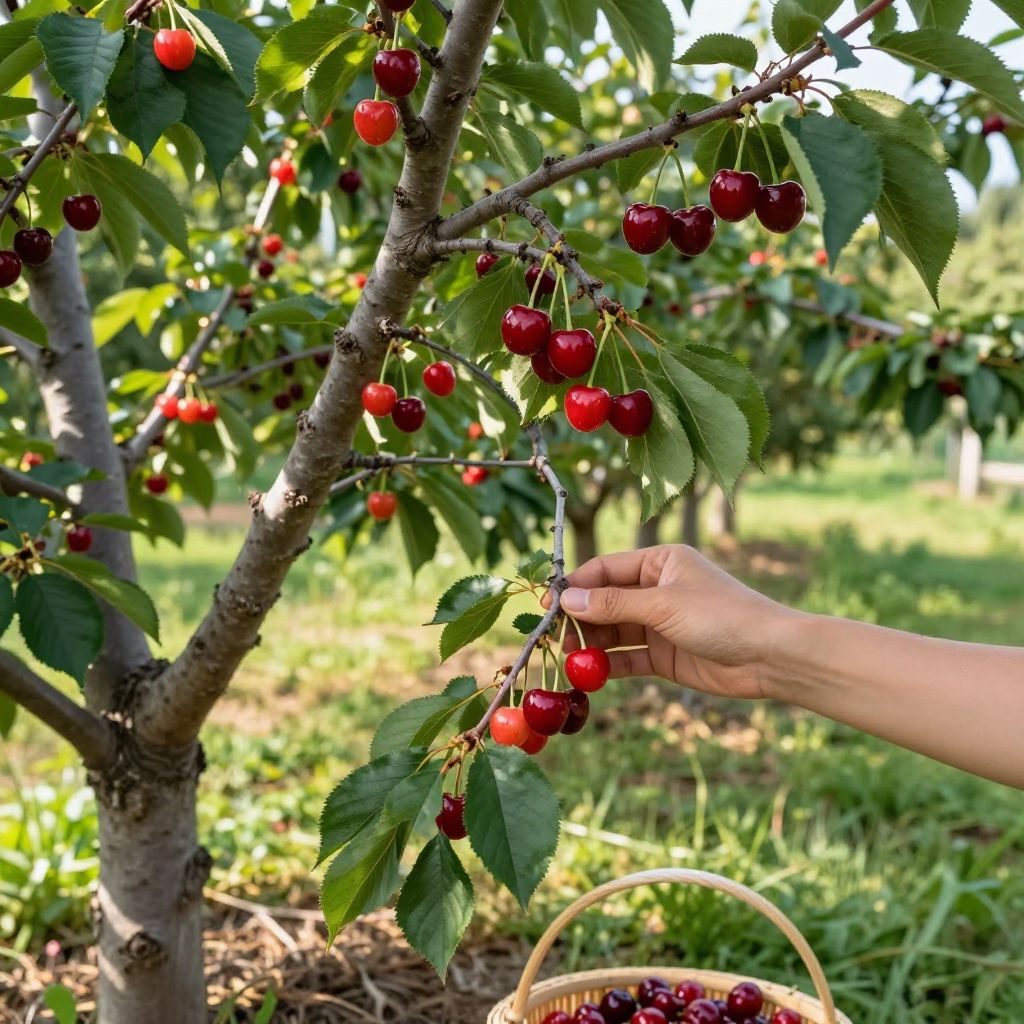
Wondering when do cherries come in season? The short answer is that cherries are usually harvested in late spring to early summer, but the exact timing depends on your climate, the cherry type, and the variety you grow. Sweet cherries often ripen first, followed by tart cherries a little later in many regions.
If you want the best flavor, the key is to watch fruit color, firmness, and taste rather than relying on the calendar alone. Local weather can shift harvest by a week or more, so your own tree may ripen earlier or later than nearby gardens.
When do cherries come in season?
Cherries are typically in season from late spring through early summer, with sweet cherries often ready first and tart cherries following soon after. In warmer climates, harvest may begin earlier; in cooler areas, it may stretch later. The best indicator is fruit that has reached full color, sweetness, and easy stem release.
What affects cherry season timing?
Cherry season is not the same everywhere because ripening depends on temperature, winter chill, spring weather, and the variety you grow. Even two trees in the same yard can ripen at slightly different times if they get different sun exposure or airflow.
Climate and region
In many temperate areas, cherries ripen from May through July. Warmer regions may see earlier harvests, while high-elevation or northern gardens may harvest later.
Sweet vs. tart cherries
- Sweet cherries (often eaten fresh) usually ripen first.
- Tart cherries often come a bit later and are commonly used for cooking and preserving.
Variety matters
Some cultivars mature early, midseason, or late. If you are planting for a longer harvest window, choose varieties with staggered ripening times rather than one single harvest period.
How to tell cherries are ready to pick
Do not pick cherries just because the calendar says they should be ready. A ripe cherry should have good color for its variety, a plump feel, and a sweet or pleasantly tart flavor. Most cherries detach with the stem attached when they are ready.
- Color: The fruit should match the mature color of the variety.
- Taste: Sample a few cherries from different parts of the tree.
- Texture: Ripe cherries feel firm but not hard.
- Stem attachment: Ripe fruit usually comes off with a gentle lift or twist.
If you are unsure, taste several cherries over a few days. Ripening can happen quickly, especially during warm weather.
Growing cherries for a reliable harvest
If you want cherries from your own garden, the tree’s growing conditions matter just as much as the season. Healthy trees ripen more evenly and produce better fruit. Cherries generally need full sun, well-drained soil, and enough space for air circulation.
Best site conditions
- Sunlight: Aim for at least 6 to 8 hours of direct sun.
- Soil: Use fertile, well-drained soil; cherries dislike soggy roots.
- Airflow: Good spacing helps reduce fungal disease.
- Protection: Avoid frost pockets if possible, since late spring frost can damage blossoms and reduce the crop.
Planting basics
Plant bare-root or container-grown trees during the dormant season or at a time recommended for your local climate. Dig a wide planting hole, loosen compacted soil, and avoid burying the graft union if your tree is grafted.
After planting, water deeply and mulch with a thin layer of organic material, keeping mulch a few inches away from the trunk.
How to care for cherry trees through the season
Good care helps your tree move from blossom to ripe fruit without stress. The goal is steady growth, healthy foliage, and fruit that matures cleanly.
Watering
Young trees need consistent moisture while they establish roots. Mature trees generally need less frequent watering, but dry spells during fruit development can reduce fruit size and quality.
- Water deeply rather than lightly sprinkling the surface.
- Check soil moisture a few inches down before watering again.
- Reduce waterlogging, which can stress roots and encourage disease.
Feeding and mulch
Use compost or well-rotted organic matter to improve soil structure, especially in poor ground. Avoid overfeeding with nitrogen, which can push leafy growth at the expense of fruiting.
Mulch helps moderate soil moisture and temperature, but keep it off the trunk to prevent rot and pest problems.
Pruning
Prune cherries to maintain a balanced shape, remove dead or crossing branches, and improve light penetration. Better light helps fruit ripen more evenly.
- Prune at the recommended time for your tree type and climate.
- Remove damaged wood and crowded interior growth.
- Keep tools clean and sharp to make smooth cuts.
Common problems that affect cherry harvest timing
Several issues can delay ripening or reduce fruit quality. Catching them early makes a big difference.
Bird damage
Birds often discover cherries right as they begin to color. Netting is one of the most effective ways to protect a crop, especially as harvest approaches.
Cracking after rain
Heavy rain near harvest can cause cherries to split. Consistent soil moisture and good tree health help, but you may still need to harvest promptly when fruit is nearly ripe and wet weather is forecast.
Brown rot and fungal disease
Fungal problems can damage blossoms and fruit, especially in damp, crowded canopies. Improve airflow, remove infected fruit, and clear fallen debris promptly.
Pests
Aphids, cherry fruit flies, and other pests may affect fruit quality. Monitor regularly and use appropriate nonchemical or low-impact controls where possible, such as sanitation, netting, and trapping methods suited to your area.
Harvesting cherries the right way
Pick cherries in the cool part of the day if possible. Handle them gently, because ripe fruit bruises easily and does not store well if damaged.
- Test a few fruits for color and flavor.
- Hold the stem, not the fruit, and lift or twist gently.
- Place cherries in a shallow container to avoid crushing.
- Sort out damaged or split fruit right away.
For the best eating quality, harvest fully ripe cherries and use them soon after picking. Refrigeration can extend freshness, but flavor is usually best when fruit is handled carefully and cooled promptly.
Can you grow cherries in a small garden?
Yes, but tree size and pollination needs matter. Some sweet cherries need a compatible pollinator, while some tart cherries are self-fertile. If space is limited, choose a smaller tree form, keep up with pruning, and confirm pollination requirements before planting.
In small gardens, spacing and sunlight are just as important as variety choice. A well-placed tree with enough room to mature will usually produce better fruit than a crowded tree struggling for light.
Quick seasonal checklist
- Watch for blossom timing in spring to estimate harvest.
- Check fruit color and taste regularly as summer approaches.
- Protect ripening cherries from birds and rain damage.
- Harvest promptly once fruit is fully ripe.
- Prune and maintain trees after harvest according to your climate and tree type.
If you are planning a cherry tree or trying to time this year’s harvest, start by observing your local weather and checking fruit color every few days once the cherries begin to blush. For more seasonal fruit-growing guidance, you may also want to read about pruning fruit trees and how to improve garden soil drainage.