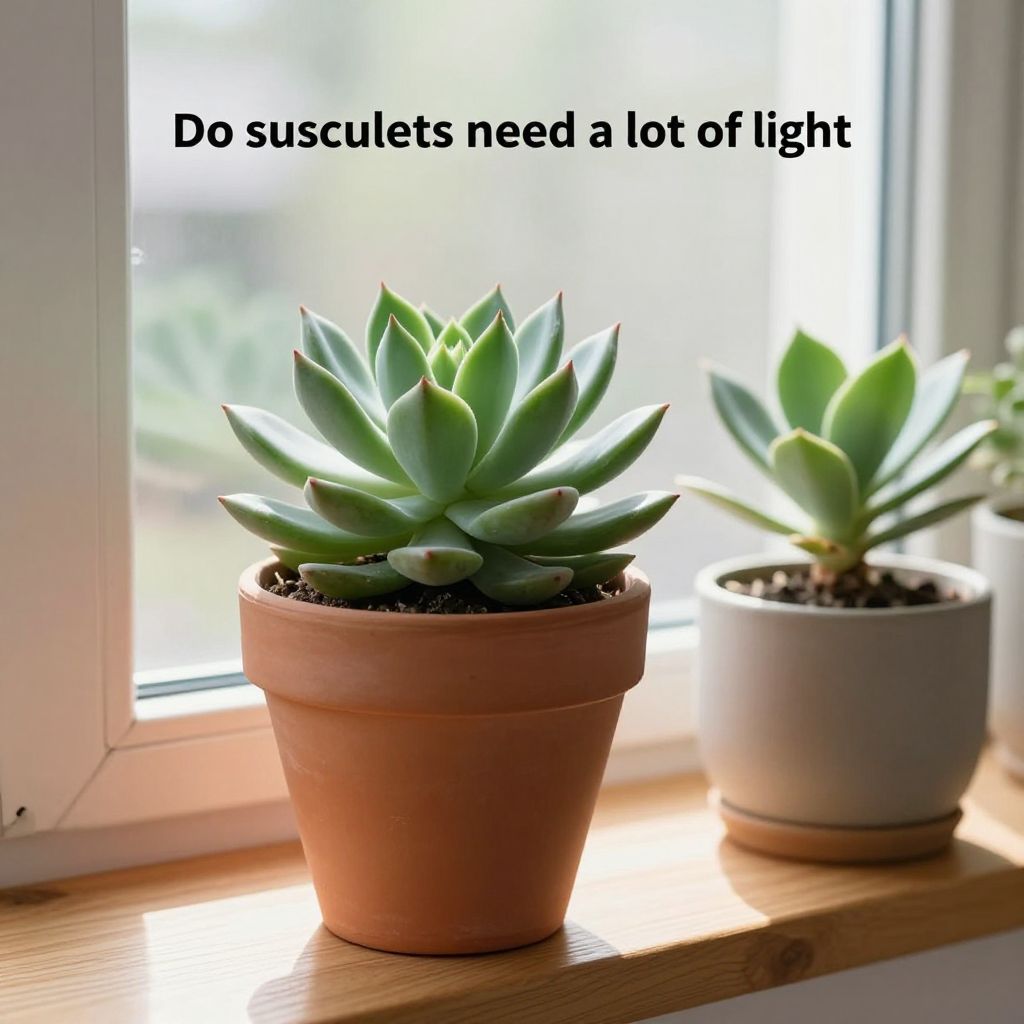
Do succulents need a lot of light? Usually, yes—but not necessarily harsh, all-day sun. Most succulents grow best with bright light for several hours a day, and many need direct sun to stay compact and colorful. The right amount depends on whether they’re indoors or outdoors, the species, and how gradually they’re acclimated.
If your succulent is stretching, fading, or leaning toward a window, it’s probably asking for more light. If it’s getting sunburned, bleached, or crispy, it may be getting too much too fast. The goal is bright, steady light that matches the plant’s natural growing conditions.
Do succulents need a lot of light?
Most succulents need bright light and many do best with 4 to 6 hours of direct sun outdoors, or the brightest window you can give indoors. Low light usually causes leggy growth, pale color, and weak stems. Some species tolerate partial shade better, but very few succulents stay healthy in dim rooms for long.
How much light succulents really need
“A lot of light” can mean different things depending on the plant and where it grows. A sun-loving echeveria on a patio needs much more light than a haworthia on an indoor sill, and both may struggle if conditions are too dark.
General light ranges
- Bright indirect light: Good for many indoor succulents near a sunny window.
- Several hours of direct sun: Often best for rosette-forming and desert-type succulents.
- Filtered or morning sun: Helpful in very hot climates where afternoon sun can scorch leaves.
If you’re unsure, start with brighter indirect light and increase exposure gradually. Succulents adapt slowly, and sudden changes are one of the main reasons they get damaged.
Indoor succulents: where to place them
Indoors, light is usually the limiting factor. A windowsill can be ideal, but the direction of the window matters, and seasonal changes can alter how much light the plant receives.
Best indoor window choices
- South-facing windows: Usually the brightest option in the Northern Hemisphere.
- West-facing windows: Often strong afternoon light, which can be excellent for many succulents.
- East-facing windows: Good morning sun and gentler conditions.
- North-facing windows: Often too dim for most succulents unless supplemented with grow lights.
Rotate pots every week or two so the plant grows evenly instead of leaning toward the light. If a window is bright but the plant still stretches, move it closer to the glass or add a grow light.
When indoor light is not enough
Signs of insufficient light include long gaps between leaves, pale green growth, and a plant that looks “open” instead of compact. In that case, a grow light can make a big difference.
- Use a full-spectrum LED grow light if natural light is limited.
- Keep the light close enough to be effective, but not so close that leaves heat up.
- Run it long enough to mimic a normal day, especially in winter when daylight is shorter.
Even with a grow light, succulents still need airflow, proper soil, and careful watering. Light helps them grow, but it does not replace the rest of their care.
Outdoor succulents and sunlight
Outdoor succulents generally need more light than indoor plants because the sun is stronger and more direct. Many species develop better color and tighter growth outdoors, but they still need protection from sudden exposure and extreme heat.
Sun exposure by climate
In mild climates, full sun may work well for many succulents. In hot, dry regions, some plants do better with morning sun and afternoon shade. In humid or cooler climates, they may tolerate more direct light without stress.
Watch the plant, not just the weather forecast. A succulent that thrives in spring may need more protection in midsummer, especially if it is in a pot that heats up quickly.
How to tell if your succulent is getting too little light
Low light problems often appear gradually. The plant may survive for a while, but it usually becomes weaker and less attractive over time.
- Stretching or etiolation: Stems elongate and leaves space out.
- Leaning toward the window: The plant is reaching for stronger light.
- Pale or dull color: Many succulents lose their rich tones in low light.
- Soft, weak growth: New leaves may be smaller and less firm.
If you see these signs, increase light gradually. Move the plant to a brighter spot over several days rather than switching it instantly from shade to full sun.
How to tell if your succulent is getting too much light
Too much sun can be just as damaging as too little, especially for newly moved plants or species that prefer filtered light. Sun stress is not always harmful, but true sunburn is.
- Bleached or washed-out patches: Leaves may look faded or white.
- Brown, dry, crispy spots: Often a sign of sunburn.
- Wrinkling with heat stress: The plant may lose moisture faster than roots can replace it.
- Sudden damage after moving outdoors: Common when plants are not acclimated.
Some succulents naturally blush red, pink, or purple in strong light. That color change can be normal, but if the tissue becomes dry and damaged, the plant is getting too much direct sun too quickly.
How to acclimate succulents to stronger light
Acclimation is one of the most important steps in succulent care. A plant grown in a nursery, on a shelf, or in a shaded room should not be put straight into intense sun.
- Start with bright indirect light or gentle morning sun.
- Increase direct sun exposure a little at a time over 1 to 2 weeks.
- Check leaves daily for fading, scorch, or shriveling.
- Move the plant back slightly if damage appears.
This process is especially important in late spring and early summer, when sunlight intensity rises quickly. A slow transition helps the plant build tolerance without injury.
Light needs by common succulent types
Not all succulents have the same light preferences. Knowing the general group helps you place them better.
Sun-loving types
Many echeverias, sedums, sempervivums, and some crassulas prefer strong light and may become leggy in shade. These often do best in the brightest spot you have, with gradual acclimation to direct sun.
More shade-tolerant types
Haworthia, gasteria, and some aloe species often prefer bright indirect light or filtered sun. They can still need a bright location, but they are more likely to scorch in intense afternoon sun.
Mixed collections
If you grow several succulent types together, place the most sun-loving plants in the brightest position and keep the more shade-tolerant ones slightly back from the glass or under light shade outdoors.
Soil, drainage, and watering still matter
Light is only one part of succulent care. Even a plant in perfect sun can struggle if the soil stays wet too long or the pot has poor drainage.
- Use a fast-draining succulent or cactus mix.
- Choose pots with drainage holes.
- Water thoroughly, then let the soil dry before watering again.
- Avoid heavy compost-rich soil that holds too much moisture.
Bright light and proper drainage work together. In stronger light, succulents often dry faster and may need water a bit more often than in lower light, but always check the soil first instead of following a fixed schedule.
Seasonal light changes to watch for
Succulents do not experience the same light level all year. Winter sun is weaker and shorter, while summer sun can be intense enough to burn leaves through a window.
Winter
Indoor succulents may need the brightest possible window in winter. If growth slows, that is normal, but stretching usually means the plant still needs more light.
Spring and summer
Plants moved outdoors should be hardened off gradually. In very hot climates, some afternoon shade can prevent stress and preserve leaf color.
Fall
As daylight shortens, you may need to move pots closer to light sources or supplement with grow lights to prevent stretching.
Common mistakes to avoid
- Moving a plant from low light to full sun too fast.
- Assuming all succulents want the same amount of sun.
- Keeping them far from windows and expecting compact growth.
- Ignoring seasonal changes in light intensity.
- Confusing sun stress color with healthy color change.
One of the biggest mistakes is rescuing a stretched succulent by suddenly placing it in intense sun. That often causes sunburn instead of recovery. Gradual adjustment is safer and more effective.
Pests and stress linked to poor light
Weak, stretched succulents are more likely to suffer pest problems and rot because they grow slowly and stay stressed. Mealybugs, scale, and fungus gnats are common issues when plants are also overwatered or kept in dim conditions.
Healthy light levels help the plant stay compact and resilient. If you notice pests, correct the light and watering conditions at the same time, not just the visible infestation.
Practical setup tips for better light
If you want your succulents to stay healthy and attractive, a few simple adjustments can improve their light exposure right away.
- Place plants as close to a bright window as possible without touching cold glass in winter.
- Use a clean windowsill or shelf that does not block the light.
- Turn pots regularly so growth stays balanced.
- Use reflective surfaces nearby to brighten a dim corner.
- Group plants by light needs instead of mixing sun lovers with shade-tolerant types.
Conclusion
So, do succulents need a lot of light? In most cases, yes—bright light is essential for compact growth, strong color, and healthy stems. Start by giving your plant the brightest suitable spot, then adjust gradually based on how it responds. If you want to learn more about succulent care, look for practical guides on soil, watering, and indoor plant placement.