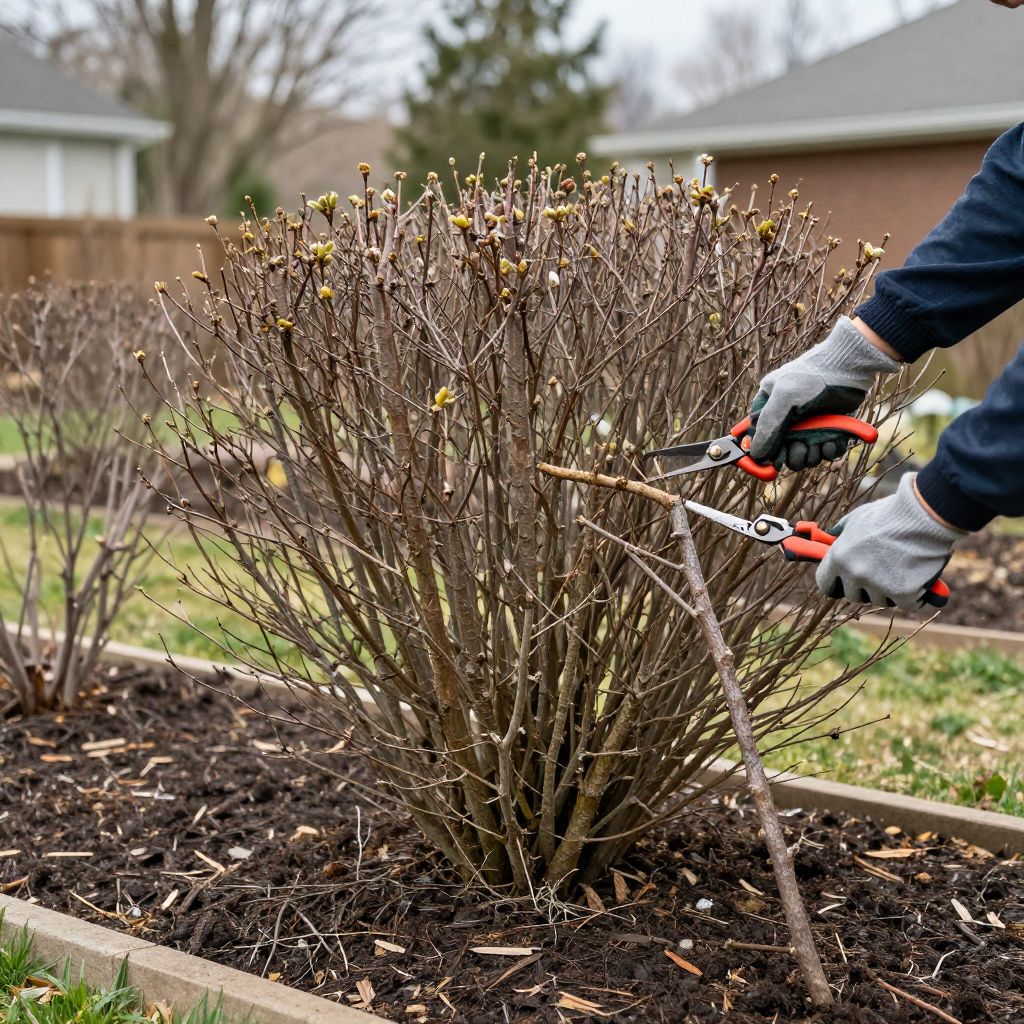
Wondering when to prune burning bush without ruining its shape or stressing the plant? The best timing depends on your goal, but in most cases, pruning is best done in late winter or very early spring before new growth starts. Light shaping can also be done after spring growth, while heavy pruning is best avoided during the hottest part of summer.
Burning bush (Euonymus alatus) is a tough landscape shrub, but it responds best when pruning is timed carefully. A few well-placed cuts can improve shape, reduce overgrowth, and encourage healthier growth without leaving the plant thin or stressed.
When to Prune Burning Bush?
The best time to prune burning bush is late winter to early spring, before buds begin to swell and new growth starts. That timing lets you see the shrub’s structure clearly and reduces stress on the plant. You can also remove dead, damaged, or crossing branches any time of year if needed.
Best Timing for Different Pruning Goals
Late winter to early spring: best for most pruning
This is the safest and most useful window for shaping burning bush. The plant is dormant, so pruning is less likely to trigger weak, rushed growth, and you can easily spot crowded stems.
- Best for size reduction
- Best for thinning old, dense shrubs
- Best for correcting shape after winter damage
After spring growth: light shaping only
If you want to neaten the shrub after it leafs out, do only light trimming. Avoid cutting too hard once the plant is actively growing, because heavy pruning at this stage can leave the shrub looking sparse for the rest of the season.
Any time: remove dead or broken wood
Dead, diseased, or broken branches can be removed whenever you notice them. Make the cut back to healthy wood or to the branch collar, using clean tools.
How Much Should You Prune?
Burning bush tolerates pruning, but it is usually better to prune gradually rather than cut it back severely all at once. A moderate thinning or shaping job is often enough to restore the plant’s appearance and keep it manageable.
- Light pruning: trim tips and stray stems to refine the shape
- Moderate pruning: remove a few older stems at the base to open the shrub
- Hard pruning: cut back much of the shrub only if it is very overgrown and you are prepared for temporary sparseness
If your shrub is extremely large, spread out major renovation pruning over two or three seasons instead of doing everything at once. That usually gives a better-looking result and reduces shock.
How to Prune Burning Bush Step by Step
- Start with dead, damaged, or diseased branches. Remove these first so you can see the healthy framework.
- Thin crowded stems. Cut some of the oldest stems back to the base to improve air flow and light penetration.
- Shorten long, awkward shoots. Make cuts just above a bud or side branch that points in the direction you want new growth to go.
- Step back often. Check the shrub from a distance so you do not overcut one side.
- Finish with small touch-ups. Remove only a little more if needed; it is easier to take off more later than to fix overpruning.
Use the right tools
For most shrubs, sharp hand pruners are enough for small stems, while loppers help with thicker branches. If the shrub is mature and woody, a pruning saw may be useful. Clean blades before and after pruning to reduce the spread of disease.
Common Mistakes to Avoid
- Pruning too late in spring. This can remove developing growth and leave the plant looking uneven.
- Shearing into a tight ball every year. This creates a dense outer shell and weak growth inside.
- Removing too much at once. Severe pruning can lead to a bare, stressed shrub.
- Ignoring the plant’s natural form. Burning bush looks best when it keeps a layered, natural shape rather than a hard geometric outline.
- Using dull or dirty tools. Ragged cuts heal more slowly and can invite problems.
Should You Shear or Thin Burning Bush?
Thinning is usually better than repeated shearing. Shearing makes the outside look neat, but it can leave the interior crowded and shaded. Thinning opens the plant, improves air movement, and helps the shrub stay healthier over time.
If you prefer a formal hedge, light shearing can work, but combine it with occasional thinning cuts so the shrub does not become woody and hollow inside.
What If Your Burning Bush Is Overgrown?
Overgrown burning bush can often be restored, but patience matters. If the shrub has become too tall, too wide, or bare at the base, reduce it gradually over several seasons rather than trying to reshape it in one cut.
Renovation pruning approach
- Remove one-third of the oldest stems at the base in late winter
- Repeat the process the following year
- Use light shaping during the growing season only if needed
This slower method helps the plant keep enough foliage to recover while you improve its structure.
Growing Conditions That Affect Pruning Success
Healthy shrubs recover from pruning more easily, so good growing conditions matter. Burning bush generally performs best in full sun to partial shade and in well-drained soil. Poor drainage, compacted soil, or chronic drought can make the plant weaker and slower to regrow after pruning.
Soil, water, and mulch
Before or after pruning, check whether the shrub is stressed by its site. A 2- to 3-inch layer of mulch can help conserve moisture and moderate soil temperature, but keep mulch a few inches away from the stems.
- Water deeply during dry spells so roots are not stressed
- Avoid soggy soil, which can weaken roots
- Improve drainage if water pools around the base
Pests and Disease Problems to Watch For
Pruning is also a good time to inspect the shrub for trouble. Look for dead twigs, cankers, leaf spots, or unusual dieback. If you see signs of disease, remove affected wood and dispose of it rather than composting it unless you are sure it is safe to do so.
Good spacing, air flow, and thinning cuts can help reduce disease pressure. If the shrub is repeatedly declining, the issue may be more about site conditions than pruning alone.
Can You Prune Burning Bush in Summer or Fall?
Light pruning in summer is fine if you are only removing a stray branch or correcting minor shape issues. Try not to do major pruning in late summer or fall, because that can stimulate tender new growth that may be damaged by cold weather.
Fall is usually the least desirable time for pruning burning bush. Since this shrub is valued for its autumn color, pruning too late can also reduce the seasonal display you are hoping to enjoy.
Quick Pruning Checklist
- Prune in late winter or very early spring for the best results
- Remove dead, damaged, or crossing branches first
- Thin crowded stems instead of shearing repeatedly
- Keep cuts clean and just above a bud or branch junction
- Avoid heavy pruning during hot weather or late fall
Conclusion
If you are asking when to prune burning bush, the best answer is usually late winter to early spring, before new growth begins. Use that window for the main shaping work, then limit summer pruning to small touch-ups. With clean tools, moderate cuts, and a little patience, you can keep the shrub healthy and attractive for years.
For more shrub care ideas, you may also want to read about how to prune shrubs correctly and general landscape shrub care.