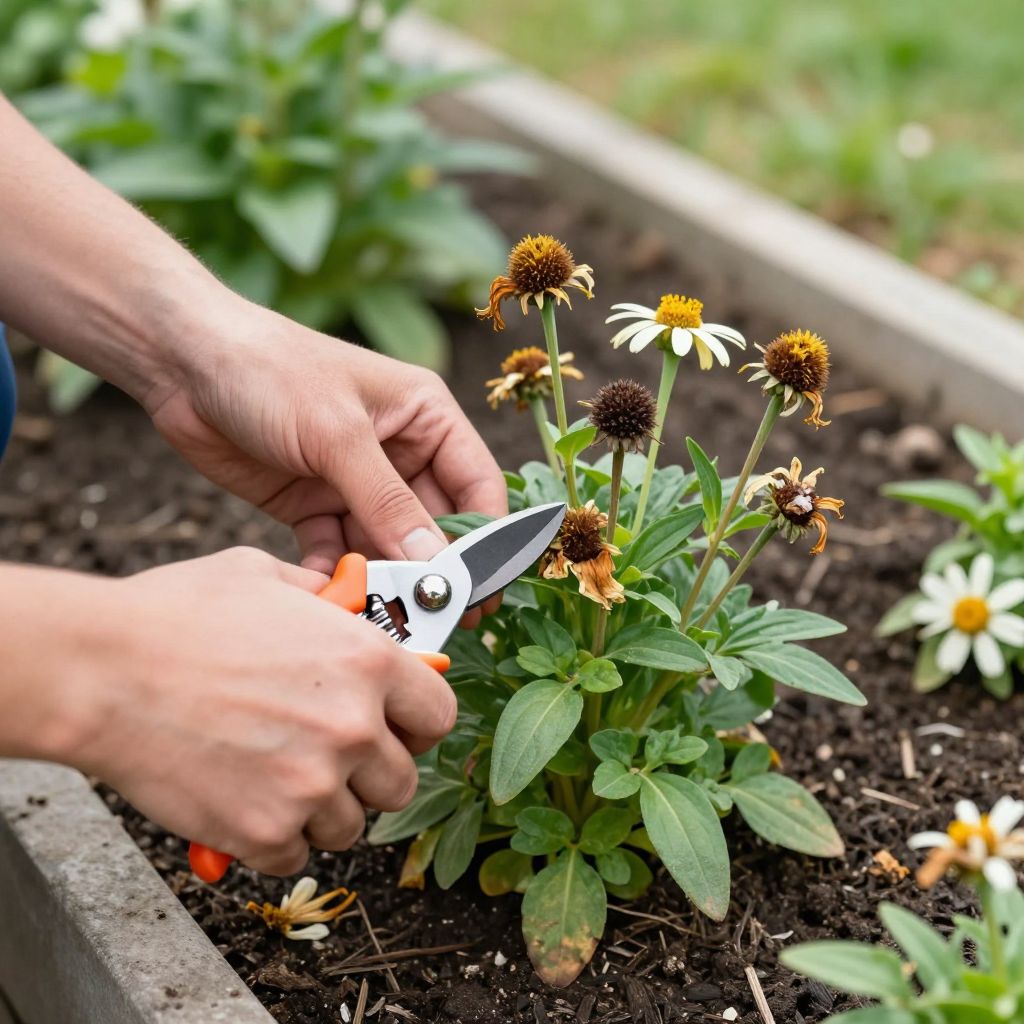
What should you do with dead flowers once they start to fade, brown, or collapse? The short answer is to remove them at the right time, then decide whether the plant should be deadheaded, cut back, composted, or replaced. The best choice depends on whether the flowers are spent on an annual, perennial, bulb, shrub, or houseplant.
Handled well, dead flowers are not a waste problem at all. They are a normal part of plant life, and removing them can improve appearance, reduce disease, and encourage more blooms in many plants.
What to do with dead flowers?
Remove spent blooms by deadheading, trimming, or cutting back the flower stem, depending on the plant. For many ornamentals, this redirects energy away from seed production and toward new growth or repeat flowering. If the plant is finished for the season, you can compost healthy dead flowers or clear them away to prevent pests and disease.
Why dead flowers matter
Dead flowers are more than just untidy. On many plants, they signal that the bloom cycle is ending and seed formation is beginning.
That matters because seed production uses energy. If you remove faded blooms on the right plants, the plant may keep producing flowers longer, look cleaner, and stay healthier.
Benefits of removing spent blooms
- Encourages repeat blooming on many annuals and perennials.
- Improves appearance by keeping borders, containers, and beds neat.
- Reduces disease risk when decaying petals would otherwise stay damp on the plant.
- Limits unwanted self-seeding in plants that spread aggressively by seed.
- Helps you monitor plant health because you can spot pests, mildew, or stem damage early.
How to remove dead flowers correctly
The right method depends on where the flower sits on the plant. Some blooms snap off cleanly, while others should be cut back to a leaf node or side shoot.
- Wait until the bloom is fully spent. Petals may be wilted, brown, or dropping.
- Follow the stem downward to find the next healthy leaf, bud, or branching point.
- Use clean pruners, scissors, or your fingers for soft stems.
- Make the cut just above a leaf node or side bud when the plant flowers from a stem.
- Remove fallen petals and debris from the soil surface if they are soggy or diseased.
For most plants, a clean cut is better than tearing. Tearing can bruise stems and leave ragged tissue that dries slowly or invites infection.
Tools that help
- Bypass pruners for thicker stems
- Small scissors for delicate annuals and indoor plants
- Gloves for thorny roses or rough-stemmed plants
- A bucket or trug for collecting spent blooms
Always clean your tools if you are moving between plants, especially if you have seen black spot, powdery mildew, botrytis, or other disease problems.
Which plants should you deadhead?
Not every plant benefits from deadheading. Some flower again more freely, while others should be left alone because their seed heads are ornamental or important for wildlife.
Plants that often benefit from deadheading
- Many annual flowers, such as petunias, marigolds, zinnias, and cosmos
- Repeat-blooming perennials, such as coreopsis, salvia, and some geraniums
- Roses that rebloom through the season
- Container plants that need a tidy appearance
Plants you may want to leave alone
- Plants grown for decorative seed heads, such as coneflowers, sedum, and ornamental grasses
- Bulbs that need their foliage to die back naturally after flowering
- Plants you want to self-seed for next year
- Species that are best left for birds or beneficial insects later in the season
If you are unsure, look up the specific plant before cutting. Some flowers respond very well to deadheading, while others bloom only once and then move into seed production or dormancy.
Deadheading by plant type
Annuals
Annual flowers often bloom longer when spent blossoms are removed regularly. Pinch or snip off faded flowers before they form seed pods.
For plants with clusters of blooms, remove the individual spent flowers first. If the whole cluster is finished, cut the stem back to a healthy set of leaves.
Perennials
Perennials vary widely. Some rebloom after deadheading, while others only need a tidy-up after the main flush of flowers.
On clump-forming perennials, cut the flower stalk back to the base or to a strong side shoot if one is present. If the plant has many spent stems, a light shearing may be appropriate, but avoid cutting into weak or woody growth unless the plant tolerates it well.
Roses
For repeat-blooming roses, remove faded blooms to encourage the next flush. Cut back to the first strong leaf with five leaflets or to an outward-facing bud when possible.
For once-blooming roses, deadheading is mostly cosmetic. You can still remove spent flowers if you want a cleaner look, but it will not usually trigger more blooms that season.
Bulbs
After bulbs bloom, remove the spent flower head but leave the foliage in place. The leaves are feeding the bulb for next year’s bloom.
Do not cut green bulb leaves too early. Wait until they yellow and collapse naturally unless there is a disease problem.
Houseplants and indoor flowering plants
Indoor flowering plants such as African violets, orchids, kalanchoe, and begonias often benefit from removing faded flowers. This keeps the plant tidy and may encourage more buds.
Use small scissors or pinch off spent blooms carefully so you do not damage tender stems or leaves. Indoors, also remove fallen petals from the potting mix to reduce mold and fungus gnats.
What to do with dead flowers after removing them
Once you have removed the spent blooms, decide whether the material is healthy enough to reuse in the garden or should be discarded.
Compost healthy dead flowers
Healthy, disease-free petals and stems can usually go into the compost pile. Chop larger stems into smaller pieces so they break down faster.
Mix them with dry brown material such as leaves, shredded paper, or straw. This helps balance moisture and prevents the compost from turning slimy.
Throw away diseased material
If the flowers show signs of mildew, leaf spot, rot, or insect infestation, do not compost them unless your compost system gets hot enough to destroy pathogens. In many home gardens, it is safer to bag and discard diseased plant debris.
This is especially important for roses, dahlias, and other plants that commonly suffer from fungal issues in damp weather.
Use spent blooms as mulch only with caution
Small amounts of healthy flower debris can be left on the soil surface in an informal garden, but thick layers of petals can mat down and hold moisture. That can attract slugs, encourage mold, or make the bed look messy.
In containers, it is usually better to remove dead flowers entirely rather than let them sit on the potting mix.
When you should cut back the whole plant
Sometimes dead flowers are a sign that the entire flowering stem or plant is finished. In that case, deadheading is not enough.
Cutting back may be the better option when:
- The plant has finished its main bloom cycle.
- Stems are leggy, woody, or collapsing.
- Many flowers have faded at once.
- You want to refresh container plants or tidy a border.
For some perennials, a light trim after flowering can encourage fresh foliage or a second bloom. For others, especially those that bloom on old wood or need seed heads for winter interest, a heavy cutback can reduce next year’s display.
Common mistakes to avoid
Dead flowers are easy to handle, but a few common mistakes can weaken plants or reduce future blooms.
- Cutting too low and removing healthy buds or foliage.
- Deadheading too late after seeds have already formed.
- Removing bulb foliage too early before the leaves yellow.
- Leaving diseased debris around the base of the plant.
- Shearing every plant the same way instead of matching the method to the species.
If a plant is not reblooming after deadheading, check whether it needs more sunlight, better drainage, or less competition from nearby plants. Deadheading helps, but it cannot fix poor growing conditions.
Seasonal care after flowers fade
Spring and early summer
This is the main deadheading season for many annuals and early perennials. Keep an eye on fast-growing plants in beds and containers, because they can go from fresh to spent quickly in warm weather.
Midsummer
Heat can shorten bloom life and dry out petals fast. Water stress often makes flowers fade sooner, so check soil moisture before assuming the plant is finished.
Mulch around outdoor plants to moderate soil temperature and reduce moisture loss, but keep mulch a few inches away from crowns and stems.
Late summer and fall
Some gardeners stop deadheading late in the season so plants can form seed for birds or prepare for dormancy. Others continue tidying container plants and bedding flowers until frost.
For perennials, leaving some seed heads can add winter structure and feed wildlife. For annuals, you can usually remove the entire plant once it is frost-damaged or declining.
Troubleshooting: when dead flowers keep appearing
If blooms fade very quickly, the problem may be environmental rather than just normal aging.
- Too much heat: flowers may wilt and brown fast in full afternoon sun.
- Too little water: stressed plants often drop petals early.
- Poor drainage: roots may struggle, leading to weak blooms and rot.
- Too much shade: some plants bloom poorly and produce fewer healthy flowers.
- Pests or disease: aphids, thrips, botrytis, and mildew can damage blooms before they open fully.
If the plant is healthy but the flowers still fade quickly, consider whether the weather is simply shortening the bloom period. Some flowers are naturally brief, especially during hot spells or heavy rain.
A simple routine for dealing with dead flowers
A regular routine keeps the job easy and prevents the garden from getting away from you.
- Walk the garden every few days during peak bloom.
- Snip off faded flowers before they set seed.
- Collect healthy debris for compost.
- Discard diseased material separately.
- Check the plant for pests, yellowing leaves, or stem damage while you work.
This habit takes only a few minutes, but it can make annual beds, containers, and repeat-blooming perennials look better for much longer.
Conclusion
What to do with dead flowers comes down to one simple question: should the plant be encouraged to bloom again, or is it time to tidy, cut back, or clear it away? Deadhead healthy blooms on plants that rebloom, compost clean debris, and discard diseased material. If you want, take a quick walk through your garden today and remove the first round of spent flowers before they form seed.
For more practical plant care, you may also want to read about how to deadhead flowers correctly and when to cut back perennials after blooming.