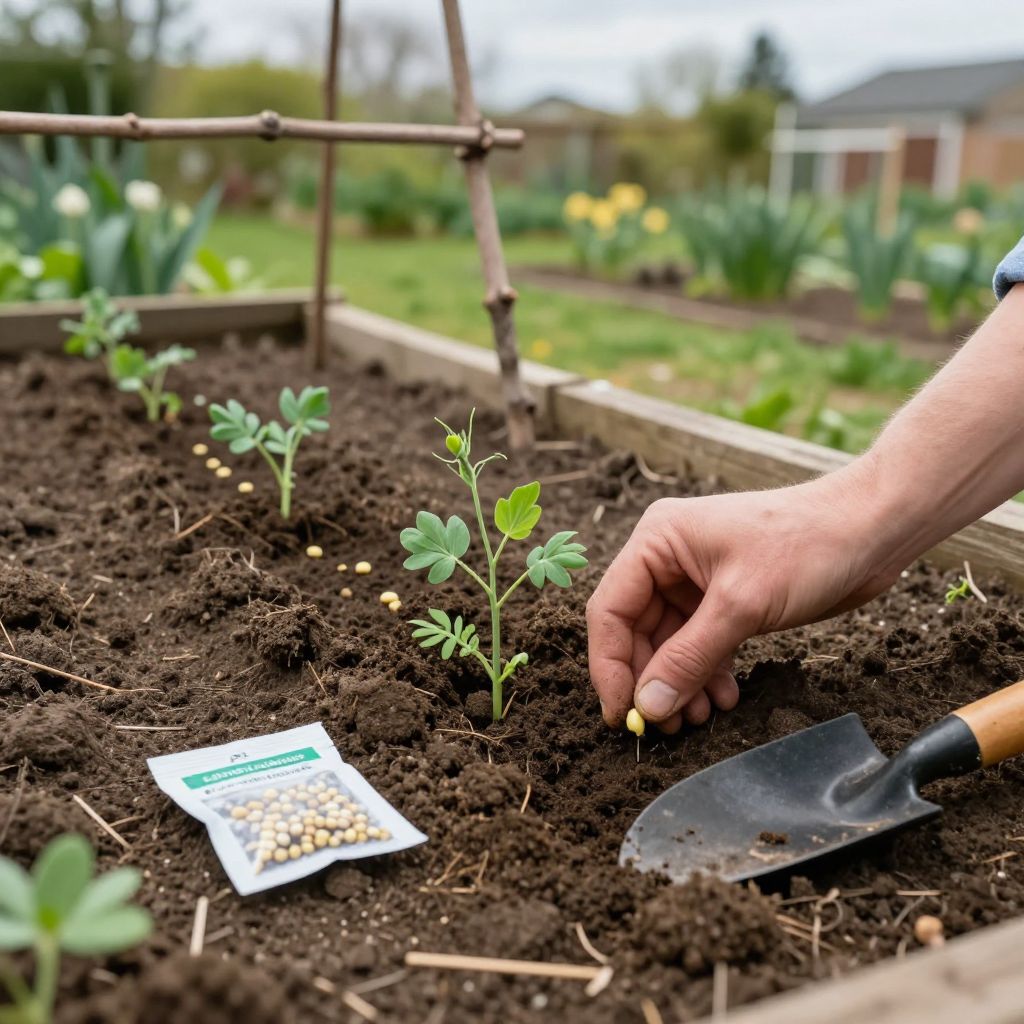
When should you plant sweet peas? The best time depends on your climate, but in most gardens sweet peas are sown in cool weather so they can establish before heat arrives. In mild areas, that usually means autumn or late winter; in colder regions, early spring is safer.
Sweet peas reward early planning with strong roots, sturdy vines, and more flowers. If you sow them at the right time and give them cool conditions, support, and regular picking, they can become one of the most generous annual climbers in the garden.
When To Plant Sweet Peas?
Plant sweet peas when the weather is cool but the soil is workable. In mild-winter climates, sow seeds in autumn for earlier blooms; in colder climates, sow in late winter to early spring after hard frosts begin to ease. The goal is to let plants establish before warm weather slows flowering.
Best planting time by climate
Mild climates
If your winters are gentle and the ground does not stay frozen, autumn sowing often gives the best results. Plants can make roots through winter and flower earlier in spring.
In very mild coastal or Mediterranean-type climates, you may also sow in late winter. The key is to avoid periods of intense heat, which can weaken seedlings and shorten the flowering season.
Cold climates
Where winters are hard and soil freezes for long periods, wait until late winter or early spring. Sow as soon as the soil can be worked and the worst frosts are passing.
Sweet peas tolerate cool conditions well, but young seedlings can struggle in prolonged freezing weather. If you start them indoors, move them out carefully once conditions are suitable.
Transplanting versus direct sowing
Sweet peas can be direct-sown outdoors or started in modules, deep pots, or root trainers. Many gardeners prefer modules because the plants dislike root disturbance and often establish better when moved while still small.
Direct sowing works well if your soil drains well and you can protect emerging seedlings from birds and slugs.
How to plant sweet peas successfully
Choose the right spot
Sweet peas flower best in full sun, though they appreciate some light afternoon shade in hotter regions. They need a sheltered position with support for climbing, such as canes, trellis, netting, or a fence.
A windy site can damage stems and dry out plants quickly, so a spot with some protection is ideal.
Prepare the soil
Sweet peas prefer fertile, moisture-retentive soil that drains well. Before planting, dig in compost or well-rotted organic matter to improve structure and help the soil hold even moisture.
Avoid very rich, heavy feeding with fresh manure, which can encourage leafy growth at the expense of flowers. If your soil is heavy clay, raise the bed slightly or improve drainage before sowing.
Sow seeds properly
- Water the planting area lightly before sowing if the soil is dry.
- Sow seeds about 1 to 2 inches deep, following the packet guidance if it differs.
- Space seeds a few inches apart, then thin or transplant as needed.
- Cover gently and firm the soil lightly.
- Keep the soil evenly moist until germination.
For module sowing, use deep pots or root trainers because sweet peas make long roots early on. This helps reduce root disturbance and produces stronger plants.
Starting sweet peas indoors or outdoors
Direct sowing outdoors
Direct sowing is simple and often successful, especially in cool spring weather. It works best where slugs are manageable and the soil warms gradually rather than suddenly.
Watch for birds pulling up seedlings. A light mesh cover or twiggy mulch can help protect young plants until they are established.
Starting indoors
If you want an earlier start, sow seeds in deep pots or modules in a cool, bright place. A greenhouse, cold frame, or unheated porch can work well if temperatures stay cool enough to prevent weak, leggy growth.
Move seedlings outside gradually once they have several true leaves and the weather is suitable. Harden them off over 7 to 10 days to reduce transplant shock.
Growing conditions sweet peas need
Sunlight and temperature
Sweet peas are cool-season plants. They grow best with bright light and moderate temperatures, and they often stop flowering strongly once summer heat builds.
In warm areas, choose the coolest part of the garden and keep the soil from drying out. In cooler areas, maximize sun exposure to encourage strong growth and flowering.
Watering
Keep soil consistently moist, especially while seedlings are establishing and during flowering. Irregular watering can lead to weak growth, fewer blooms, or buds dropping early.
Water at the base of the plant rather than overhead when possible. This helps reduce disease pressure and keeps flowers cleaner.
Feeding
Sweet peas generally do better with moderate feeding than with heavy fertilizer use. Compost at planting time is often enough to get started.
If growth is poor, a balanced feed can help, but avoid high-nitrogen fertilizers that push leafy growth and reduce flowers.
Support, training, and pruning
Give vines support early
Sweet peas climb by tendrils and need support soon after planting. Install supports before or at planting time so you do not disturb roots later.
Good options include pea netting, trellis panels, wigwams of canes, or string tied to a frame.
Pinch for bushier growth
When young plants are about 4 to 6 inches tall and have several sets of leaves, pinch out the growing tip if you want more side shoots. This can create fuller plants and more flowering stems.
Do this only when the plant is healthy and actively growing.
Deadhead and pick often
Regular picking is one of the best ways to keep sweet peas flowering. Harvest blooms before they set seed, and remove any faded flowers promptly.
The more you cut, the more the plant is encouraged to produce new flowers.
Common mistakes to avoid
- Planting too late in warm weather, which shortens the flowering season.
- Using shallow containers, which restrict the long roots of sweet peas.
- Overfeeding with nitrogen, which gives lots of leaves but fewer flowers.
- Letting soil dry out completely, especially during establishment.
- Waiting too long to add support, which can lead to tangled, weak stems.
- Starting them too warm indoors, which often produces soft, leggy seedlings.
Pests and diseases to watch for
Slugs and snails
These are common problems for young sweet pea seedlings. Protect plants with barriers, hand-picking, or other garden-appropriate controls, especially in damp weather.
Aphids
Aphids may cluster on tender tips and flower stems. A strong spray of water can dislodge them, and encouraging beneficial insects can help keep populations down.
Powdery mildew and rot
In late season or dry, stressed conditions, sweet peas may develop powdery mildew. Good spacing, airflow, and consistent watering help reduce the risk.
If plants wilt or collapse, check drainage. Sweet peas dislike waterlogged soil, and poor drainage can lead to root problems.
Harvesting sweet pea flowers
Pick flowers when several blooms on a stem are open and the rest are still in bud. This gives you the best balance of fragrance, vase life, and continued flowering on the plant.
Cut stems in the cool part of the day and remove any foliage that would sit below the water line indoors. Keep picking regularly to extend the display.
Quick timing guide
- Mild winters: sow in autumn or late winter.
- Cold winters: sow in late winter to early spring.
- Indoor starts: sow in deep pots a few weeks before outdoor planting time.
- Best planting weather: cool, moist, and workable soil.
Final thoughts
If you are wondering when to plant sweet peas, aim for cool weather and avoid the heat of late spring and summer. Match your timing to your local climate, prepare the soil well, and give the plants support early. With the right start, sweet peas can flower beautifully for weeks.
For more help with spring sowing and climbers, you may also find related gardening reading useful, especially on growing sweet peas from seed and choosing climbing annuals for your garden.