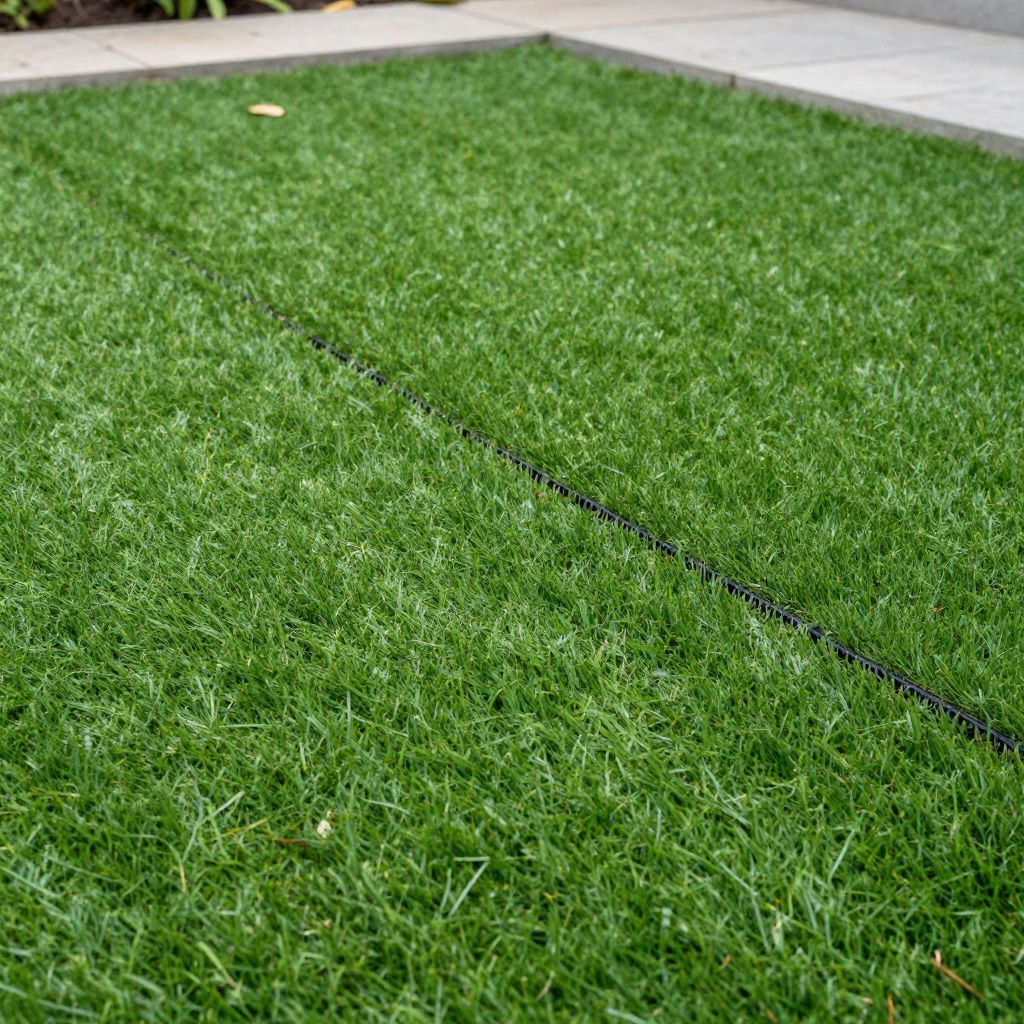
You’re probably asking, “What is fake grass called?” if you’ve seen the clean, lawn-like surface used in yards, patios, and play areas and want the proper gardening term. The most common name is artificial turf, though people also call it synthetic grass, fake turf, or artificial lawn.
In gardening and landscaping, the term usually refers to a manufactured surface designed to look like grass without needing mowing, watering, or fertilizing. If you’re choosing it for a yard or outdoor project, it helps to know the different names, how it’s installed, and what maintenance it still needs.
What is fake grass called?
Fake grass is most commonly called artificial turf or synthetic grass. In home landscaping, you may also hear artificial lawn, fake turf, or simply lawn turf. The exact term depends on whether it’s being used for gardens, sports surfaces, pet areas, or decorative landscaping.
Understanding the different names
Not every “fake grass” product is the same. The name often hints at how it’s made and where it’s used.
Common terms you’ll see
- Artificial turf — the broadest and most common term.
- Synthetic grass — emphasizes that the blades are man-made fibers.
- Fake grass — informal, everyday language.
- Artificial lawn — often used for residential landscaping.
- Astroturf — a brand name that is sometimes used generically, though it technically refers to a specific product line.
What the product is made of
Most artificial turf is made from plastic fibers such as polyethylene or polypropylene attached to a backing. The backing is usually installed over a prepared base of compacted aggregate, and some systems include infill to help the blades stand upright and improve feel underfoot.
Important: “Fake grass” is not living grass. It does not grow, spread, recover from wear, or improve soil the way real turf does.
How artificial turf differs from real grass
If you’re deciding between natural lawn and synthetic turf, the biggest difference is maintenance. Real grass needs sunlight, water, soil health, mowing, and seasonal care. Artificial turf avoids most of that, but it still needs cleaning, brushing, and occasional repairs.
Benefits of artificial turf
- Stays green year-round in many climates.
- Reduces mowing and edging.
- Can work in spots where real grass struggles, such as heavy shade or high foot traffic.
- May reduce water use compared with a traditional lawn.
Limitations to keep in mind
- It can heat up in direct sun.
- It does not support soil life or absorb rainfall the way a planted lawn can.
- Weeds can still appear around edges or through drainage openings if the base is poor.
- It can wear down, flatten, or stain over time.
How to choose the right type for your garden
Artificial turf comes in many styles, and the best choice depends on where you plan to use it. A decorative front garden has different needs than a dog run, side yard, or children’s play area.
What to look for before buying
- Blade height: Shorter piles are often easier to clean; taller piles can look softer and more natural.
- Color mix: Blends of green and brown usually look more realistic than a single bright green shade.
- Backing and drainage: Good drainage matters if the area gets rain, irrigation overspray, or pet use.
- UV resistance: Helps slow fading in sunny locations.
- Intended use: Some products are made for light decorative use, while others are designed for heavier traffic.
Match the turf to the site
If your area gets full sun, choose a product rated for UV exposure and expect more heat buildup. If the area stays damp, drainage becomes more important than appearance alone. For shaded gardens, artificial turf can be useful where moss or thin grass would otherwise struggle, but you still need to manage moisture and debris.
How fake grass is installed in a garden
Good installation matters as much as the turf itself. A poorly prepared base can lead to wrinkles, puddling, odor, weeds at the edges, and an uneven surface.
Basic installation steps
- Remove existing vegetation and any old turf, roots, stones, or debris.
- Grade the area so water drains away from buildings and low spots.
- Lay a stable base of compacted aggregate or similar material, depending on the product system.
- Add a weed barrier if recommended by the manufacturer or installer.
- Roll out the turf and let it settle before cutting.
- Trim and seam carefully so the joins are neat and secure.
- Secure the edges with appropriate fasteners.
- Brush and finish the surface, then add infill if your turf type requires it.
Common installation mistakes
- Skipping drainage preparation.
- Installing over soft, uneven soil without a firm base.
- Leaving gaps at edges where weeds can enter.
- Using the wrong infill or too much infill.
- Failing to compact the base properly.
Tip: If you are not confident about grading or drainage, that is the part worth getting right first. A beautiful surface on a poor base usually becomes a maintenance problem later.
Maintenance: what fake grass still needs
Artificial turf is lower maintenance than living grass, but it is not maintenance-free. Regular care keeps it looking tidy and helps it last longer.
Routine care tasks
- Remove leaves and debris with a leaf blower, soft broom, or plastic rake.
- Rinse dusty areas during dry weather if needed.
- Brush flattened fibers to keep the surface looking upright.
- Pick up pet waste promptly and clean the area as recommended for your product.
- Check seams and edges for lifting or wear.
What to avoid
- Using metal rakes or sharp tools that can damage the fibers.
- Applying harsh chemicals unless the manufacturer says they are safe.
- Letting organic debris build up, since it can trap moisture and encourage weeds or algae.
- Dragging heavy furniture across the surface without protection.
Can fake grass have weeds or drainage problems?
Yes. Artificial turf can still develop weed issues, especially around edges, seams, or where the base is thin. Drainage problems are also possible if the ground underneath was not prepared well or if the site naturally holds water.
How to troubleshoot weeds
- Pull small weeds as soon as you see them.
- Check for gaps along borders and seal them properly.
- Remove accumulated soil, mulch, or leaf litter that allows seeds to germinate.
- Improve the base and edging if weeds keep returning from below.
How to troubleshoot puddling
- Look for low spots where water collects after rain.
- Check whether the base has compacted unevenly over time.
- Clear blocked drainage holes or channels if your system has them.
- In persistent problem areas, the surface may need lifting and regrading.
Is artificial turf right for your garden?
Artificial turf makes sense in some landscapes and not in others. It can be useful for small urban yards, high-traffic paths, shaded corners, rooftop spaces, or areas where water use is a concern. It may be less suitable if you want a habitat-friendly planting area or a surface that cools naturally and supports soil life.
Good uses for fake grass
- Small yards where mowing is difficult.
- Play areas needing a consistent surface.
- Pet zones with easy cleanup.
- Decorative spaces where a neat look matters more than ecological planting.
When real planting may be better
- If you want pollinator-friendly habitat.
- If the area can support healthy turf or groundcovers with proper soil care.
- If you prefer a living landscape that changes with the seasons.
Final practical advice for homeowners
If you were wondering what fake grass is called, the best answer is artificial turf or synthetic grass. Before you buy, think about drainage, sun exposure, foot traffic, and how much upkeep you’re willing to do after installation.
If you’re planning a project, start by measuring the space, checking drainage, and comparing turf types for your site conditions. For more garden planning ideas, you may also want to read about choosing low-maintenance landscaping plants and improving garden drainage.