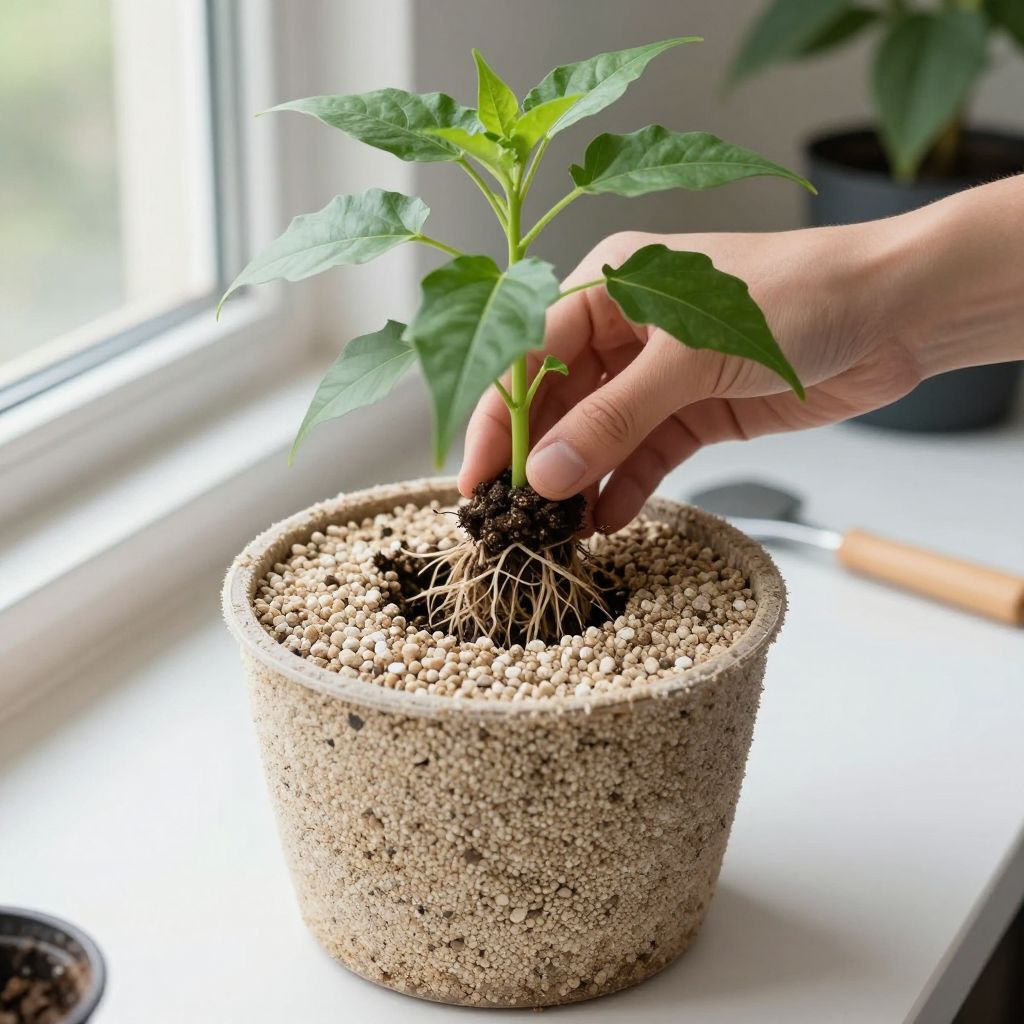
What is Pon for plants, and is it better than regular potting mix? If you’ve seen “Pon” in houseplant shops or online and wondered what it actually does, you’re not alone. Pon is a mineral-based growing medium used for indoor plants, especially aroids and other container plants that like airy roots.
It can help reduce overwatering problems, improve drainage, and support semi-hydroponic growing, but it is not a universal replacement for soil. The best results come from matching Pon to the plant, the pot, and your watering habits.
What is Pon for plants?
Pon is a soilless, inorganic plant substrate made from mineral ingredients such as pumice, lava rock, zeolite, and sometimes slow-release nutrients. It holds moisture while staying airy, so roots get both water and oxygen. Gardeners use it mainly for houseplants in pots, not for most in-ground garden beds.
What Pon is made of and how it works
Unlike potting soil, Pon contains no peat, bark, compost, or other organic material. That means it does not break down quickly, compact as much, or behave like traditional soil.
Why plant roots like it
- Air spaces stay open, which helps reduce root rot.
- Minerals hold some moisture, so roots do not dry out as fast as in pure bark or perlite mixes.
- It drains well, making it useful for plants that hate soggy conditions.
- It is reusable in some cases if cleaned and reused carefully.
Pon is often used in semi-hydroponic setups, where the plant sits in a pot with drainage or a reservoir system and receives water and nutrients through the medium. That said, not every plant needs this approach.
Which plants grow well in Pon?
Pon is most useful for indoor plants that prefer evenly moist but airy roots. It is especially popular for many aroids and tropical foliage plants, though success depends on your care routine and the plant’s current root health.
Plants that often adapt well
- Monstera
- Philodendron
- Epipremnum aureum (pothos)
- Anthurium
- Syngonium
- Hoya, in some cases
- Peace lily
- Some orchids, depending on the setup
Plants that may be less suitable
- Succulents that prefer very fast drying
- Cacti
- Plants that need rich organic soil and steady fertility outdoors
- Very fine-rooted plants that struggle during transition
Important: a plant’s success in Pon depends less on the medium itself and more on how you water, fertilize, and manage light and temperature.
How to use Pon for plants
You can grow in Pon as a full medium or blend it into a mix. The right method depends on whether you are moving a houseplant from soil, starting a new plant, or trying semi-hydroponics for the first time.
Step-by-step: moving a houseplant from soil to Pon
- Choose a pot with drainage holes. A clear pot can help you monitor moisture and root growth.
- Remove the plant from its old pot and gently shake away loose soil.
- Rinse roots carefully to remove as much old soil as possible.
- Inspect roots and trim away any black, mushy, or rotten sections with clean scissors.
- Place a layer of Pon in the pot, set the plant in position, and fill around the roots.
- Water thoroughly so the medium settles around the roots.
- Keep the plant in bright, indirect light while it adjusts.
After repotting, avoid overhandling the plant. A transition period is normal, and some older soil roots may die back while new roots adapt to the mineral medium.
Using Pon from the start
If you are starting a new plant, Pon is easier to manage because roots can adapt from the beginning. Fill the pot, plant at the same depth it was growing before, and water evenly after planting.
Watering Pon correctly
Watering is the main skill to learn with Pon. It should stay lightly moist, but not waterlogged. Because Pon does not contain organic matter, it behaves differently from potting soil and can dry more evenly.
Good watering habits
- Water when the top layer begins to dry, or when the pot feels noticeably lighter.
- Use enough water to fully moisten the medium, then let excess drain away unless you are using a reservoir system.
- In semi-hydro setups, maintain a small reservoir only if the plant is established and responding well.
- Reduce watering in cooler, darker months when growth slows.
Do not assume Pon means “water less often forever.” In warm rooms with bright light, active plants may still need regular watering. In cool conditions, they may need much less.
Light, temperature, and feeding
Pon does not replace the need for proper light. Most houseplants grown in Pon still need bright, indirect light to grow well and use water efficiently.
Light guidance
- Bright, indirect light is usually the safest choice for foliage plants.
- Lower light slows growth and reduces water use, which can increase the risk of staying too wet.
- Very intense direct sun may overheat pots or dry the medium too quickly, especially near windows.
Feeding in Pon
Because Pon contains little or no usable nutrition on its own, you usually need to supply plant food. Use a balanced fertilizer suited to houseplants, but follow the label and adjust for plant size, light, and season.
Tip: in mineral media, nutrients can build up over time. Periodically flush the pot with plain water to help prevent salt accumulation, especially if you fertilize regularly.
Common problems with Pon and how to fix them
1. The plant wilts after repotting
This often happens during transition from soil to Pon. The plant may be adjusting to a different root environment, or some roots may have been damaged during cleaning.
- Keep the plant warm and in bright, indirect light.
- Do not overwater while it is recovering.
- Trim only clearly rotten roots, not healthy ones.
2. The medium stays too wet
If Pon stays soggy, the pot may be too large, the light too low, or the plant too small for the container.
- Move to a smaller pot if the root ball is tiny.
- Increase light if possible.
- Allow more dry-down between waterings.
3. The plant dries out too fast
This can happen in warm rooms, sunny windows, or small pots. Plants with active growth may also use water quickly.
- Check moisture more often.
- Use a slightly larger pot if roots are filling the container.
- Consider a reservoir system only if the plant is established and healthy.
4. White crust appears on the surface
That is usually mineral or fertilizer residue. It can build up if you feed heavily or never flush the medium.
- Rinse the medium thoroughly with clean water.
- Reduce fertilizer strength or frequency.
- Flush regularly to prevent buildup.
Is Pon better than soil?
Pon is not automatically better than soil. It is simply a different growing medium with clear advantages for certain plants and growers. If you tend to overwater, want a cleaner indoor setup, or like semi-hydroponics, Pon may be a good fit.
Traditional potting mix is often easier for beginners, especially for plants that prefer a rich organic root zone or for outdoor containers where rain, temperature swings, and seasonal changes are harder to control. The best medium is the one that matches the plant and your routine.
Maintenance and repotting tips
Pon can last a long time because it does not break down like peat-based soil. Still, pots need periodic attention.
- Check roots every so often for rot, especially after major watering changes.
- Top up the medium if it settles or washes out.
- Rinse the pot and medium if you notice salt buildup.
- Repot only when the root system needs more space or the plant has outgrown the container.
Tools that help
- A pot with drainage holes
- Clean scissors or pruners
- A rinse bucket or sink
- Houseplant fertilizer
- Optional: a moisture meter or clear inner pot for monitoring
Final takeaways
What is Pon for plants? It is a mineral growing medium that supports airy roots, steady moisture, and cleaner indoor plant care. It works best when you match it to the right plant and manage water, light, and feeding carefully.
If you want to try it, start with one healthy houseplant in a small pot, watch how quickly it dries, and adjust your watering based on your home’s light and temperature. For more plant care guidance, you may also want to read about houseplant repotting basics and how to choose the right potting mix.