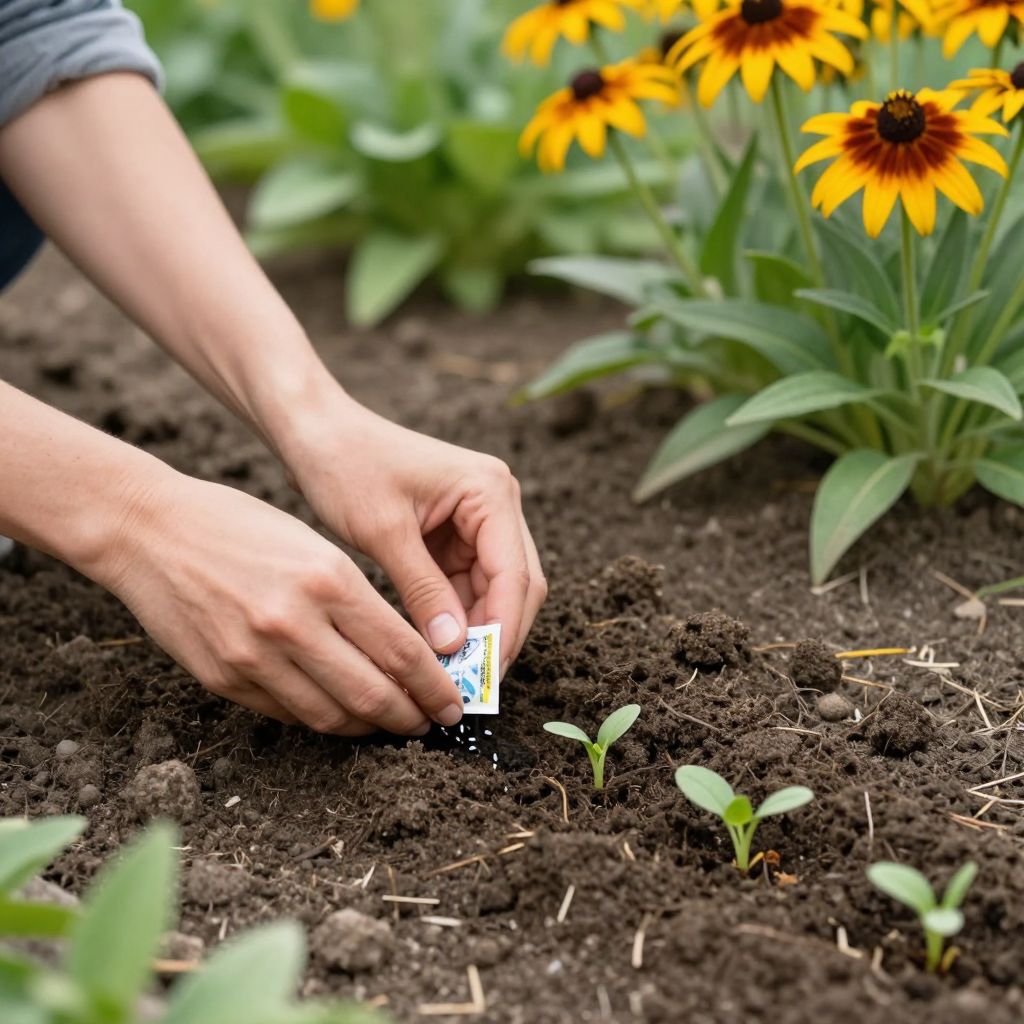
Wondering when to plant black eyed Susan seeds so they sprout well and bloom strongly? Timing matters because these cheerful wildflower-like perennials need the right combination of warmth, moisture, and light to germinate. Sow too early in cold soil and seeds may sit idle or rot; sow too late and young plants may struggle to establish before heat or frost.
The best planting time depends on your climate and whether you want to sow indoors, outdoors in spring, or outdoors in fall. With the right timing and a few simple steps, you can grow sturdy Black-eyed Susans that fill borders, pollinator beds, and naturalized spaces with bright color.
When To Plant Black Eyed Susan Seeds?
Plant Black-eyed Susan seeds in early spring after the last frost if you want to sow outdoors, or in late fall if your climate supports natural cold stratification. You can also start seeds indoors 6 to 8 weeks before your last frost date. The best timing is when soil is workable, temperatures are warming, and seedlings will have time to establish before extreme heat or winter.
Understanding the Best Planting Window
Black-eyed Susan commonly refers to Rudbeckia hirta, a short-lived perennial or biennial often grown as an annual in some gardens. Seed timing affects germination speed, flowering, and winter survival, so it helps to match sowing to your local season.
Spring sowing outdoors
For most gardeners, spring is the simplest answer to when to plant black eyed Susan seeds. Wait until the danger of hard frost has passed and the soil has warmed enough to work easily.
- Sow after your last expected frost date.
- Choose a period when daytime temperatures are consistently mild to warm.
- Keep the seedbed evenly moist until germination.
Spring sowing works well because seedlings get a full growing season to build roots before winter.
Fall sowing outdoors
In many regions, fall planting can be very effective. Seeds sown in autumn may sit through winter and germinate naturally when conditions improve in spring.
- Sow after temperatures cool but before the ground freezes hard.
- Use a prepared bed with good drainage.
- Expect germination to happen later, not immediately.
Fall sowing is especially useful if your climate provides a natural cold period that helps break seed dormancy.
Starting seeds indoors
If you want an earlier start, sow indoors about 6 to 8 weeks before your average last frost date. This is helpful in short-season climates or if you want stronger transplants for borders and containers.
- Use clean seed-starting trays or small pots.
- Provide bright light from a sunny window or grow light.
- Harden off seedlings before moving them outside.
Indoor sowing gives you more control, but it also requires careful transplanting because young Black-eyed Susans dislike root disturbance if left too long in small cells.
How To Plant Black Eyed Susan Seeds
Black-eyed Susan seeds are usually easy to sow, but they germinate best when they are close to the soil surface and kept evenly moist. A light covering is usually enough.
- Choose a sunny site with well-drained soil.
- Loosen the top few inches of soil and remove weeds.
- Mix in a small amount of compost if the soil is poor or compacted.
- Scatter seeds or place them thinly in rows or small drifts.
- Press seeds gently into the soil and cover lightly, if needed.
- Water with a fine spray so the seeds do not wash away.
For most conditions, sow seeds about 1/8 inch deep or just barely covered. Some gardeners simply press them into the surface and dust lightly with soil or vermiculite.
Direct sowing vs. transplanting
Direct sowing is often the easiest method because Black-eyed Susan develops a strong taproot and can resent being moved too late. If you start indoors, transplant while seedlings are still small.
- Direct sowing: best for low-maintenance beds and naturalized areas.
- Indoor starting: best when you need an earlier bloom or a shorter growing season workaround.
Growing Conditions Black-Eyed Susans Need
Good timing helps, but the plants also need the right site. Black-eyed Susans perform best in full sun and average, well-drained soil. They tolerate a range of soils, but they flower more reliably when they are not sitting in wet ground.
Sunlight
Give them at least 6 hours of direct sun daily. In partial shade, they may grow taller and produce fewer flowers.
Soil and drainage
These plants prefer soil that drains well after rain. Heavy clay can be improved with compost and careful bed preparation, but avoid creating a soggy planting area.
- Best: loamy, moderately fertile soil
- Acceptable: average garden soil with good drainage
- Problematic: waterlogged or compacted soil
Compost and fertility
A modest amount of compost is usually enough. Too much rich fertilizer can produce lush leaves with fewer blooms and weaker stems.
Tip: If your soil is already fertile, skip heavy feeding and focus on sunlight, spacing, and drainage.
Germination Time and Seedling Care
Black-eyed Susan seeds usually germinate in about 1 to 3 weeks, though cooler soil can slow them down. Patience is important, especially with direct sowing outdoors.
Keep moisture steady
The seedbed should stay lightly moist, not soaked. Drying out during germination is a common reason seeds fail.
- Water gently with a mist or fine rose on the watering can.
- Use a light mulch only after seedlings are established, not right over fresh seed.
- Avoid crusting the soil surface by overwatering.
Thin seedlings if needed
If seedlings come up too close together, thin them so each plant has room to grow. Crowded plants compete for light, water, and airflow.
Space plants according to the mature size of your variety, but a general guideline is to leave enough room for mature clumps to spread without touching too tightly.
Common Mistakes To Avoid
Most planting problems come from timing or site conditions rather than the seed itself. Avoid these common errors for better results.
- Planting too early in cold, wet soil — seeds may rot or germinate slowly.
- Burying seeds too deeply — they need light contact with the surface, not deep planting.
- Overwatering — soggy soil encourages rot and weak growth.
- Too much shade — plants become leggy and bloom less.
- Overfertilizing — excess nitrogen can reduce flowering.
How To Care for Black-Eyed Susans After Planting
Once seedlings are established, care is fairly simple. The goal is to support steady growth without pushing the plants too hard.
Watering
Water deeply when the top inch or two of soil dries out, especially during the first growing season. Established plants are more drought-tolerant than young seedlings, but they still bloom best with regular moisture during dry spells.
Mulching
A thin layer of mulch can help conserve moisture and suppress weeds. Keep mulch a little away from the stems so the crown stays dry.
Deadheading and pruning
Remove spent flowers if you want a tidier look and possibly more blooms. Leaving some seed heads can also feed birds and allow self-seeding in informal plantings.
- Deadhead to encourage a longer flowering period.
- Cut back tired stems in late season if the plant looks messy.
- Leave some seed heads if you want natural reseeding.
Pests, Diseases, and Troubleshooting
Black-eyed Susans are generally resilient, but problems can appear in crowded, shady, or overly wet conditions.
Common issues
- Powdery mildew: often appears in humid weather or poor airflow.
- Leaf spot: more likely when foliage stays wet for long periods.
- Aphids: may cluster on tender growth.
- Slugs and snails: can damage young seedlings in damp gardens.
Practical fixes
- Space plants well for better air circulation.
- Water at the base instead of overhead when possible.
- Remove badly affected leaves to limit spread.
- Keep the area weed-free so airflow improves around the plants.
If seedlings disappear overnight, check for slugs, birds, or soil crusting. If mature plants flop, they may be stretched from too much shade or too much nitrogen.
Propagating and Re-Seeding
Black-eyed Susans often self-seed if you leave a few flower heads in place. This can be helpful in cottage gardens and naturalized borders, but it may also create extra seedlings where you do not want them.
You can also collect seed heads once they dry and store the seeds in a cool, dry place for later sowing. Make sure the seed heads are fully mature before collecting.
Best Uses in the Garden
Black-eyed Susans are versatile and work well in pollinator gardens, mixed borders, meadow-style plantings, and low-maintenance landscapes. Their bright flowers pair nicely with grasses, coneflowers, and other sun-loving perennials.
They are especially useful where you want long bloom, wildlife value, and a natural look without complicated care.
Quick Seasonal Guide
- Late winter to early spring: start seeds indoors if you want transplants.
- After last frost: direct sow outdoors in warming soil.
- Late fall: sow outdoors for natural cold exposure in suitable climates.
- First growing season: keep moisture even and control weeds.
- Summer: deadhead for repeat bloom and monitor for mildew in humid weather.
Conclusion
If you are deciding when to plant black eyed Susan seeds, aim for spring after frost, fall in climates that support natural cold stratification, or indoors 6 to 8 weeks before your last frost date. Match the planting time to your local weather, keep seeds near the surface, and give them sun and drainage for the best start. If you want more seasonal planting guidance, you may also find related advice on starting flower seeds indoors and choosing the best sunny perennials for borders.