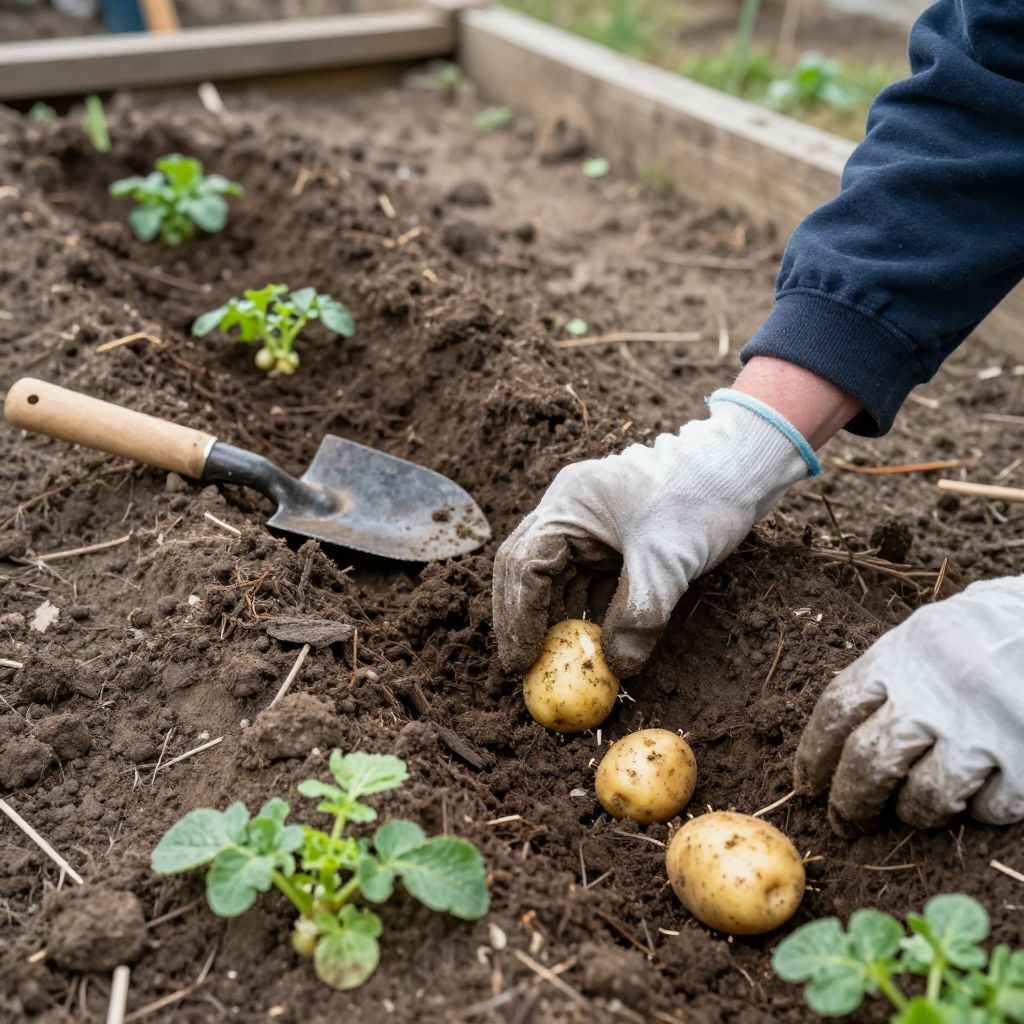
When is the best time to plant potatoes? The short answer is: plant them in early spring, once the soil is workable and has warmed a little, but before hot weather arrives. In mild climates, that may be late winter or very early spring; in colder areas, it can be a few weeks after the last expected frost.
The right timing matters because potatoes grow best in cool conditions and can struggle in cold, waterlogged soil or in heat. Your local frost dates, soil temperature, and the type of potato you are growing all affect the best planting window.
When is the best time to plant potatoes?
Plant potatoes in early spring when the soil is no longer frozen, drains well, and is roughly cool to moderately warm. A good target is when soil temperatures are consistently above about 45°F to 50°F, and before summer heat becomes intense. In very mild climates, fall planting may also be possible.
How to choose the right planting time for your climate
There is no single calendar date that works everywhere. Potatoes respond more to soil conditions and frost risk than to the month on the calendar.
Cool climates
If you get late frosts, wait until the soil is workable and the worst cold has passed. Potatoes can tolerate a light frost once emerged, but newly planted seed potatoes can rot in cold, wet ground.
Mild and temperate climates
In many temperate regions, the main planting season is early spring. You want enough time for the plants to grow and form tubers before summer heat slows them down.
Warm climates
In hot regions, potatoes are often planted in late winter or very early spring. In some places, a second crop can be planted in late summer for a fall harvest, provided temperatures cool down before tuber formation finishes.
Use local frost dates as a guide
- Check your average last spring frost date.
- Count back a few weeks for cooler regions or heavy soils.
- Plant when the ground is dry enough to crumble rather than smear.
- Avoid planting into cold, soggy beds.
What soil conditions do potatoes need?
Potatoes grow best in loose, well-drained soil that is rich in organic matter. Heavy clay can work if improved, but compacted or waterlogged soil often leads to poor tuber development and disease problems.
- Soil texture: Loose, friable soil helps tubers expand without becoming misshapen.
- Drainage: Good drainage is essential to prevent rot.
- Organic matter: Compost improves structure and moisture balance.
- Sunlight: Full sun gives the strongest growth and best yields.
Work in compost before planting, but avoid overdoing nitrogen-rich materials. Too much nitrogen can produce lush foliage with fewer tubers.
Should you add manure?
Well-rotted manure can be useful if it is fully composted and mixed in ahead of time. Fresh manure is not a good idea for potatoes because it can encourage disease and uneven growth.
How to plant seed potatoes the right way
Use certified seed potatoes rather than grocery-store potatoes, which may be treated to prevent sprouting or may carry disease. Seed potatoes are small tubers or cut pieces with at least one or two healthy “eyes.”
- Choose a sunny bed with loose, well-drained soil.
- Cut large seed potatoes into pieces if needed, making sure each piece has at least one eye.
- Let cut pieces dry and form a callus for a day or two if the skin is fresh-cut.
- Plant pieces about 3 to 4 inches deep.
- Space them roughly 10 to 15 inches apart in rows.
- Leave enough room between rows for hilling and access, often about 2 to 3 feet.
After planting, water lightly if the soil is dry, but do not soak the bed. Excess moisture right after planting can cause rot.
Should you chit potatoes before planting?
Chitting means pre-sprouting seed potatoes in a cool, bright place before planting. It can give you a head start, especially in short-season climates, but it is optional.
When chitting helps
- You have a short growing season.
- You want earlier harvests of new potatoes.
- Your seed potatoes are slow to sprout on their own.
How to do it
Place seed potatoes in a cool, bright spot out of direct sun for a few weeks. You want short, sturdy sprouts, not long, pale ones. If sprouts become weak and stretched, the light is too low or the area is too warm.
How to care for potatoes after planting
Once shoots emerge, the main jobs are watering, hilling, and watching for pests and disease. Potatoes are not especially difficult, but they do need steady care at the right stages.
Hilling
As plants grow, mound soil or compost around the stems to keep developing tubers covered and protected from light. Exposed tubers turn green and should not be eaten.
- Hill when plants are about 6 to 8 inches tall.
- Repeat as needed to keep tubers covered.
- Use loose soil or compost, not heavy clods.
Watering
Potatoes need even moisture, especially when plants are actively growing and when tubers are forming. Irregular watering can cause cracking, hollow growth, or reduced yields.
Water deeply when the top few inches of soil dry out, but avoid keeping the bed constantly wet. Mulch can help hold moisture and reduce temperature swings.
Sunlight and temperature
Potatoes prefer full sun and cool to moderate temperatures. Growth slows in prolonged heat, and tuber formation may suffer if the weather stays hot for long periods.
Common mistakes to avoid
Many potato problems start at planting time. Avoiding a few common errors can make a big difference.
- Planting too early: Cold, wet soil can rot seed potatoes.
- Planting too late: Hot weather can reduce tuber set and quality.
- Using grocery-store potatoes: They may be diseased or treated to suppress sprouting.
- Overfertilizing with nitrogen: This encourages leafy growth over tubers.
- Skipping hilling: Exposed tubers turn green and are not safe to eat.
- Overwatering: Saturated soil invites rot and fungal issues.
Pests and diseases to watch for
Potatoes can be affected by insects and fungal or bacterial diseases, especially in damp conditions or when crops are planted too close together.
Common pests
- Colorado potato beetles
- Aphids
- Wireworms in some soils
Common diseases
- Early blight
- Late blight
- Scab in dry, alkaline soils
- Rot in poorly drained beds
To reduce problems, rotate potatoes to a different part of the garden each year, keep foliage dry when possible, and remove infected plant material promptly. Good airflow and healthy soil go a long way.
When are potatoes ready to harvest?
Harvest timing depends on whether you want “new potatoes” or mature storage potatoes. New potatoes are usually dug when plants are still flowering or shortly after, while fully mature potatoes are left longer for thicker skins.
Signs potatoes are ready
- Plants begin to yellow and die back for mature harvest.
- Skin feels firm and does not rub off easily.
- Tubers have reached a usable size for your purpose.
For storage potatoes, wait until the tops die back, then allow the tubers to sit in the soil for a short period if weather is dry. Dig carefully to avoid cuts and bruises.
Can you plant potatoes in containers?
Yes. Containers are a good option if your soil is heavy, your space is limited, or you want easier harvesting. The same timing rules apply: plant in cool weather, after the risk of hard frost has eased in your area.
- Use a large container with drainage holes.
- Fill with a loose potting mix blended with compost.
- Start with a shallow layer of mix, then add more as stems grow.
- Keep moisture even, but never soggy.
Container-grown potatoes can dry out faster than garden beds, so check them regularly in warm weather.
Quick planting checklist
- Wait for workable soil and reduced frost risk.
- Choose certified seed potatoes.
- Plant in full sun and well-drained soil.
- Space plants so you can hill them later.
- Water consistently without waterlogging.
- Watch for pests, disease, and exposed tubers.
Conclusion
The best time to plant potatoes is usually early spring, once your soil is workable and cool rather than cold and soggy. If you match planting time to your local frost dates and soil conditions, you give your crop the best chance for strong growth and a healthy harvest. Start by checking your soil and preparing a loose, sunny bed.
If you want to plan the rest of your vegetable garden around potato timing, you may also find it helpful to read about crop rotation basics and how to prepare garden soil for spring planting.