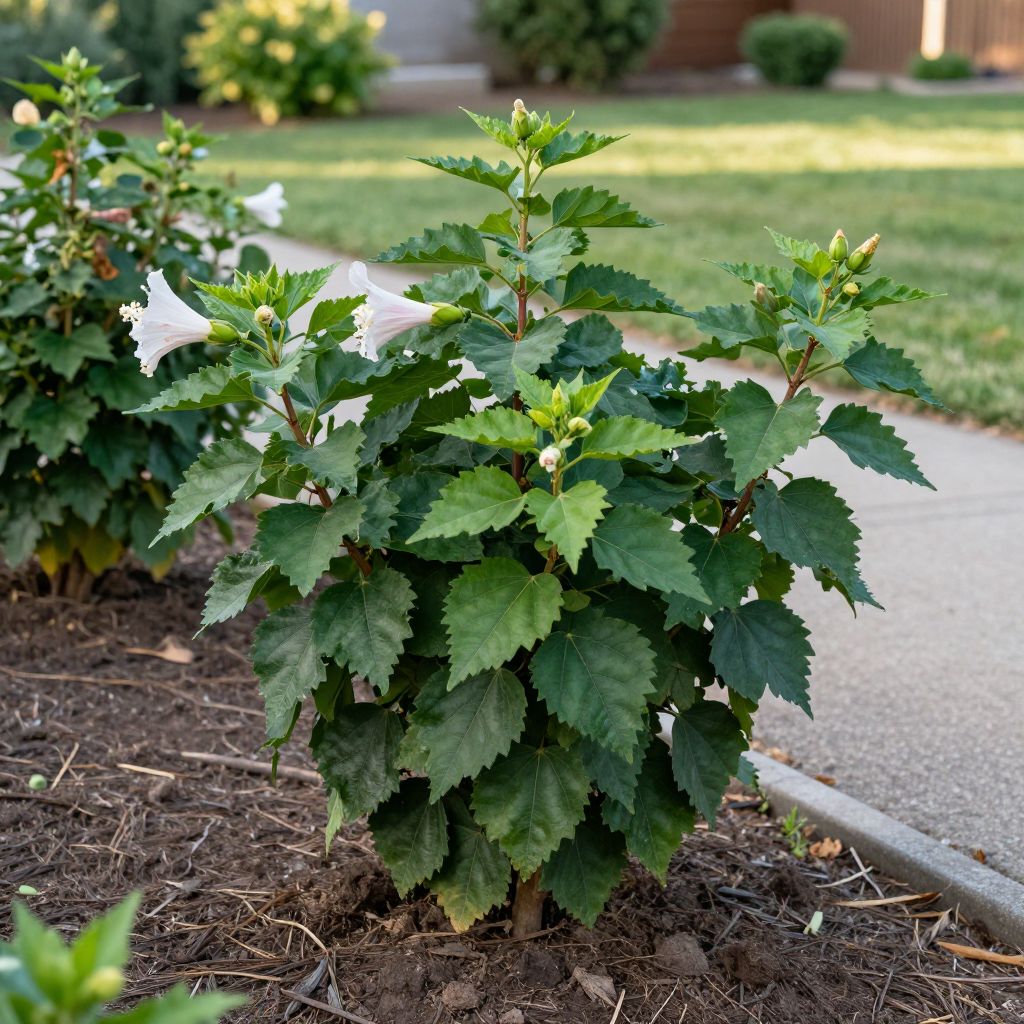
Are hibiscus annuals or perennials? The answer depends on the type of hibiscus you’re growing and your climate. Some hibiscus are tropical shrubs that behave as perennials only in warm areas, while others are hardy perennials that die back in winter and return from the roots.
If you know which hibiscus you have, you can give it the right care, protect it from cold, and enjoy bigger blooms for longer. The key is matching the plant to your growing zone, sunlight, and winter conditions.
Are hibiscus annuals or perennials?
Hibiscus can be either annual-looking plants or true perennials, depending on the species and your climate. Tropical hibiscus (Hibiscus rosa-sinensis) is perennial in frost-free regions but grown as an annual or overwintered indoors in colder climates. Hardy hibiscus (Hibiscus moscheutos and related types) is a perennial that dies back in winter and regrows in spring.
Types of hibiscus and how they behave
Tropical hibiscus
Tropical hibiscus is the glossy-leaved, large-flowered type often sold in pots for patios and warm landscapes. It loves heat and cannot tolerate frost, so in cold climates it is usually treated as a seasonal container plant unless you bring it indoors.
In warm, frost-free areas, tropical hibiscus can grow as a long-lived shrub. In cooler regions, it may survive for years only if you overwinter it successfully indoors or in a greenhouse.
Hardy hibiscus
Hardy hibiscus is a true perennial for many temperate gardens. It dies back to the ground in autumn, then sends up fresh growth in late spring when the soil warms.
These plants are valued for their huge flowers and strong summer performance. They generally need full sun, moist soil, and enough room to spread.
Rose of Sharon
Rose of Sharon (Hibiscus syriacus) is another perennial hibiscus relative, and it is often grown as a shrub. It is more cold-tolerant than tropical hibiscus and usually returns reliably year after year in suitable climates.
It blooms later in the season than many other hibiscus types and can be a useful flowering hedge or specimen shrub.
How to tell which hibiscus you have
If you’re unsure whether your hibiscus is annual or perennial, look at the leaves, growth habit, and how it was sold. Tropical hibiscus usually has glossy, evergreen leaves and is often grown in containers. Hardy hibiscus tends to have larger, sometimes matte leaves and may die back completely in winter.
- Evergreen leaves in warm weather: often tropical hibiscus.
- Dies back to the ground in winter: usually hardy hibiscus.
- Sold as a patio plant in a decorative pot: often tropical hibiscus.
- Large, dinner-plate flowers on a garden perennial tag: often hardy hibiscus.
If the plant tag is still available, check the botanical name. That is the most reliable clue for deciding whether it should be treated as an annual, perennial, or indoor overwintering plant.
Growing conditions hibiscus needs to thrive
Sunlight
Most hibiscus bloom best in full sun, meaning at least 6 hours of direct light each day. In very hot climates, afternoon shade can help prevent stress, especially for tropical hibiscus in containers.
Soil and drainage
Hibiscus prefers rich, well-drained soil that holds some moisture without staying soggy. Add compost to improve soil structure, especially if your garden soil is sandy or heavy clay.
Drainage matters because hibiscus roots can struggle in waterlogged soil. If your site puddles after rain, consider raised beds, mounds, or container growing.
Moisture
Hibiscus likes steady moisture, especially during active growth and flowering. Dry soil can cause bud drop, wilting, and fewer blooms. At the same time, constantly wet soil can lead to root problems.
A good rule is to water deeply when the top inch or two of soil begins to dry, then let excess water drain away. Adjust this based on heat, wind, rainfall, and container size.
Planting hibiscus in the garden or containers
In-ground planting
For perennial hibiscus, choose a spot with sun and enough space for mature spread. Dig in compost before planting, then water thoroughly to settle the roots.
- Choose a sunny site with good drainage.
- Work compost into the topsoil.
- Dig a hole as deep as the root ball and slightly wider.
- Set the plant at the same depth it was growing before.
- Backfill, firm gently, and water well.
Avoid planting too deeply. Hibiscus crowns and stems can rot if buried below their original soil line.
Container growing
Tropical hibiscus often does well in pots, which makes it easier to move indoors when temperatures drop. Use a container with drainage holes and a quality potting mix that drains well but still holds moisture.
Container plants dry out faster than garden plants, so check them more often in hot weather. Pot size should match the root ball, with room to grow but not so much extra soil that it stays wet too long.
Seasonal care: what to expect through the year
Spring
Perennial hibiscus usually emerges late, so don’t assume it is dead if it stays dormant after other plants wake up. Wait for warm weather and check for new shoots at the base before cutting anything back.
Apply compost or a balanced slow-release fertilizer if your soil is poor, and remove dead stems only after you see new growth starting.
Summer
This is the main bloom season for most hibiscus. Keep plants evenly watered, especially during heat waves, and deadhead spent flowers if you want a tidier look.
Some flower drop is normal, but repeated bud drop often points to heat stress, dryness, sudden changes in light, or pests.
Fall and winter
Hardy hibiscus can be cut back after frost once the foliage dies down. Leave a few inches of stem if you want a marker for where the plant is located.
Tropical hibiscus must be protected from cold. Bring potted plants indoors before nights become chilly, and place them in bright light with reduced watering.
How to overwinter hibiscus
Overwintering tropical hibiscus indoors
If you want a tropical hibiscus to live beyond one season in a cold climate, move it inside before frost. A sunny window, bright conservatory, or grow light can help it survive winter.
- Inspect for insects before bringing it indoors.
- Reduce watering, but do not let the root ball dry out completely.
- Expect some leaf drop as the plant adjusts.
- Keep it away from cold drafts and heating vents.
Indoors, hibiscus often grows more slowly and may bloom less. That is normal. Focus on keeping it healthy rather than forcing heavy flowering in low-light conditions.
Overwintering hardy hibiscus outdoors
Hardy hibiscus usually needs little special protection in suitable climates, though a layer of mulch can help moderate soil temperature and protect roots. In colder regions, mulch after the ground cools, not too early while the plant is still actively growing.
Do not cut back hardy hibiscus too soon in autumn if you want the plant to continue storing energy in its roots. Wait until frost has finished the top growth.
Pruning and maintenance
Pruning depends on the type of hibiscus. Tropical hibiscus can be lightly shaped to encourage branching and a fuller plant. Hardy hibiscus is usually cut back in late fall or early spring, depending on your preference and climate.
Simple pruning tips
- Remove dead, damaged, or crossing stems.
- Pinch young tropical hibiscus to encourage bushiness.
- Cut hardy hibiscus back after dormancy or before new spring growth.
- Use clean, sharp pruners to reduce disease spread.
Avoid heavy pruning at the wrong time. Cutting too much off a stressed tropical hibiscus can reduce flowering, and cutting hardy hibiscus too early can remove winter protection for the crown.
Common hibiscus problems and fixes
Yellow leaves
Yellowing can come from overwatering, poor drainage, low light, or nutrient imbalance. Check the soil first. If it stays wet for days, improve drainage or reduce watering frequency.
Bud drop
Bud drop is common when conditions change suddenly. Moving a plant, inconsistent moisture, hot dry winds, or low indoor light can all trigger it.
Keep conditions as steady as possible and avoid letting the plant dry out. For indoor tropical hibiscus, place it in the brightest spot you have.
Pests
Watch for aphids, whiteflies, spider mites, and scale, especially on tropical hibiscus. These pests can weaken the plant and reduce bloom quality.
- Rinse leaves with water to knock off small pests.
- Inspect leaf undersides regularly.
- Remove heavily infested growth if needed.
- Improve air circulation around crowded plants.
Diseases
Root rot is the most serious issue when soil stays too wet. Fungal leaf spots can also appear in humid, crowded conditions. Good spacing, drainage, and clean tools help prevent many problems.
Propagation basics
Many hibiscus plants can be propagated from cuttings, especially tropical types. Softwood or semi-ripe cuttings are often used, depending on the plant and season.
For home gardeners, propagation is most successful when you start with a healthy, pest-free plant and provide warmth, humidity, and bright indirect light. If you are new to propagation, begin with one or two cuttings rather than many.
Best uses in the landscape
Hibiscus can serve as a focal point, flowering hedge, patio plant, or mixed-border shrub. Hardy hibiscus works well where you want a dramatic summer display in the ground, while tropical hibiscus is excellent for containers and warm-season color.
Choose the plant based on how you want to use it. If you want a low-maintenance perennial in the landscape, hardy hibiscus is often the better fit. If you want a movable showpiece, tropical hibiscus may be the right choice.
Conclusion
So, are hibiscus annuals or perennials? They can be either, depending on the species and your climate. Identify your plant first, then match it to the right winter care, sunlight, and watering routine. If you’re unsure, check the plant tag or botanical name before the next growing season begins.
For more practical plant-care guidance, you may also want to read about container plant care and how to overwinter tender perennials.