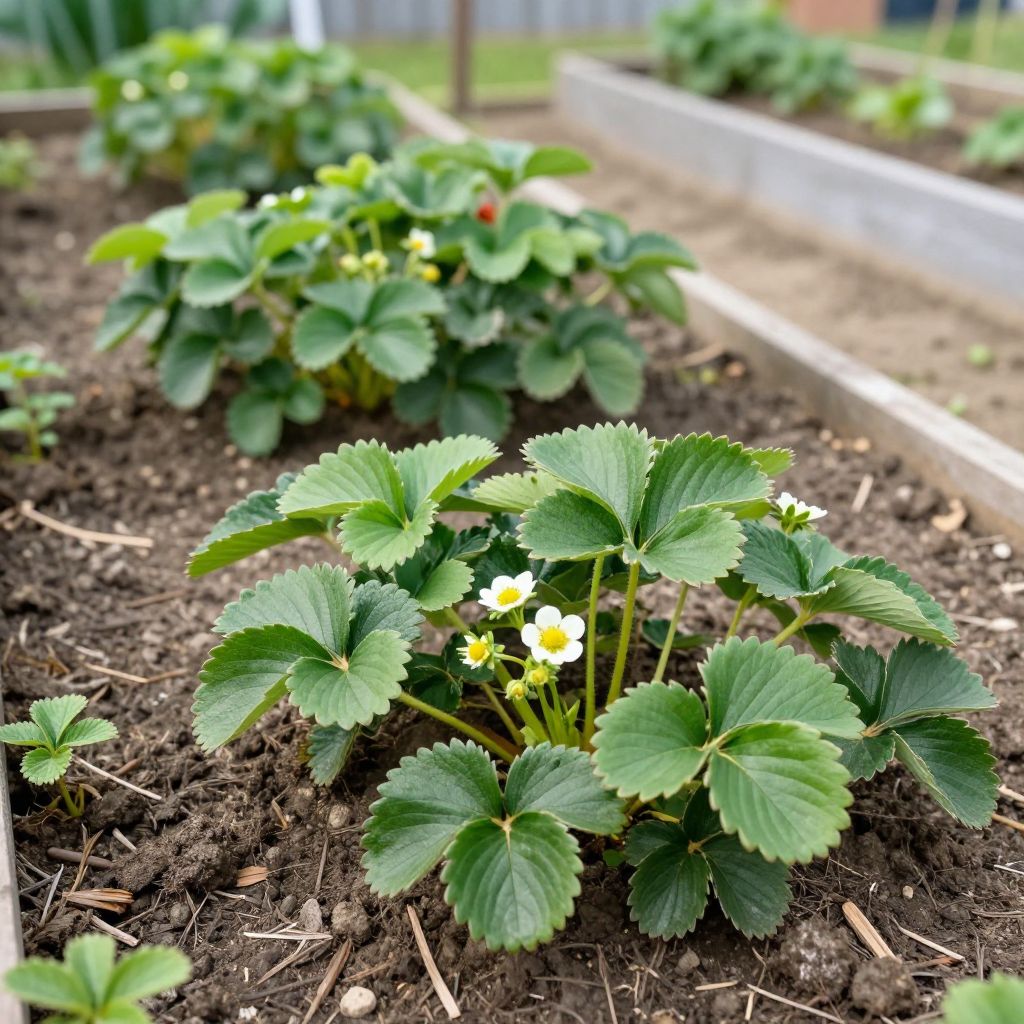
Do strawberry plants come back every year? In many gardens, yes—but it depends on the type of strawberry, your climate, and how well you care for the plants. Strawberries are perennial plants, which means the crowns can survive winter and regrow in spring when conditions are right.
That said, not every strawberry patch performs the same way from year to year. Some plants are more productive in their first few seasons, and older beds can thin out if they are crowded, stressed, or diseased. Good maintenance makes a big difference.
Do strawberry plants come back every year?
Yes, strawberry plants are perennials and can come back for several years if they survive winter and stay healthy. In cold climates, the crowns often go dormant and regrow in spring. In warm climates, they may keep growing longer, but productivity usually drops as plants age and beds become crowded.
What determines whether strawberries survive winter?
Strawberries return reliably when the plants are suited to your climate and protected from extreme winter stress. The biggest factors are winter lows, snow cover or mulch protection, soil drainage, and whether the crowns stay healthy through the growing season.
Cold climate vs. mild climate
- Cold regions: Plants go dormant and need winter protection, especially where temperatures drop sharply or winds are drying.
- Milder regions: Plants may stay semi-active longer, but heat and drought can shorten their lifespan if not managed well.
- Wet winters: Poor drainage can cause crown rot even if temperatures are not severe.
What the plant actually survives on
The strawberry crown is the key growing point. Leaves may die back in winter, but a healthy crown can send up new leaves and flower stems in spring. If the crown rots, freezes badly, or is buried too deeply, the plant may not return.
Types of strawberries and how they behave
Not all strawberries act the same way in the garden. Knowing the type helps you understand how long the plants may keep producing and how much maintenance they need.
June-bearing strawberries
These produce one main crop in a short season. They often give the heaviest harvest in their second year, then gradually decline if not renovated or replaced.
Everbearing strawberries
Everbearing types produce smaller flushes through the season rather than one big crop. They can come back yearly, but they still need renewal and good care to stay productive.
Day-neutral strawberries
Day-neutral strawberries can fruit repeatedly during the growing season when temperatures are moderate. They are useful for home gardeners who want a longer harvest, but they still need winter survival and regular thinning or replacement over time.
How to help strawberry plants return year after year
If you want your strawberry bed to last, focus on root health, spacing, and protection. Strawberries are not difficult, but they do best when you keep the bed open, clean, and well-drained.
- Plant in full sun. Strawberries need plenty of light for strong crowns and good fruiting. Aim for at least 6 to 8 hours of sun where possible.
- Use well-drained soil. Raised beds or mounded rows help if your garden stays wet after rain.
- Keep crowns at soil level. Planting too deep can rot the crown; planting too shallow can dry out roots.
- Mulch before winter. In colder areas, straw or similar loose mulch helps protect crowns from freeze-thaw damage.
- Remove old, damaged leaves. Clean up declining foliage to reduce disease pressure.
- Thin runners if the bed gets crowded. Overcrowding lowers airflow and reduces fruit size.
Soil, compost, and drainage basics
Strawberries prefer fertile soil that drains well but still holds some moisture. Heavy clay or soggy beds are common reasons plants fail to return. If your soil is poor, improve it before planting rather than trying to fix it later.
What to aim for
- Loose, crumbly soil that roots can spread through easily
- Plenty of organic matter, such as finished compost
- No standing water after rain
- Moderately acidic to neutral conditions are often suitable, depending on your local soil
Work compost into the top layer of soil before planting, but avoid overfeeding with fresh manure or very rich amendments that can push leafy growth at the expense of fruit. Good drainage matters more than heavy fertilizing.
Watering and feeding for long-lived plants
Strawberries need steady moisture, especially while establishing roots, flowering, and setting fruit. At the same time, constantly wet soil can damage the crown. The goal is even moisture, not saturation.
Watering tips
- Water deeply when the top layer of soil begins to dry.
- Use mulch to reduce evaporation and keep berries cleaner.
- Water at the base of the plant when possible to help limit leaf disease.
- Adjust more often in hot, windy weather and less often during cool, rainy periods.
Feeding should be moderate and timed to plant growth. If plants are leafy but not fruiting well, too much nitrogen may be part of the problem. Compost and a balanced soil approach are usually safer than heavy feeding.
Pruning, runner control, and renovation
One reason strawberry plants stop coming back strongly is that beds become crowded and tired. Renovation helps keep older plantings productive, especially with June-bearing strawberries.
What to remove
- Dead or diseased leaves
- Excess runners if you want larger fruit and better airflow
- Old, weak plants that no longer produce well
Why runners matter
Runners are new plantlets that root and spread the patch. They are useful for propagation, but too many can create a dense mat that competes for water and nutrients. If you want bigger berries, keep only the runners you need for replacement plants.
Renovating an older bed
After harvest, some gardeners thin older crowns, remove weak growth, and refresh mulch or compost. This is especially helpful when the bed has become thick and fruit size has dropped. If a patch is mostly weak plants or disease-prone, replanting may be the better choice.
How long do strawberry plants live?
Strawberry plants can survive for several years, but many home gardeners find that productivity is best in the first few seasons. After that, yields often decline as crowns age and disease pressure builds. A well-managed bed may stay useful longer than a neglected one.
When to replace plants
Consider replacing a patch if you notice any of the following:
- Small berries and fewer flowers
- Thin, weak crowns
- Heavy disease problems
- Very crowded growth with poor airflow
- Plants that fail to regrow strongly after winter
Many gardeners keep a rotation going by rooting healthy runners and replacing older plants every few years. That keeps the bed vigorous without starting from scratch each season.
Common problems that stop strawberries from returning
If your strawberries did not come back, the cause is often a growing condition issue rather than bad luck. Check the bed carefully before replanting.
Winter injury
Cold damage can kill crowns, especially if there was little snow cover or no mulch in a harsh winter. You may see dead, brown crowns with no new growth in spring.
Crown rot and root problems
Wet soil, poor drainage, or planting too deeply can rot the crown. Once the growing point is damaged, the plant usually will not recover.
Diseases
Leaf spots, fruit rots, and soil-borne diseases can weaken plants over time. Remove badly affected plants and avoid replanting strawberries in the same spot too soon if disease has been a recurring issue.
Pests
Slugs, birds, and certain insects can damage fruit and foliage, but severe plant decline is more often linked to root, crown, or weather stress. Still, healthy plants are more likely to survive and rebound.
Harvesting without weakening the plant
Picking berries regularly does not harm the plant. In fact, harvesting ripe fruit encourages you to monitor plant health and remove overripe berries before they attract pests or rot.
- Pick fruit when fully colored and fragrant.
- Handle berries gently to avoid bruising.
- Remove damaged fruit promptly.
- Keep the bed clean so fallen berries do not invite pests.
After the main crop, continue watering as needed so the plants can rebuild strength for the next season. Healthy post-harvest growth is one of the best signs that strawberries will return.
Best practices for a strawberry bed that comes back well
If you want a dependable perennial patch, think long term. Strawberries do best when the bed is renewed gradually rather than left to age unchecked.
- Choose a sunny, well-drained site.
- Set plants at the correct depth.
- Mulch to protect crowns and keep fruit clean.
- Water consistently, especially during dry spells.
- Thin runners and remove weak plants.
- Refresh the bed or replant when vigor drops.
Conclusion
So, do strawberry plants come back every year? Usually yes, if the crowns survive winter and the bed stays healthy. With good drainage, enough sun, moderate watering, and regular cleanup, strawberries can return for several seasons and keep producing useful harvests.
If you want to improve your patch next season, start by checking crown depth, drainage, and crowding now. For more practical growing help, you may also want to read about how to grow strawberries and mulching garden beds.