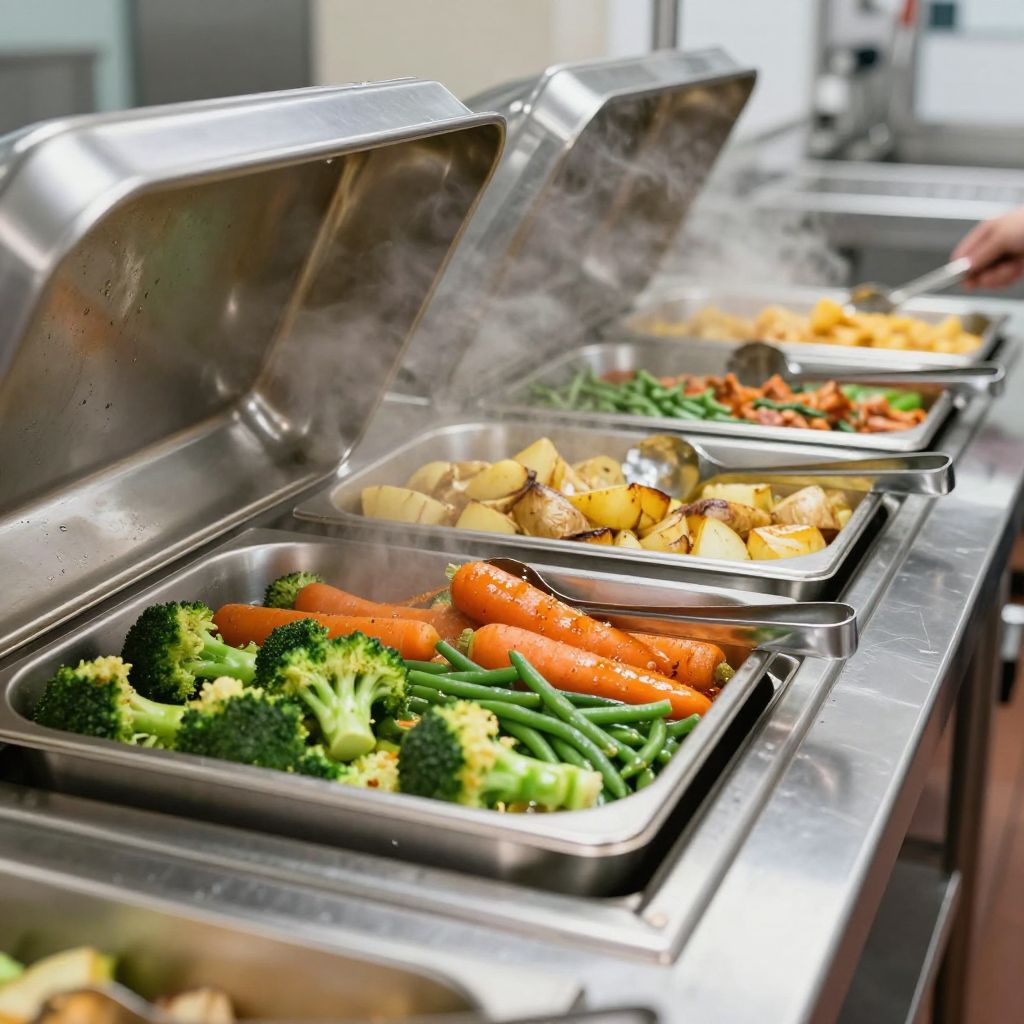
If you’re searching for “cooked plant foods that are held in a steam table,” you may be trying to identify a food-service term that overlaps with gardening and produce handling. In a garden context, the useful question is really how to grow, harvest, and keep vegetables and herbs in top condition so they hold well after cooking or hot holding.
The best approach is to choose sturdy, evenly maturing crops, harvest at the right stage, and handle them gently so they keep their texture and color. Good soil, steady moisture, and timely picking matter more than any one “storage trick” once the plants are in the ground.
What are cooked plant foods that are held in a steam table, and how does that affect gardening?
In gardening terms, this usually points to vegetables and herbs that need to stay firm, colorful, and flavorful after harvest, cooking, and brief hot holding. To grow produce that performs well, focus on varieties with good texture, even growth, and reliable harvest timing, then harvest at peak maturity and cool or process promptly.
Choose crops that hold texture after harvest
Not every vegetable behaves the same after cooking. Some soften quickly, while others keep their shape better in warm holding conditions.
Good candidates for home gardens
- Green beans — harvest young and tender for better texture.
- Broccoli and cauliflower — pick tight heads before they loosen.
- Carrots — sweeter and firmer when grown in loose, stone-free soil.
- Potatoes and sweet potatoes — useful for many cooked dishes, but they need proper curing and storage.
- Peas — best when harvested promptly before seeds become starchy.
- Leafy greens such as kale, chard, and spinach — harvest young leaves for tenderness.
If you want produce that remains appealing after cooking, avoid letting crops become overmature. Overgrown beans get stringy, roots become woody, and brassicas may lose tenderness.
How do you grow vegetables that cook well and hold up in service?
Start with healthy soil, even moisture, and enough sunlight for the crop. Plants that grow steadily are less likely to become tough, bitter, or misshapen, which helps them cook more evenly and hold their quality longer.
Soil preparation
- Work compost into the top 6 to 8 inches of soil before planting.
- Make sure drainage is good; waterlogged soil leads to weak roots and poor flavor.
- For root crops, remove rocks and clods so roots can develop smoothly.
- Avoid overloading soil with fresh manure right before planting root vegetables.
Most vegetables prefer fertile, well-drained soil with a crumbly texture. If your soil is heavy clay, raised beds or broad, gently mounded rows can improve drainage and root quality.
Sunlight and spacing
Full sun is best for most vegetables that you want to harvest at peak quality. Crowded plants compete for light and airflow, which can lead to smaller harvests and more disease.
- Give tall crops room so they do not shade shorter ones.
- Follow seed packet spacing, then thin seedlings if needed.
- Use trellises for peas and pole beans to keep pods cleaner and easier to harvest.
What planting and care practices improve harvest quality?
Even watering, timely thinning, and regular weeding help crops develop evenly. That matters because uneven growth often means uneven cooking, with some pieces turning mushy while others stay underdone.
Watering the right way
Water deeply rather than giving frequent shallow sprinkles. Deep watering encourages stronger roots and reduces stress that can make vegetables bitter, fibrous, or cracked.
- Keep soil consistently moist during germination.
- Use mulch to slow evaporation and reduce soil splash on leaves.
- Water at the base of plants when possible to limit foliar disease.
Feeding plants without pushing too much leafy growth
Balanced fertility supports steady growth. Too much nitrogen can produce lush leaves but weak roots, poor flavor, or hollow stems in some crops.
- Use compost as the foundation of fertility.
- Side-dress lightly if a crop is clearly slowing down, but do not overfeed.
- Match feeding to the crop: leafy greens need different support than carrots or beans.
When should you harvest vegetables for the best cooked texture?
Harvest timing is one of the biggest factors in quality. Pick too early and the crop may be underdeveloped; pick too late and it may become tough, starchy, or overly fibrous.
Harvest cues to watch for
- Beans: pods should be slender and snap cleanly.
- Broccoli: heads should be tight and compact, before yellow flowers appear.
- Cauliflower: curds should be firm and white, with leaves still protecting the head.
- Carrots: tops should match the expected size, but taste-test if unsure.
- Peas: pods should be filled out but not bulging hard with mature seeds.
- Leafy greens: younger leaves are usually more tender for cooking.
Harvest in the cool part of the day when possible. Heat stress can reduce crispness, and wilted produce is harder to keep attractive after cooking or hot holding.
How should you handle and store garden produce before cooking?
Gentle handling preserves texture. Bruising, crushing, or leaving produce in the sun can shorten shelf life and reduce quality quickly.
Basic post-harvest care
- Harvest into a clean basket or crate, not a deep sack that crushes the lower layers.
- Remove damaged leaves or pods promptly.
- Rinse soil off only when needed, then dry produce well.
- Cool vegetables soon after harvest if you are not cooking them right away.
- Store each crop according to its needs; some prefer cool, humid conditions, while others need drier storage.
For home gardeners, the main goal is to keep vegetables fresh long enough to cook them at their best. If you plan to hold cooked food warm, start with the freshest possible harvest because quality drops as soon as plant tissue begins to soften.
Common garden problems that affect cooked quality
Many issues show up first in the garden, not the kitchen. If your vegetables taste off or turn mushy, the cause may be growing conditions rather than cooking alone.
Bitter, tough, or stringy vegetables
- Harvested too late
- Water stress during growth
- Excess heat during development
- Overcrowding or poor soil fertility
Fix these by improving moisture consistency, harvesting earlier, and choosing varieties suited to your climate and season length.
Pests and diseases
- Aphids can weaken tender crops and distort new growth.
- Cabbage worms and other caterpillars damage brassicas.
- Powdery mildew can reduce leaf quality on some crops.
- Root rot is more likely in poorly drained soil.
Use crop rotation, clean garden debris, and regular inspection to reduce problems. If you spot pests early, hand-picking, row covers, and strong water sprays can often help before damage becomes severe.
Can you grow these crops in containers or small spaces?
Yes, many vegetables that cook well can be grown in pots, raised beds, or compact plots. Container growing works especially well when you want close control over soil quality and moisture.
Container tips
- Use a pot with drainage holes.
- Choose a quality potting mix, not garden soil.
- Water more often than in-ground plantings because containers dry faster.
- Feed lightly as needed, since nutrients leach out faster in pots.
Compact varieties of beans, greens, carrots, and herbs are often the easiest choices for small spaces. Just remember that smaller containers dry out quickly, which can reduce crop quality if you miss watering.
Practical mistakes to avoid
- Letting crops overmature before harvest.
- Growing in compacted or poorly drained soil.
- Using too much nitrogen on root and fruiting crops.
- Ignoring spacing and airflow.
- Harvesting in the heat of the day when plants are stressed.
- Leaving bruised or damaged produce mixed with healthy harvests.
The biggest takeaway: quality after cooking starts with quality in the garden. If plants grow steadily, are harvested at the right stage, and are handled carefully, they are much more likely to stay attractive and tasty after cooking and brief hot holding.
Conclusion
If your goal is produce that performs well after cooking, focus on the whole chain: healthy soil, even moisture, correct spacing, timely harvest, and gentle handling. Start by choosing one crop you already grow and improve just one part of its care this season, such as watering consistency or harvest timing.
For more practical growing advice, you may also want to read about how to improve vegetable garden soil and harvesting vegetables at peak flavor.
Leave a Reply