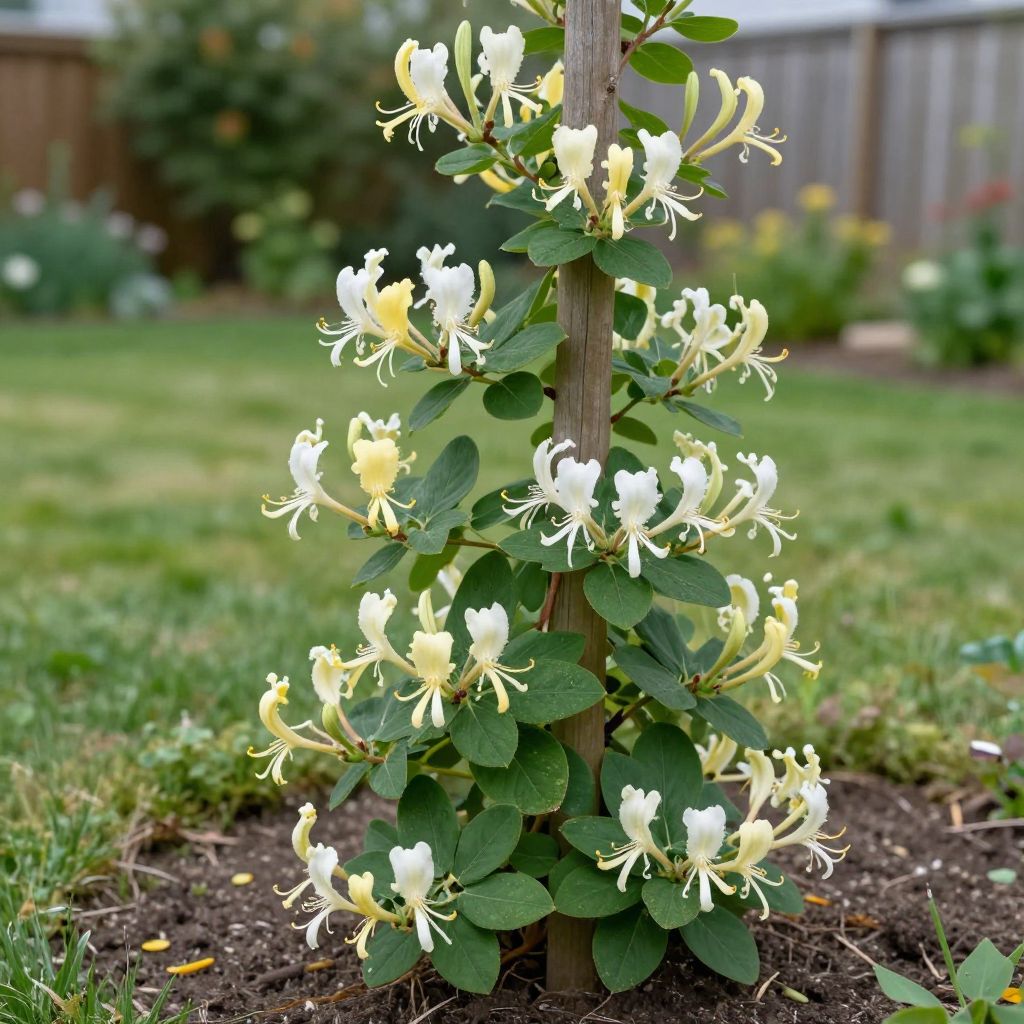
When does honeysuckle bloom? In most gardens, honeysuckle flowers from late spring into summer, though the exact timing depends on the species, your climate, sun exposure, and how established the plant is. Some types bloom earlier, some repeat later in the season, and a healthy vine in the right spot usually flowers more reliably.
If your honeysuckle is leafy but not blooming, the issue is often pruning, too much shade, or overly rich soil. The good news is that with the right growing conditions and a little seasonal care, you can usually improve flowering over time.
When does honeysuckle bloom?
Honeysuckle typically blooms from late spring through summer, with some varieties starting in spring and others continuing into early fall. Flowering is strongest when the plant gets full sun to partial shade, moderate moisture, and a proper seasonal pruning schedule. Young plants may bloom lightly at first and improve as they mature.
What affects honeysuckle bloom time?
Bloom timing varies because “honeysuckle” includes several species and cultivars, including climbing vines and shrubby forms. Climate, winter severity, and local weather can shift flowering by several weeks in either direction.
1. Species and type
Different honeysuckles bloom at different times. Some common garden honeysuckles flower in late spring, while others continue into midsummer or rebloom lightly later.
2. Your climate
In cooler regions, bloom may begin later and last longer. In warm climates, flowering can start earlier, but heat and drought may shorten the display if the plant is stressed.
3. Sunlight
More sun usually means better flowering. Honeysuckle in deep shade often grows well but blooms sparsely.
4. Plant age
Newly planted honeysuckle may spend its first season establishing roots rather than flowering heavily. More mature plants usually bloom more reliably.
How to get more blooms on honeysuckle
If you want better flowering, focus on the plant’s growing conditions first. Honeysuckle rewards steady care more than heavy feeding or constant pruning.
- Plant in the right light. Aim for at least 6 hours of sun if possible. In hot climates, morning sun with afternoon shade can work well.
- Use well-drained soil. Honeysuckle prefers soil that holds some moisture but never stays soggy.
- Water deeply, not constantly. Water newly planted vines regularly until established, then water during dry spells rather than on a rigid schedule.
- Mulch to protect roots. A 2 to 3 inch layer of mulch helps conserve moisture and reduce weed competition. Keep mulch a few inches away from the stems.
- Prune at the right time. Prune after flowering for spring-blooming types, or in late winter for summer bloomers if needed. Avoid cutting off next season’s flower buds.
Fertilizer: less is often better
Too much nitrogen can push leafy growth at the expense of flowers. If your soil is average, a light top-dressing of compost in spring is often enough. If growth is weak or leaves are pale, a soil test is more useful than guessing with fertilizer.
Best growing conditions for healthy flowering
Honeysuckle is adaptable, but it blooms best when its basic needs are met. Strong growth and good drainage usually lead to better flowering than rich soil alone.
Soil
Most honeysuckles do best in moderately fertile soil with good drainage. Heavy clay can be improved with compost and careful planting, but avoid creating a hole that fills with water after rain.
Water
Keep the soil evenly moist during the first growing season. Once established, many honeysuckles tolerate short dry periods better than constant wetness. Wilting, yellowing, or poor bloom can all signal stress from drought or overwatering.
Support and spacing
Climbing honeysuckle needs a trellis, fence, arbor, or other support. Give vines room to spread so air can move through the plant, which helps reduce disease problems and supports better flowering.
Pruning honeysuckle without losing flowers
Pruning is one of the biggest reasons honeysuckle fails to bloom. The key is knowing when your plant forms its flower buds.
Spring-blooming honeysuckle
Prune right after flowering. That gives the plant time to grow new stems that will carry next year’s buds.
Summer-blooming honeysuckle
Light pruning in late winter or early spring is usually safer, but avoid hard pruning unless the plant is overgrown or damaged. If you cut too late, you may remove developing flower buds.
What to remove
- Dead, damaged, or crossing stems
- Weak growth near the base
- Overly tangled sections that block light and airflow
- Old stems that no longer flower well, if renewal pruning is needed
Tip: If you are unsure which honeysuckle you have, prune lightly until you learn its bloom habit. A cautious approach is safer than a heavy cutback.
Common reasons honeysuckle does not bloom
When a honeysuckle refuses to flower, the cause is often environmental rather than a serious disease. Start by checking the basics before assuming the plant is failing.
- Too much shade: The plant survives, but bloom is sparse.
- Overfertilizing: Excess nitrogen encourages leaves, not flowers.
- Wrong pruning time: Buds may be removed before they open.
- Recent transplanting: Young or moved plants often focus on root growth first.
- Drought stress: Dry soil can reduce bud formation and shorten bloom.
- Poor drainage: Soggy roots can weaken the plant and limit flowering.
Pests and diseases that can affect bloom
Healthy foliage supports better flowering, so it helps to watch for common problems that stress the plant. You do not need to chase every blemish, but repeated damage can reduce bloom.
Watch for aphids and powdery mildew
Aphids can distort new growth, while powdery mildew may cover leaves with a white coating in humid or crowded conditions. Both can weaken the plant if severe.
Practical fixes
- Rinse aphids off with a strong spray of water
- Improve airflow by thinning crowded growth
- Water at the soil line rather than overhead when possible
- Remove badly affected leaves if disease is spreading
If a vine is repeatedly diseased, check whether it is planted too close to a wall, fence, or other plants. Better spacing often helps more than treatment alone.
How to plant honeysuckle for better future bloom
If you are planting new honeysuckle, good site selection makes a big difference in how soon and how well it flowers.
- Choose a site with sun and room to grow.
- Dig a hole as deep as the root ball and about twice as wide.
- Set the plant at the same depth it was growing in its container.
- Backfill with native soil, loosening compacted clods.
- Water thoroughly after planting.
- Mulch lightly and keep the base clear.
- Train climbers onto support early so stems grow where you want them.
For the first season, focus on establishment rather than heavy pruning or feeding. A well-rooted plant usually blooms better in the second season than one that is pushed too hard early on.
Can you encourage rebloom?
Some honeysuckles may produce a second flush of flowers, especially if spent blooms are removed and the plant remains healthy. Rebloom is not guaranteed, but it is more likely when the plant gets enough light, water, and room to grow.
Deadheading can help tidy the plant and may encourage additional flowering on some varieties. However, do not expect every honeysuckle to rebloom; many are naturally one main flush per season.
Seasonal care calendar for honeysuckle
Use the season to guide your care, since bloom timing and maintenance needs change through the year.
- Spring: Check for winter damage, water during dry spells, and avoid heavy pruning if buds are forming.
- Late spring to summer: Enjoy bloom, deadhead if appropriate, and watch for pests or mildew.
- After flowering: Prune spring-blooming types lightly and shape the plant if needed.
- Fall: Let the plant harden off naturally; avoid pushing soft new growth late in the season.
- Winter: Remove dead wood and plan major pruning only if your type tolerates it at that time.
Conclusion
So, when does honeysuckle bloom? Most honeysuckles flower from late spring into summer, but the exact window depends on the type and your local growing conditions. If you want more blooms, give the plant sun, drainage, moderate water, and the right pruning at the right time. Start by checking light and pruning, then adjust care one step at a time.
For more practical help with flowering vines, you may also want to read about how to prune flowering shrubs correctly and choosing the best trellis for climbing plants.