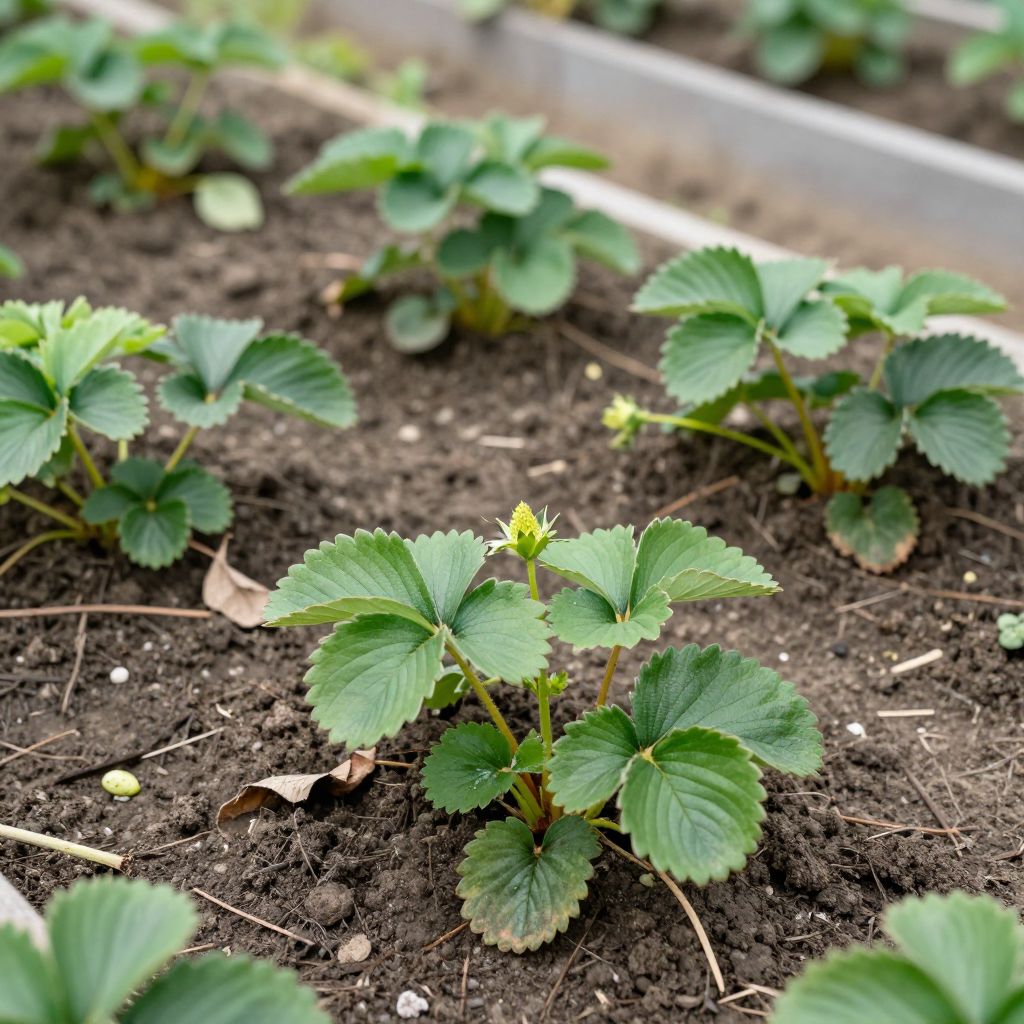
Do strawberry plants come back? In many gardens, yes—strawberries are perennial plants that can return year after year if they’re planted in the right conditions and cared for properly. The catch is that productivity often drops after a few seasons, so “coming back” does not always mean “producing well forever.”
If you want healthy plants and a reliable harvest, it helps to know how strawberries grow, what winter does to them, and when to replace older plants. With the right care, you can keep a patch productive for several years and even expand it from runners.
Do strawberry plants come back?
Yes, strawberry plants can come back because they are perennial in most home gardens. Their crowns survive winter and regrow in spring, especially in climates where they’re well mulched and not exposed to prolonged waterlogging, heat stress, or severe cold without protection.
How strawberry plants grow from year to year
Strawberries grow from a central crown, not from a woody stem. Each crown produces leaves, flowers, and runners, and the plant can survive through dormancy when temperatures drop.
In spring, established plants push out new leaves and flowers. In summer, many types also send runners that root into nearby soil and form new plants. By late season, older crowns may slow down as they store energy for the next cycle.
Why some plants seem to “die” and then return
Often, a strawberry plant is not dead at all. It may simply be dormant, trimmed back by cold, or weakened by drought, pests, or disease. If the crown is firm and the roots are alive, the plant may regrow when conditions improve.
What affects whether strawberries return successfully?
Several growing conditions determine whether strawberry plants survive and produce again. The biggest factors are winter protection, drainage, sunlight, soil health, and how old the planting is.
- Climate: Strawberries handle winter better in some regions than others.
- Drainage: Crowns rot easily in soggy soil.
- Sunlight: Full sun supports strong growth and fruiting.
- Plant age: Older patches often decline after a few seasons.
- Pest and disease pressure: Problems can shorten plant life.
Sunlight and temperature
Strawberries usually perform best in full sun, meaning at least 6 to 8 hours of direct light daily. In hotter climates, a little afternoon shade can reduce stress, but too much shade often leads to weak plants and poor fruiting.
Cold weather is not always a problem. Many strawberry types tolerate winter dormancy, but plants are more vulnerable when temperatures swing sharply, the soil stays wet, or crowns are exposed after frost heaving.
Soil and drainage
Strawberries prefer loose, fertile soil that drains well. A slightly raised bed, mounded row, or container can help if your native soil stays heavy or compacted.
Adding compost before planting improves structure and moisture retention without making the soil soggy. Avoid planting strawberries in low spots where water collects after rain.
How to help strawberry plants come back each season
Good seasonal care makes a big difference in whether your strawberries return strong or weak. The goal is to protect the crown, keep the roots healthy, and allow the plant to rebuild energy after fruiting.
- Plant in a well-drained spot. Choose full sun and soil that does not stay wet.
- Keep the crown at soil level. Planting too deep can rot the crown; planting too shallow can dry it out.
- Water consistently. Keep soil evenly moist, especially while plants are establishing and during fruiting.
- Mulch appropriately. Use straw, pine needles, or similar mulch to protect roots and berries.
- Remove old, damaged leaves. Clean up dead foliage to reduce disease pressure.
- Renew the patch. Replace weak older plants and root healthy runners.
Mulching for winter survival
In colder areas, winter mulch can help strawberry plants come back stronger in spring. Apply mulch after the ground has cooled and plants have gone dormant, not too early while growth is still active.
Use enough mulch to protect the crown from freeze-thaw cycles, but avoid burying the plant completely for long periods in wet conditions. In spring, pull mulch back gradually so new leaves can emerge and the crown can dry.
Watering without overdoing it
Strawberries need steady moisture, especially during establishment, flowering, and fruit development. The soil should feel moist but not saturated.
Overwatering is a common mistake because it encourages root and crown rot. If the topsoil is still wet, wait before watering again. In containers, check more often because pots dry out faster but can also become waterlogged if drainage is poor.
Do strawberry plants come back after fruiting?
Yes, fruiting does not usually end the plant’s life. After harvest, the plant shifts energy into leaf growth, root health, and runner production. That post-harvest period is important because it helps determine how well the plant will return next season.
Once fruiting slows, keep watering, remove spent fruit, and let healthy leaves keep feeding the crown. If the patch is crowded, thin it so air can move through the plants and disease risk stays lower.
What to do after harvest
- Pick ripe berries promptly to reduce rot and pests.
- Remove damaged or diseased leaves.
- Keep the bed weed-free so strawberries are not competing for water and nutrients.
- Allow selected runners to root if you want replacement plants.
Why strawberry plants sometimes don’t return
If your strawberries fail to come back, the cause is often environmental or age-related rather than a mystery. Older beds naturally become less productive, and stressed plants may not survive winter well.
Common reasons for failure
- Crown rot: Often caused by poor drainage or planting too deep.
- Winter injury: Exposed crowns can be damaged by freeze-thaw cycles.
- Drought stress: Dry soil weakens roots and reduces survival.
- Exhausted planting: Older plants often produce fewer berries.
- Disease buildup: Repeated planting in the same spot can increase problems.
If a plant looks dead, check the crown before pulling it out. A firm, pale-green or white crown is a better sign than leaves alone, which can die back while the plant is still alive.
How to tell if a strawberry plant is alive
Gently scrape a small section of the crown or inspect the center growth. If the crown is firm, not mushy, and the roots are not black and rotten, the plant may recover. Soft, foul-smelling tissue usually means the plant has failed.
How long do strawberry plants keep coming back?
Strawberry plants can live for several years, but many home gardeners find that fruit quality and yield decline after the first few productive seasons. That’s why many growers treat the patch as a rotating planting rather than a permanent bed.
You can extend productivity by renewing plants from runners, removing weak older crowns, and keeping the bed healthy. Still, if harvests get smaller and disease increases, replacing part or all of the patch is often the best choice.
Using runners to renew your patch
Healthy runners are one of the easiest ways to keep strawberries coming back. Let a few strong runners root in place, then separate and transplant them once they are established.
Choose vigorous, disease-free daughter plants and avoid taking runners from weak or infected mother plants. This helps you carry forward the best plants in your patch.
Strawberry plant care tips for better regrowth
Simple maintenance can make a big difference in whether strawberries return strongly each year. Focus on plant health rather than forcing growth with heavy feeding or constant disturbance.
- Feed lightly with compost rather than overloading the bed with nitrogen.
- Keep weeds down so young crowns are not crowded.
- Space plants well for better airflow and easier harvest.
- Rotate beds if disease has been a problem.
- Inspect regularly for slugs, birds, leaf spots, and rotting fruit.
Too much nitrogen can produce lush leaves but fewer berries and softer growth that is more prone to disease. Balanced, moderate care is usually better than aggressive feeding.
Indoor and container strawberries: do they come back too?
Yes, container-grown strawberries can come back, but they need better drainage and more attentive watering than in-ground plants. Pots also expose roots to faster temperature swings, so winter survival depends on your climate and where the container sits.
If you grow strawberries in containers, use a pot with drainage holes, a well-draining potting mix, and enough light. In cold regions, move containers to a protected location if the variety and pot size make winter damage likely.
Practical mistakes to avoid
- Planting the crown too deep.
- Letting soil stay soggy around the roots.
- Growing strawberries in too much shade.
- Ignoring old, crowded, or diseased plants.
- Removing all runners when you need replacements.
- Mulching too early in fall or leaving mulch packed over crowns in spring.
Conclusion: keep strawberries coming back with the right care
So, do strawberry plants come back? Usually yes, if they’re healthy, planted well, and protected through the seasons. The best way to keep them returning is to give them sun, drainage, steady moisture, and a little winter protection where needed.
If your patch is getting older, start renewing it now by rooting a few strong runners and removing weak plants. For more growing ideas, you may also find this guide helpful: can you grow strawberries indoors.