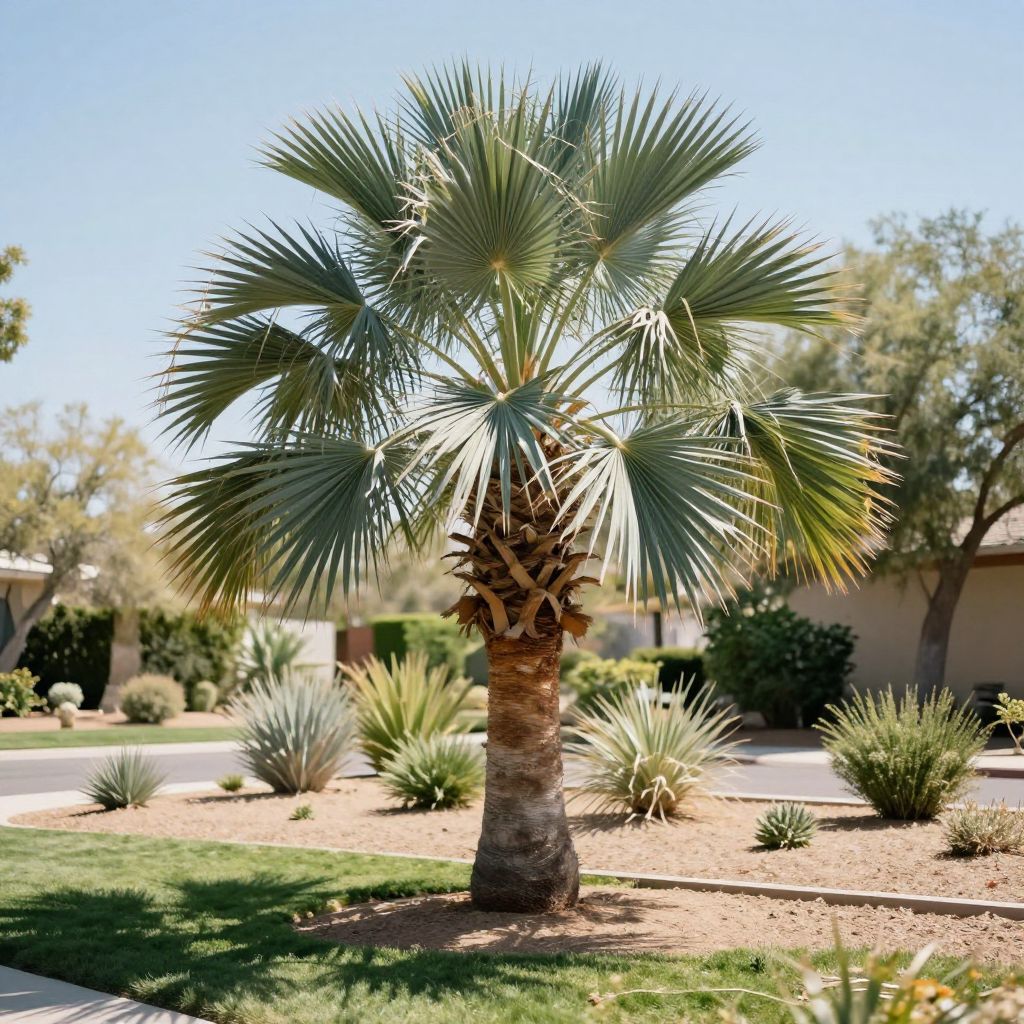
Does Texas have palm trees? Yes—Texas does have palm trees, but not everywhere and not every kind. The state’s warmest coastal and southern areas can support several true palms outdoors, while colder inland regions often need hardy species, microclimates, or container growing.
If you want palms in Texas, success depends on matching the species to your local heat, winter lows, wind, and soil drainage. The right palm can be a striking low-maintenance landscape plant; the wrong one may struggle with freeze damage, nutrient deficiencies, or poor establishment.
Does Texas Have Palm Trees?
Yes, Texas has palm trees in landscapes, parks, and coastal plantings, especially in South Texas, the Rio Grande Valley, and along the Gulf Coast. The best outdoor choices are cold-tolerant palms such as sabal palm, windmill palm, and needle palm, but their performance depends on your exact location and winter temperatures.
Which Palm Trees Grow Well in Texas?
Texas is large enough to include several different growing climates, so “good palm” depends on where you live. A palm that thrives in Brownsville may fail in Dallas or Amarillo.
Common palms that can work in Texas
- Sabal palm (Sabal palmetto and related species) — very tough and commonly used in coastal and southern landscapes.
- Windmill palm (Trachycarpus fortunei) — one of the more cold-hardy true palms for inland Texas gardens.
- Needle palm (Rhapidophyllum hystrix) — slow-growing, but among the most cold-tolerant palms.
- Pindo palm (Butia odorata) — attractive and fairly hardy, though it still needs good drainage and some winter protection in colder parts of Texas.
- Mexican fan palm (Washingtonia robusta) — common in warmer regions, but less cold-hardy than many people expect.
In the warmest parts of Texas, you may also see queen palms, pygmy date palms, and other tropical-looking species. These can be beautiful, but they are usually less dependable outdoors in colder or more exposed sites.
What to avoid if you live in colder parts of Texas
Many palms sold in big-box stores are labeled “tropical” without much guidance. If your area gets hard freezes, avoid assuming a palm will survive just because it looks healthy in the nursery.
- Very tender palms that need consistently warm winters
- Large landscape palms planted in exposed, windy spots
- Palms that dislike wet winter soil in clay-heavy yards
What Texas Conditions Matter Most for Palm Growth?
Palms are not just heat-loving plants; they also need the right soil and drainage. In Texas, the biggest challenges are winter cold, alkaline soil in many areas, summer drought, and compacted clay that holds water around the roots.
Sunlight
Most landscape palms prefer full sun once established, though some young palms benefit from partial shade while they settle in. If you are planting in a very hot inland location, afternoon shade can reduce stress for less hardy species.
Soil and drainage
Good drainage is critical. Palms do not like sitting in soggy soil, especially during cool weather when root rot becomes more likely.
- Clay soil: improve with compost and plant slightly high if drainage is slow.
- Sandy soil: drains well but may need more organic matter and regular watering during establishment.
- Alkaline soil: some palms handle it better than others, but nutrient deficiencies can still appear.
Wind and exposure
Coastal Texas can be windy and salty, while inland sites may face sudden freezes. A sheltered spot near a wall, fence, or taller planting can help, but do not crowd the palm too closely to structures.
How to Plant a Palm Tree in Texas
Planting correctly matters more than fertilizing heavily. A well-planted palm adapts faster and handles Texas stress better than one buried too deep or packed into poor soil.
- Choose the right species for your area. Match cold hardiness to your local winter lows.
- Select a site with good drainage. Avoid low spots where water collects after rain.
- Dig a hole only as deep as the root ball. Make it 2 to 3 times as wide, not deeper.
- Set the palm at the same level it grew in the container. Do not bury the trunk.
- Backfill with native soil unless your soil is extremely poor. Too much amended soil can create a “pot effect” that traps roots.
- Water thoroughly after planting. Soak the root zone to settle soil around the roots.
- Mulch lightly. Keep mulch a few inches away from the trunk to prevent rot.
If your soil is heavy clay, planting slightly above grade can help. A shallow mound or raised bed is often safer than a hole that stays wet after storms.
How to Water Palm Trees in Texas
Newly planted palms need consistent moisture while roots establish, but mature palms should not be kept constantly wet. In Texas heat, the goal is deep watering with time for the soil surface to dry somewhat between soakings.
Establishing palms
For the first several months after planting, water deeply whenever the top few inches of soil begin to dry. The exact frequency depends on heat, wind, soil type, and rainfall.
- Hot, sandy sites dry faster and may need more frequent watering.
- Clay soil holds water longer, so check moisture before watering again.
- Container-grown palms dry out faster than in-ground palms.
Mature palms
Once established, many palms are fairly drought-tolerant, but they still look better with occasional deep watering during extended dry spells. Water slowly at the root zone rather than spraying the foliage.
Avoid overwatering. Yellowing, soft growth, and declining roots can be caused by poor drainage just as easily as by drought.
Fertilizing Palms in Texas
Palms often show nutrient problems in Texas soils, especially where the soil is alkaline or low in organic matter. A balanced palm fertilizer can help, but only if the plant is otherwise healthy and growing in suitable conditions.
Common nutrient issues
- Magnesium deficiency may show as yellowing on older fronds with green centers.
- Potassium deficiency can cause weak, discolored, or necrotic older fronds.
- Manganese deficiency often affects new growth and can be serious in high-pH soils.
Use a fertilizer made for palms if your soil test or plant symptoms suggest a deficiency. In many cases, a soil test is the smartest first step, especially if multiple palms or other landscape plants are showing problems.
Do not overfertilize. Too much fertilizer can burn roots or push weak growth that is more vulnerable to cold snaps and drought.
Pruning and Maintenance
Palms need less pruning than many trees, but they still need careful maintenance. The main rule is simple: remove only dead or fully brown fronds unless a specific safety issue requires more attention.
Pruning tips
- Cut fronds close to the trunk without damaging trunk tissue.
- Leave green fronds in place; they still feed the palm.
- Remove seed stalks only if they are messy, unwanted, or creating cleanup issues.
- Use clean, sharp tools to avoid tearing tissue.
Avoid the common “hurricane cut,” where too many fronds are removed at once. That weakens the palm and can slow recovery after heat or cold stress.
Cold Protection for Texas Palms
Even hardy palms can be damaged by sudden freezes, especially when they are young or newly planted. In Texas, winter protection is often the difference between a palm that merely looks rough and one that dies back.
How to protect palms before a freeze
- Water the soil lightly if it is dry before a cold front arrives.
- Mulch the root zone to buffer temperature swings.
- Wrap the trunk or crown loosely with frost cloth if the species is marginal for your area.
- Use outdoor lights or other gentle heat only if appropriate and safe for the plant and setup.
After a freeze, wait before pruning. Some fronds that look damaged at first may still provide protection to the crown until warmer weather reveals what is truly dead.
Common Palm Problems in Texas
Texas palms can face pest, disease, and weather-related issues. Catching problems early gives you the best chance of saving the plant.
Typical pests
- Scale insects can weaken palms by sucking sap from fronds and stems.
- Spider mites are more common in hot, dry conditions and may cause speckled foliage.
- Palmetto weevils can be serious on certain palms, especially stressed or damaged ones.
Common disease and stress issues
- Root rot from poor drainage
- Fungal leaf spots during humid periods
- Cold injury after freezes
- Sun scorch on newly transplanted or shade-grown palms
If a palm is declining, check the roots, soil moisture, and crown first. Many problems blamed on “bad fertilizer” are actually caused by planting too deep, poor drainage, or the wrong species for the site.
Can You Grow Palm Trees in Containers in Texas?
Yes, container growing is a practical option if your area is too cold for a palm outdoors year-round or if you want a movable accent plant. Pots also let you control soil mix and drainage more easily.
Container care basics
- Use a pot with drainage holes.
- Choose a well-draining potting mix, not garden soil.
- Water when the top layer of mix dries, but do not let the pot sit in water.
- Move the container to a protected spot during freezes.
Container palms still need bright light, regular monitoring, and occasional repotting as roots fill the pot. If growth slows and roots circle heavily, it may be time to step up to a larger container.
Best Practices for a Healthy Texas Palm Landscape
If you want palms to look good long term, think beyond the first planting day. The best results come from choosing the right palm, planting it correctly, and adjusting care to your exact Texas climate.
- Match the species to your winter lows, not just your summer heat.
- Prioritize drainage over rich soil.
- Water deeply during establishment, then avoid constant wetness.
- Prune sparingly and only when necessary.
- Watch for nutrient issues, especially on older fronds.
- Protect young palms during freezes and strong winds.
So, does Texas have palm trees? Absolutely—but the key is choosing the right palm for your region and giving it the drainage, light, and winter protection it needs. If you are unsure what kind of palm you have or want to plant, compare species carefully before buying, and consider reading more about identifying landscape trees and palms before you head to the nursery. What type of tree is this?