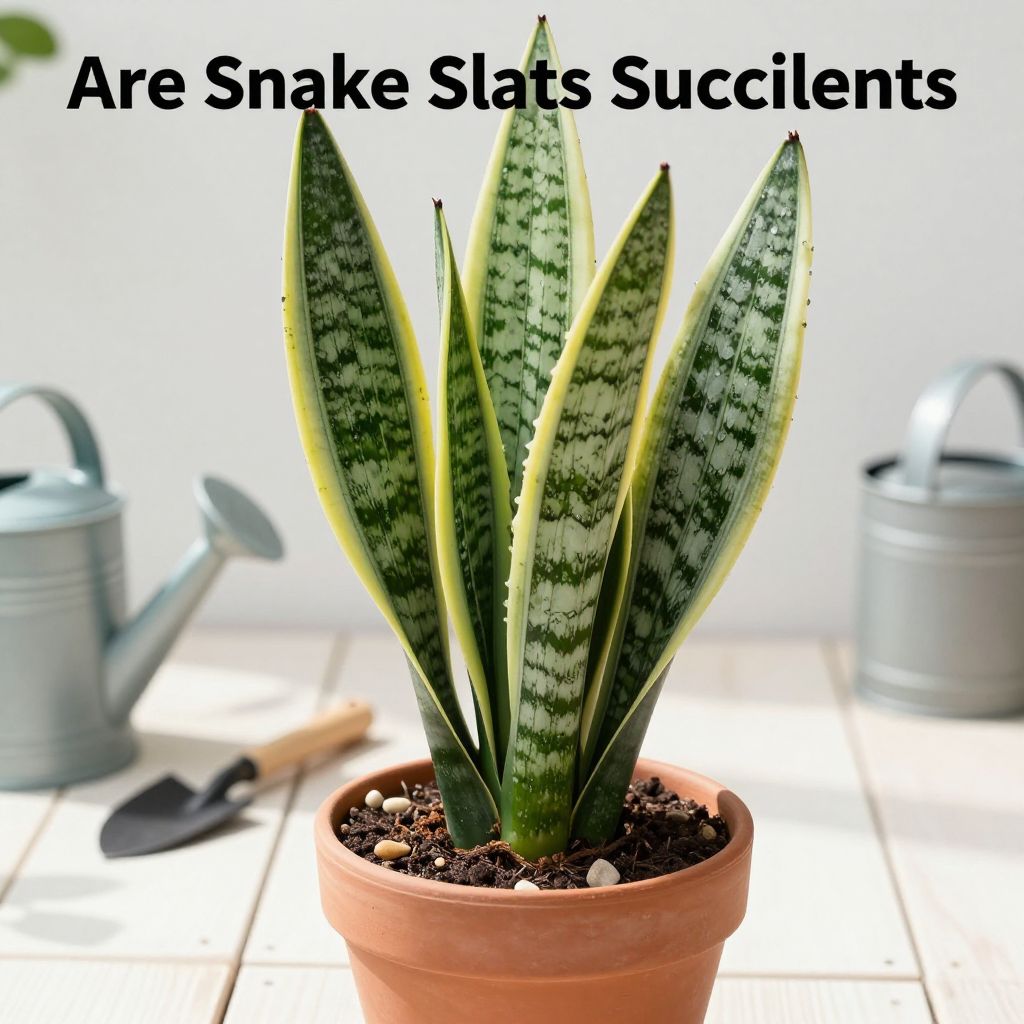
Are snake plants succulents? Yes—snake plants, now usually classified as Dracaena trifasciata, are succulent-type plants because they store water in their thick leaves and tolerate dry conditions well. That said, they are not “desert cacti,” and they still need the right soil, light, and watering habits to stay healthy.
If you treat a snake plant like a true succulent, you’ll usually do well indoors. The main difference is that snake plants prefer a little more shade tolerance and a bit more consistency than many desert succulents, especially when it comes to drainage and avoiding cold, wet soil.
Are snake plants succulents?
Snake plants are considered succulents because their fleshy leaves store water, helping them survive drought and irregular watering. They are not cacti, and they are not the same as rosette succulents like echeveria, but their care overlaps heavily with other drought-tolerant houseplants.
In practical gardening terms, that means you should think “dry-loving plant with thick leaves” rather than “thirsty foliage plant.” The biggest mistake is overwatering, especially in low light or in heavy potting mix.
What makes a snake plant succulent-like?
Water storage in the leaves
Snake plants have stiff, upright leaves with tissue that holds moisture. This is the classic succulent trait that lets the plant go longer between waterings than many houseplants.
Slow growth and drought tolerance
They grow slowly, especially indoors, and can handle periods of dryness. That doesn’t mean they want to be ignored forever, but it does mean they are forgiving if you miss a watering.
Adapted roots and rhizomes
Snake plants spread through underground rhizomes, which store energy and help produce new shoots. Those rhizomes also make the plant vulnerable to rot if the soil stays wet too long.
How to care for snake plants like a succulent
Use a fast-draining potting mix
A snake plant does best in a loose, airy mix that drains quickly. A cactus or succulent mix is a good starting point, and you can improve it by adding extra perlite, pumice, or coarse sand if the mix feels too dense.
- Choose a pot with a drainage hole.
- Avoid heavy garden soil in containers.
- Use a container only slightly larger than the root mass.
Drainage matters more than pot size. A pot that is too large holds excess moisture around the roots, which increases the risk of rot.
Water only when the soil dries out
Snake plants should be watered deeply, then allowed to dry out before the next watering. Check the soil with your finger or a wooden skewer; if the top several inches are dry and the pot feels light, it is usually time to water.
- Water thoroughly until excess runs from the bottom.
- Empty saucers so the pot does not sit in water.
- Reduce watering in winter or during slower growth periods.
The exact timing depends on light, temperature, pot size, and season. A plant in bright light and warm conditions may dry faster than one in a cool, dim room.
Give bright, indirect light
Snake plants tolerate low light better than many succulents, but they grow best in bright, indirect light. They can handle some gentle morning sun, though harsh afternoon sun through hot glass may scorch the leaves.
If your plant is stretching, leaning, or losing its strong leaf pattern, it may need more light. If the leaves bleach or develop dry brown patches, the light may be too intense.
Keep temperatures moderate
These plants prefer indoor temperatures that stay comfortably warm. Protect them from cold drafts, frost, and prolonged chilling. Outdoors, they are only suitable in climates where temperatures remain mild enough for year-round growth, or as seasonal container plants brought indoors before cold weather.
Indoor versus outdoor growing
Growing snake plants indoors
Indoors, snake plants are easiest to manage because you can control moisture and temperature. Place them near a bright window, rotate the pot occasionally for even growth, and avoid letting water collect in decorative cachepots.
Indoor air can be dry, but that usually does not bother snake plants. What they dislike most indoors is low light combined with frequent watering.
Growing snake plants outdoors
Outdoors, snake plants need well-drained soil and protection from heavy rain, cold snaps, and soggy ground. In containers, they are easier to manage than in garden beds because you can move them when weather turns wet or cool.
If you plant them in the landscape, choose a site with sharp drainage and avoid low spots where water collects after rain. In humid climates, outdoor snake plants often struggle more with rot than with drought.
How to plant or repot a snake plant
- Choose a pot with drainage holes.
- Use a gritty, fast-draining succulent mix.
- Slide the plant out carefully and inspect the roots.
- Trim away any soft, black, or mushy roots with clean pruners.
- Set the plant at the same depth it was growing before.
- Backfill lightly and do not pack the mix tightly.
- Wait a few days before watering if you disturbed or trimmed roots.
Repot only when the plant is root-bound, top-heavy, or the mix has broken down and holds too much moisture. Snake plants often prefer being slightly snug in their pots.
Pruning, cleaning, and maintenance
Remove damaged leaves
Cut off yellow, soft, or badly damaged leaves at the base with clean, sharp shears. If only the tip is brown and dry, you can trim the tip into a natural point, but do not cut into healthy green tissue unless necessary.
Wipe dust from the leaves
Dust can reduce the plant’s appearance and slightly limit light capture. Gently wipe the leaves with a damp cloth every so often, especially indoors.
Watch for crowded clumps
Older plants may produce many pups and become crowded. If the clump is large and healthy, you can divide it during repotting to create new plants or reduce congestion.
Common snake plant problems and fixes
Yellowing leaves
Yellow leaves often point to too much water, poor drainage, or root stress. Check the soil first. If it is wet, let it dry and adjust your watering routine; if the roots are mushy, you may need to remove damaged sections and repot in dry, airy mix.
Soft or mushy base
This is a serious sign of rot. Remove the plant from the pot, cut away rotten roots or rhizomes, and re-root healthy sections if possible. Always use sterile tools and a dry, well-draining potting mix.
Wrinkled or curling leaves
Wrinkling can mean the plant is too dry for too long, but it can also happen if roots are damaged and cannot take up water. Check both the soil and the roots before watering repeatedly.
Brown tips
Brown tips are often caused by inconsistent watering, mineral buildup, cold drafts, or very dry air. Trim only the damaged tip if needed, and consider using filtered or settled water if your tap water is very hard.
Pests and diseases to watch for
Snake plants are generally tough, but they can still get mealybugs, scale, or spider mites, especially indoors. Inspect leaf bases and undersides regularly, and isolate any infested plant before treating it.
- Mealybugs: white cottony clusters on leaves and in crevices.
- Scale: small, hard bumps that cling to stems or leaves.
- Spider mites: fine webbing and stippled, dull leaves in dry indoor air.
Most disease problems are linked to excess moisture. Good airflow, clean pots, and careful watering prevent many issues before they start.
Propagation: how snake plants make new plants
Division
The simplest method is division. Separate a healthy pup with roots attached and pot it in a small container with fresh, well-draining mix. This is the most reliable way to keep the new plant true to the parent’s appearance.
Leaf cuttings
You can also propagate from leaf sections, though it takes longer. Let cut pieces callus, then place them in a lightly moist, well-draining medium. Keep expectations realistic: new plants from leaf cuttings grow slowly and may not look exactly like the parent if the plant is variegated.
If you want the fastest, most dependable result, division is usually the better choice.
Best practices and mistakes to avoid
- Do not water on a fixed schedule without checking the soil first.
- Do not use a pot without drainage holes unless you are very experienced.
- Do not keep the plant in a dense, moisture-retentive mix.
- Do not place it in deep shade and then water heavily.
- Do not fertilize heavily; light feeding during active growth is usually enough.
Snake plants are forgiving, but they are not indestructible. The combination of low light, wet soil, and cool temperatures is the fastest route to trouble.
Final take: treat snake plants as succulents with a little flexibility
So, are snake plants succulents? Yes—just not the same kind of succulent as a cactus or a rosette plant. Give yours bright indirect light, a fast-draining mix, and careful watering, and it will usually stay healthy for years.
If you want to keep learning about easy indoor plants, consider reading more on houseplant drainage and potting mix basics and how to propagate houseplants from divisions and cuttings.