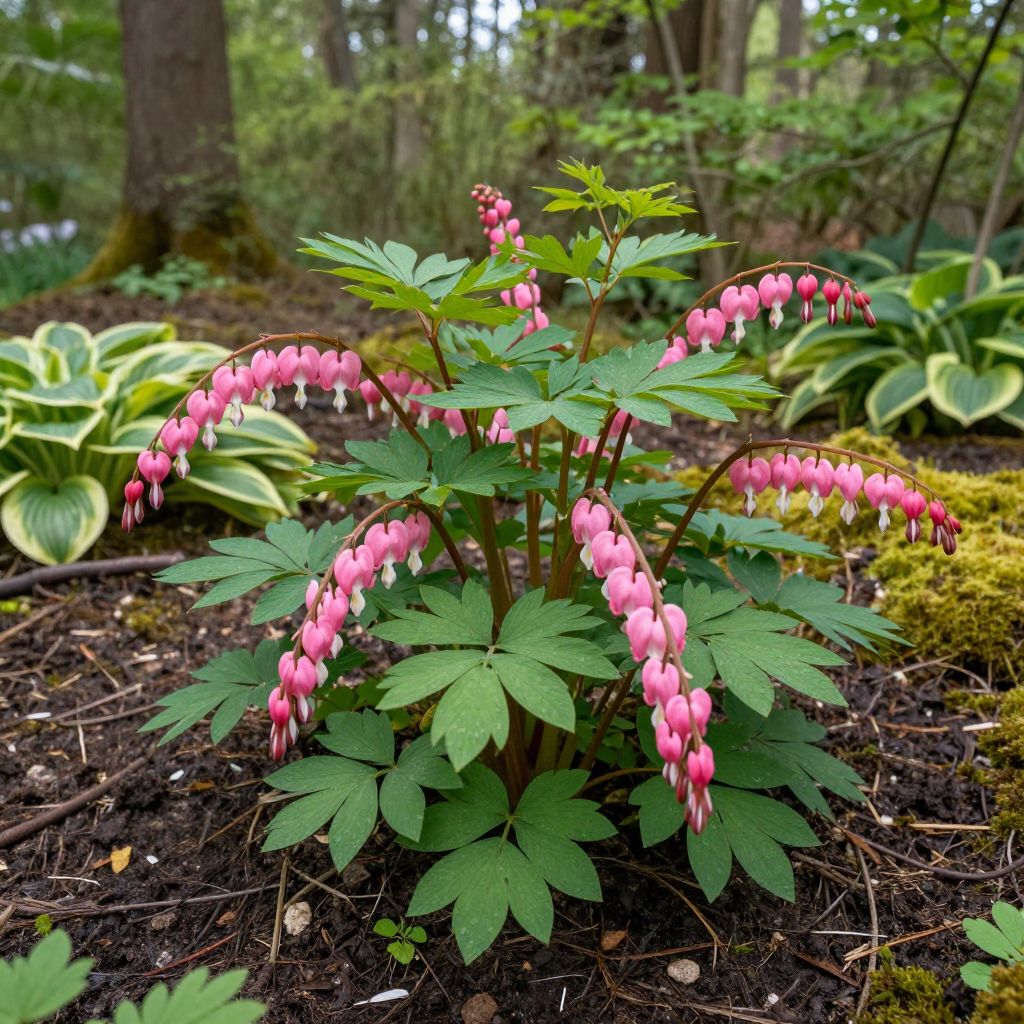
When do bleeding hearts bloom? If you’ve planted Dicentra or a similar bleeding heart, the answer is usually “in spring,” but the exact timing depends on your climate, local weather, and whether the plant is growing in shade or sun. These woodland perennials are prized for their arching stems and heart-shaped flowers, and they often appear just as spring gardens are waking up.
Knowing their bloom window helps you place them well, avoid common care mistakes, and enjoy a longer display before summer heat slows them down. With the right conditions, bleeding hearts can be one of the most charming early-season flowers in the garden.
When do bleeding hearts bloom?
Bleeding hearts typically bloom in mid to late spring, often from April through May in many temperate gardens. In cooler climates, flowering may begin later, while in warmer areas it can arrive earlier and finish faster. Most plants bloom for several weeks, then naturally fade as temperatures rise.
What affects the bloom time?
Bleeding hearts are spring ephemerals or cool-season perennials, so their flowering is closely tied to temperature and day length. The same plant may bloom earlier in a warm, sheltered border and later in a cool, shaded site.
Climate and region
- Cool spring weather tends to extend bloom time.
- Sudden heat can shorten the display and push the plant into dormancy sooner.
- In mild coastal or maritime climates, flowering may last longer than in hot inland gardens.
Sun exposure
Bleeding hearts usually bloom best in partial shade, especially where they get morning sun and afternoon shade. Too much heat and direct afternoon sun can cause flowers to finish quickly and foliage to yellow early.
Plant age and establishment
Young plants may bloom lightly in their first season, then improve as roots settle in. Established clumps usually flower more reliably and may produce more stems each year.
How long do bleeding hearts stay in bloom?
Most bleeding hearts bloom for about 2 to 6 weeks, depending on species, weather, and plant vigor. In cooler conditions, the flowers can linger longer; in hot spells, they may fade quickly. The foliage often remains attractive for a while after bloom, then declines as summer progresses.
Common bloom pattern
- New growth appears in early spring.
- Flower stems rise and open in mid spring.
- Blooms peak for several weeks.
- Plants slow down or go dormant as heat increases.
Types of bleeding hearts and their bloom habits
Different plants sold as bleeding hearts may bloom at slightly different times and behave differently in the garden. The most common garden types are Dicentra spectabilis (often sold as old-fashioned bleeding heart), fernleaf bleeding heart (Dicentra eximia), and fringed bleeding heart (Dicentra formosa).
Old-fashioned bleeding heart
This classic type usually flowers in spring and often goes dormant by early summer in many gardens. It prefers cool conditions and rich, moist soil.
Fernleaf and fringed bleeding hearts
These types can bloom over a longer period and may repeat flower more readily in cool weather. They are often better choices if you want a longer seasonal display.
Best growing conditions for reliable bloom
If you want bleeding hearts to bloom well every spring, focus on the conditions they naturally prefer: cool roots, consistent moisture, and soil that drains well but does not dry out completely.
Soil
- Use humus-rich, fertile soil.
- Improve heavy clay with compost to help drainage.
- Avoid waterlogged spots, which can rot roots.
Light
Partial shade is ideal in most regions. In cooler climates, they may tolerate more sun, but in warm areas they usually perform best with protection from hot afternoon light.
Water
Keep the soil evenly moist during active growth and bloom. Dry soil can reduce flowering and cause early dieback. At the same time, soggy soil can damage roots, so aim for moisture without saturation.
Mulch
A 2- to 3-inch layer of organic mulch helps keep roots cool and conserves moisture. Keep mulch a little away from the crown to reduce rot.
How to encourage more blooms
Bleeding hearts are not heavy feeders, but they do respond to good soil and steady care. The goal is to support spring growth without pushing soft, weak growth that flops or attracts pests.
Practical care tips
- Top-dress with compost in early spring.
- Water during dry spells, especially while buds are forming.
- Remove competing weeds so the plant doesn’t struggle for moisture.
- Leave healthy foliage in place after bloom until it naturally declines.
What not to do
- Do not let the plant bake in hot afternoon sun.
- Do not overfertilize with high-nitrogen products.
- Do not cut back green foliage too early unless it is diseased or damaged.
Pruning and post-bloom care
After flowering, bleeding hearts often begin to look tired as temperatures rise. That is normal. The plant is storing energy in its roots for next year’s bloom.
Should you deadhead?
Deadheading spent flowers can tidy the plant and may help it look neater, but it will not usually trigger a major second flush on classic bleeding heart. Some fernleaf or fringed types may rebloom lightly if conditions stay cool.
When to cut back
If the foliage yellows and collapses naturally, you can cut it back to the ground. If the leaves are still green and healthy, leave them in place as long as they are attractive and disease-free.
Why bleeding hearts stop blooming early
If your plant blooms briefly or not at all, the cause is often environmental rather than a serious problem. Bleeding hearts are sensitive to heat, drought, and poor soil conditions.
Common reasons for poor bloom
- Too much sun in hot climates
- Dry soil during bud formation
- Poor drainage and root stress
- Recently transplanted or immature plants
- Too much nitrogen, which encourages leaves over flowers
How to troubleshoot
If flowering is weak, check the plant’s location first. A move to brighter shade, better soil, or a cooler microclimate often helps more than adding fertilizer.
Common pests and diseases
Bleeding hearts are usually not high-maintenance, but a few issues can affect bloom quality and plant health.
Watch for these problems
- Aphids on tender stems and buds
- Slugs and snails on young growth
- Powdery mildew in crowded, humid plantings
- Root rot in wet, poorly drained soil
Simple fixes
- Rinse aphids off with a strong stream of water.
- Use slug control methods suited to your garden.
- Increase air circulation by spacing plants properly.
- Improve drainage if the crown stays wet after rain.
Propagation and division
If you want more bleeding hearts, division is usually the most practical method for established clumps. The best time is generally when the plant is dormant or just starting new growth, depending on your climate and the specific type.
Basic division steps
- Lift the clump carefully when the plant is dormant or just emerging.
- Divide it into sections with healthy roots and growing points.
- Replant immediately in prepared soil.
- Water well and keep the soil evenly moist while it re-establishes.
Seed propagation is possible for some species, but it is slower and less predictable than division for home gardeners.
Using bleeding hearts in the landscape
Bleeding hearts are especially useful in woodland gardens, shaded borders, and spring perennial beds. They pair well with other cool-season plants that enjoy similar conditions.
Good companion plants
- Hostas
- Ferns
- Brunnera
- Heuchera
- Spring bulbs
Because bleeding hearts often fade by summer, place them among later-emerging perennials that can fill the gap as the season warms.
Quick seasonal checklist
- Plant or divide in a season suited to your local climate and the plant’s dormancy cycle.
- Provide partial shade and rich, well-drained soil.
- Keep moisture even during spring growth and bloom.
- Expect flowers in mid to late spring.
- Allow the foliage to die back naturally after bloom.
Conclusion
So, when do bleeding hearts bloom? In most gardens, they flower in mid to late spring, often for several weeks before summer heat slows them down. If you give them cool roots, partial shade, and steady moisture, you’ll get the best chance of a strong spring display year after year.
If you want to plan a fuller spring shade border, you may also find it helpful to read more about spring perennials for shade and how to grow hostas.