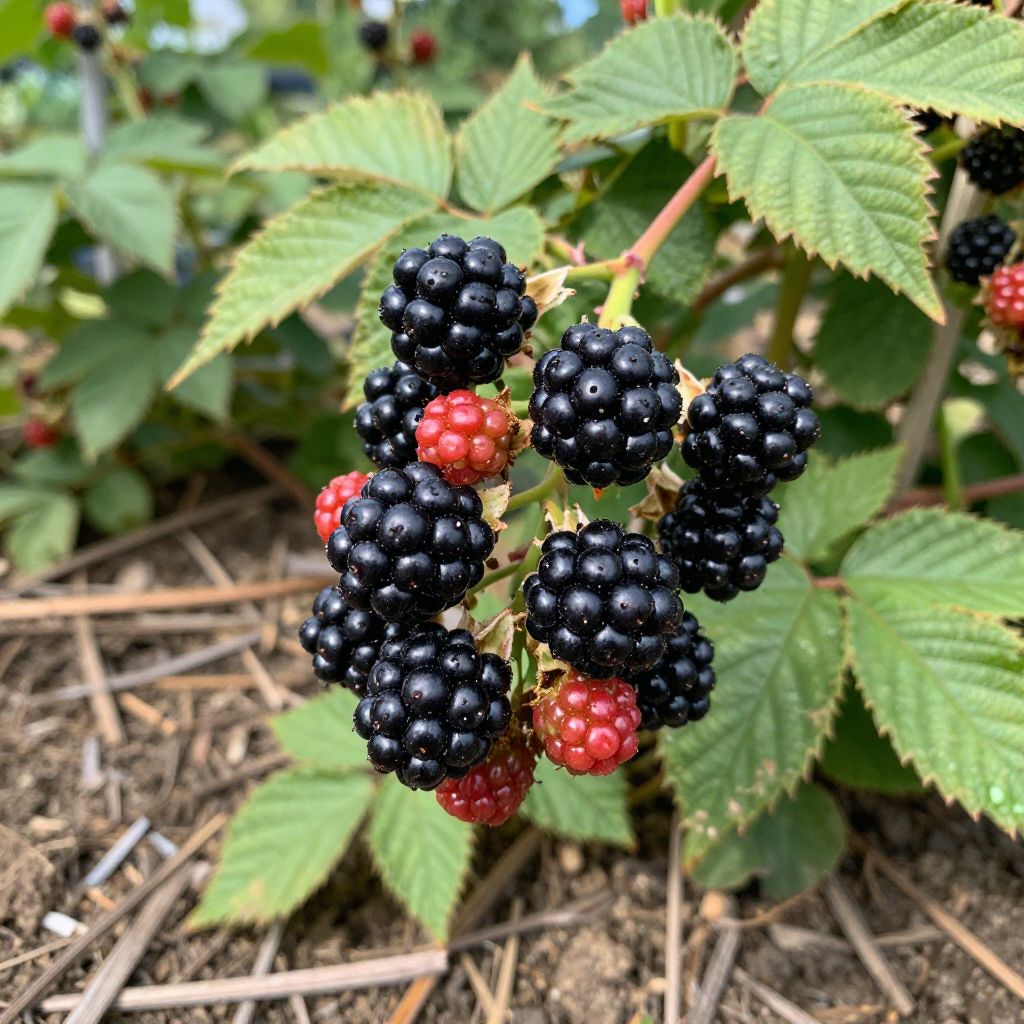
Are blackberries in season? In many gardens, yes—but the exact window depends on your climate, the type of blackberry, and whether you’re growing early, midseason, or late varieties. Blackberries usually ripen in warm weather, with the harvest period often stretching from early summer into early fall.
If you want the best flavor, it helps to know how to tell when berries are truly ripe, how to care for the plants before harvest, and how weather can shift the season by a few weeks. Good pruning, sunlight, and watering all play a part in how much fruit you get.
Are blackberries in season?
Blackberries are typically in season from late spring through late summer in many regions, though the exact timing varies by local climate and cultivar. In warm areas, they may start ripening earlier; in cooler regions, harvest can begin later and last longer. Pick only fully black, glossy berries that detach easily.
When blackberries ripen and how to tell they’re ready
Blackberries do not continue to ripen much after picking, so timing matters. A berry that is still red or partly red is not ready, and it will usually taste tart and underdeveloped.
Signs of ripe blackberries
- The fruit is deep black all over, with no red or purple patches.
- The berry looks plump and slightly dull rather than hard and shiny.
- It comes off the plant with a gentle tug.
- The flavor is sweet-tart and aromatic, not sour or grassy.
Because berries on the same cane ripen over several days, you may need to harvest every 2 to 3 days during peak season. In hot weather, check more often so fruit does not become overripe or attract insects.
Growing conditions that affect blackberry season
Healthy plants produce a better, longer harvest. Blackberries grow best in full sun, well-drained soil, and a site with good air movement. Poor growing conditions can delay ripening, reduce berry size, and increase disease pressure.
Sunlight
Give blackberries at least 6 to 8 hours of direct sun each day. More sun usually means sweeter fruit and stronger canes. In partial shade, plants may still grow, but harvests are often smaller and later.
Soil and drainage
Blackberries prefer fertile soil that drains well. Heavy, waterlogged ground can weaken roots and invite disease. If your soil is dense clay, improve it with compost and plant on a raised bed or mound if drainage is slow.
Watering
Consistent moisture supports fruit development, especially while canes are flowering and berries are swelling. Water deeply when the top few inches of soil begin to dry, but avoid keeping the root zone soggy. Mulch helps conserve moisture and reduce weeds.
Compost and feeding
A layer of compost in spring can improve soil structure and add gentle nutrition. Avoid overfeeding with high-nitrogen fertilizer, which can push leafy growth at the expense of flowers and fruit.
How to care for blackberry plants through the season
Seasonal care makes a big difference in both fruit quality and plant health. The goal is to support young canes, protect flowering growth, and keep the patch manageable.
- Mulch the base with straw, shredded leaves, or compost to hold moisture and suppress weeds.
- Water during dry spells, especially while fruit is forming.
- Train canes onto a trellis or support system so sunlight reaches the fruiting wood.
- Remove weeds that compete for water and nutrients.
- Harvest promptly as berries ripen to encourage the plant to keep producing.
Why support matters
Many blackberry types grow long, arching canes that benefit from tying in. A simple trellis improves airflow, keeps fruit cleaner, and makes picking easier. It also helps you spot pests and disease early.
Pruning and cane management for better harvests
Blackberry pruning depends on the type of plant, but the basic idea is the same: remove old, spent canes and encourage strong new growth. This keeps the plant productive and easier to harvest.
Understand primocanes and floricanes
Blackberries often fruit on second-year canes, called floricanes, while first-year canes, called primocanes, grow vegetatively. After fruiting, old canes usually decline and should be removed to make room for new growth.
Simple pruning habits
- Cut out canes that have already fruited, usually after harvest.
- Thin weak, damaged, or overcrowded canes.
- Keep the row open enough for light and air to move through.
- Use clean, sharp pruners to avoid tearing stems.
One common mistake is leaving too many canes in place. Crowding leads to smaller berries, more disease, and difficult picking. Another mistake is cutting away new growth that will carry next year’s crop.
Common pests and diseases during blackberry season
As berries ripen, pests and fungal problems become more noticeable. Regular inspection helps you catch issues before they spread through the patch.
Typical pests
- Birds peck ripe fruit and can strip a patch quickly.
- Aphids cluster on tender growth and can distort leaves.
- Spotted wing drosophila may affect soft fruit in some regions, especially as berries begin to soften.
- Japanese beetles or other local chewing insects may damage foliage.
Typical diseases
- Anthracnose can cause spots or cane damage.
- Powdery mildew appears as a white coating on leaves.
- Botrytis may rot fruit in cool, damp conditions.
- Cane blights can weaken stems and reduce next year’s crop.
To reduce problems, keep the patch clean, avoid overhead watering late in the day, and remove diseased canes promptly. Good spacing and pruning are some of the best defenses you have.
Harvesting blackberries the right way
Harvesting is easiest when you pick frequently and handle the fruit gently. Ripe blackberries bruise easily, so use a shallow container and avoid piling them too deep.
Best harvesting tips
- Pick in the cool part of the day if possible.
- Gently lift the berry; it should release with little resistance.
- Place fruit in a shallow tray or basket to prevent crushing.
- Sort out damaged or overripe berries right away.
If berries are soft, leaking, or moldy, remove them from the plant and discard them. Leaving spoiled fruit behind can attract insects and encourage fungal spread.
Can you grow blackberries if they’re not in season?
Yes. If blackberries are out of season in your area, you can still plan, plant, and maintain the patch. The best time to work on blackberry care is often before the harvest begins or after fruiting ends, when you can assess cane health and improve the planting area.
Off-season tasks
- Prune out spent canes after harvest.
- Add compost and refresh mulch.
- Check trellises, ties, and supports.
- Inspect for winter damage or disease.
- Plan expansions or replacements for weak plants.
In colder climates, dormant-season pruning and cleanup are especially useful. In milder climates, the growing season may overlap more, so watch the plant’s growth stage rather than relying only on the calendar.
Propagating and replacing blackberry plants
If your patch is aging or sparse, propagation can help you expand it. Blackberries are often propagated from tip layering, root cuttings, or by transplanting suckers, depending on the plant type and local growing conditions.
What to know before propagating
Use healthy, disease-free plants only. If a patch has shown cane disease or repeated dieback, it is usually better to replace it than to spread problems to new plants.
Quick troubleshooting if your berries are late or sparse
If you’re asking “Are blackberries in season?” because your plant is not producing, the issue may be more about plant health than the calendar.
- Too much shade: Move or prune nearby plants to increase sunlight.
- Poor pollination or weather stress: Cool, wet, or windy conditions can reduce fruit set.
- Overcrowded canes: Thin the patch for better light and airflow.
- Too much nitrogen: You may get leafy growth with fewer berries.
- Old canes left in place: Remove spent canes so new fruiting wood can develop.
Also remember that young plants may take time to establish before they produce heavily. A newly planted blackberry patch often needs a season or two to settle in before it reaches full cropping potential.
Conclusion: make the most of blackberry season
Blackberries are in season when the fruit is fully black, easy to pick, and sweetly flavored, but the exact timing depends on your region and the plant’s growing conditions. Give your plants sun, drainage, support, and regular pruning, and you’ll usually get a better harvest over a longer season.
If you want to improve your patch next year, start by checking cane structure, adding compost, and removing spent growth after harvest. For more seasonal berry-growing guidance, you may also find it helpful to read about pruning berry canes and improving garden soil with compost.
Leave a Reply