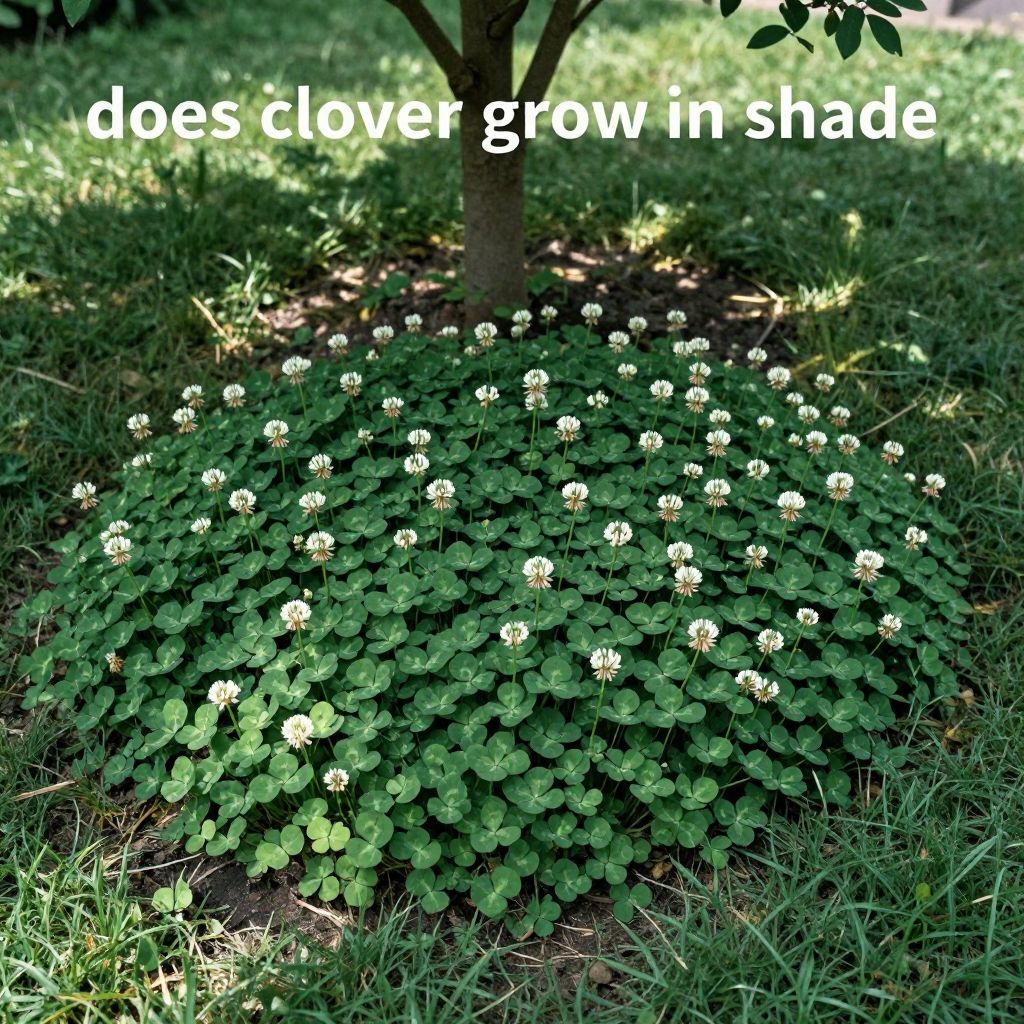
Does clover grow in shade? Yes, but usually not as vigorously as it does in brighter light. Clover can tolerate partial shade, especially in cooler climates or under open tree canopies, but dense shade often leads to thin, weak growth and fewer flowers.
If you want clover for a lawn, ground cover, or pollinator patch, the amount of light matters just as much as soil and moisture. The good news is that with the right site and a few care adjustments, you can often get clover established in spots that are not fully sunny.
Does Clover Grow In Shade?
Clover can grow in light to moderate shade, especially where it still receives several hours of filtered sun or bright indirect light each day. It struggles in deep shade, where stems stretch, leaves stay sparse, and the plant competes poorly with moss, roots, and other shade-loving ground covers.
How Much Shade Clover Can Tolerate
Most clovers do best with at least partial sun. As shade increases, growth slows and the stand becomes thinner, but some clover can still survive if the shade is not too heavy.
What counts as “shade” for clover?
- Full sun: 6 or more hours of direct sun daily.
- Partial shade: About 3 to 6 hours of sun, often morning sun or dappled light.
- Light shade: Bright, filtered light for much of the day.
- Deep shade: Little to no direct sun, such as under dense evergreens or tightly packed trees.
In partial shade, clover may still produce a usable ground cover. In deep shade, it usually becomes patchy and is often outcompeted by roots, leaf litter, and low light.
Why shade changes clover growth
Clover uses sunlight to build dense foliage and, when conditions are right, to flower. Less light means less energy, so the plant often grows taller and thinner as it reaches for sun. That weak growth is more likely to be damaged by foot traffic, drought, or disease.
Best Clover Types for Shadier Spots
If you are planting in a shaded area, choosing the right clover type improves your chances. Not every clover behaves the same way in lower light.
White clover
White clover (Trifolium repens) is the most common lawn clover and is often the best choice for partial shade. It spreads by creeping stems, so it can fill in gaps better than clump-forming types.
Microclover
Microclover is a smaller form of white clover often used in lawns. It can handle some shade, but it still performs best with at least a few hours of sun. In heavier shade, it may thin out over time.
Red clover
Red clover (Trifolium pratense) generally prefers more sun and is less suited to shaded lawns or ground cover plantings. It is better for sunny meadow-style areas than for low-light spaces.
What Clover Needs to Grow Well in Shade
Shade is only one part of the equation. Clover also needs the right soil, drainage, and moisture balance to stay healthy.
Soil conditions
- Drainage: Clover dislikes soggy soil. Wet roots in shade often lead to weak growth and disease.
- Soil texture: Loose, moderately fertile soil is easier for roots to spread through.
- pH: Clover generally prefers neutral to slightly acidic soil, though it is adaptable in many gardens.
If your shaded area has compacted soil, aerating or loosening the top layer before planting can help. A thin topdressing of compost can improve structure without burying the seed too deeply.
Moisture balance
Shaded areas often stay damp longer, which can be helpful at first. But too much moisture can encourage rot and fungal problems. Aim for evenly moist soil during establishment, then let the surface dry slightly between waterings.
Airflow matters
Good airflow helps clover dry more quickly after rain or irrigation. In tight, humid shade, especially near walls or under dense shrubs, disease pressure increases.
How to Plant Clover in a Shaded Area
Planting clover in shade is similar to planting it in sunnier spots, but site preparation matters even more. Start by improving light, soil contact, and drainage as much as you can.
- Check the light: Observe the area through the day. If it gets morning sun or dappled light, clover has a better chance than in constant shade.
- Clear debris: Remove thick leaf litter, weeds, and moss that may block seed-to-soil contact.
- Loosen the surface: Rake or lightly cultivate the top layer so seed can settle into the soil.
- Improve soil if needed: Mix in a thin layer of compost if the soil is poor or compacted. Avoid overfeeding with rich fertilizer, which can favor grass and weeds over clover.
- Sow evenly: Scatter seed according to the package directions for the area size, then press it into the soil gently.
- Water lightly: Keep the seedbed consistently moist until germination and establishment, but not waterlogged.
For shaded lawns, overseeding thin areas often works better than starting from scratch. Clover can weave into existing turf if the grass is not too dense and the area still gets enough light.
Care Tips for Clover in Shade
Once established, clover in shade usually needs less attention than many lawn plants, but it still benefits from a few simple habits.
Water carefully
Shade reduces evaporation, so shaded clover often needs less frequent watering than clover in full sun. Water when the top layer of soil begins to dry, especially during establishment or dry spells.
Avoid frequent shallow watering. It can keep the surface constantly damp and encourage weak roots and fungal issues.
Mow or trim with restraint
If you are using clover in a lawn, avoid mowing too short. Taller growth helps shaded clover capture more light. Keep mowing high enough that the plant can retain enough leaf area to stay vigorous.
Limit fertilizer
Clover fixes its own nitrogen, so it usually does not need much nitrogen fertilizer. In shaded areas, too much fertilizer can encourage fast, floppy growth and increase competition from grasses.
Refresh thin spots
If the area starts to open up, overseed thin patches rather than waiting for the stand to fail. Shaded clover often performs best when you maintain it gradually instead of expecting dense growth all season long.
Common Problems When Clover Grows in Shade
Most shade-related clover problems come from too little light, too much moisture, or competition from other plants. Knowing the signs helps you correct the issue early.
Thin, leggy growth
This usually means the clover is reaching for light. If possible, prune back overhanging branches, thin nearby shrubs, or move the planting to a brighter area.
Patchy coverage
Patchiness is common in shade because clover spreads more slowly there. Overseed thin areas and improve soil contact by raking away debris before sowing.
Yellowing or decline
Yellow leaves can point to poor drainage, root stress, or too much shade. Check whether water is pooling after rain and whether the site gets enough light for the plant to photosynthesize well.
Fungal problems
Humid shade can encourage leaf spots and other fungal issues. Improve airflow, avoid overhead watering late in the day, and remove heavily affected growth if needed.
When Clover Is Not the Best Choice
There are times when the honest answer to “Does clover grow in shade?” is “not well enough for your purpose.” If the site is deeply shaded, constantly damp, or crowded by tree roots, clover may never form a reliable cover.
In those conditions, you may need to consider a different ground cover or reduce shade by pruning trees and shrubs. Clover is a better fit for bright shade than for the darkest corners of the garden.
Practical Troubleshooting Checklist
- Does the area receive at least a few hours of sun or bright filtered light?
- Is the soil draining well after rain?
- Is the clover seed actually reaching the soil, not sitting on leaf litter?
- Are nearby plants stealing too much light, water, or root space?
- Is the area staying damp for long periods?
If you answer “no” to the first two questions, clover will likely struggle no matter how carefully you water it. Light and drainage are the most important factors to fix first.
Conclusion: The Best Way to Grow Clover in Shade
Clover can grow in shade, but it performs best in light shade or partial shade rather than deep, dense shade. Give it the brightest site available, prepare the soil well, and keep moisture balanced so the plants can establish strong roots.
If you are planning a shaded lawn or ground cover, assess the light first, then overseed a small test patch before planting the whole area. For more help choosing the right low-light planting approach, you may also want to read related gardening guidance on lawn care and ground covers.
Leave a Reply