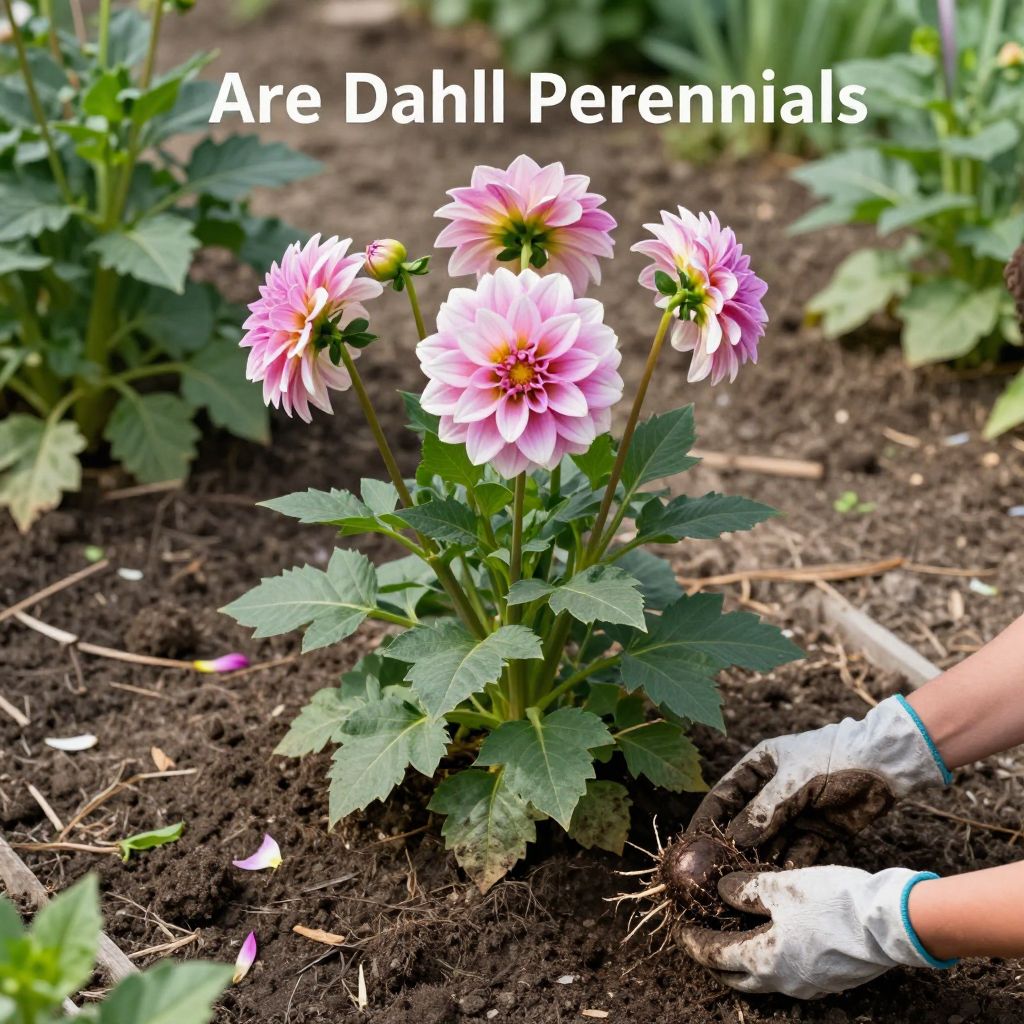
Are dahlias perennials? The short answer is yes, but only in the right climate and growing conditions. Dahlias are tender perennials, which means they can return year after year where winters are mild, but in colder regions the tubers usually need to be lifted and stored indoors.
If you want dahlias to come back reliably, the key is understanding how your local winter temperatures, soil drainage, and storage routine affect the tubers. With a little planning, you can enjoy them for many seasons even if you garden in a frost-prone area.
Are Dahlia Perennials?
Yes, dahlias are perennials, but they are not hardy everywhere. In warm climates, the tubers can survive in the ground and regrow each spring. In cold-winter areas, frost usually kills the top growth and may rot the tubers unless you dig them up and store them dry and cool.
What Makes Dahlias Return Year After Year?
Dahlias grow from fleshy underground tubers, not true bulbs. Those tubers store energy for the next season, and if they stay healthy through winter, they can sprout again when soil warms up.
Tubers vs. bulbs
Many gardeners call dahlia storage organs “bulbs,” but technically they are tubers. That matters because tubers are more sensitive to cold, wet soil, and rot than many true bulbs.
Why climate matters so much
Dahlias are tender perennials in most gardens. They can survive outdoors year-round only where winter temperatures stay mild enough to avoid freezing the tubers or where the soil drains quickly and stays relatively dry.
How to Grow Dahlias So They Come Back
If you want perennial performance from dahlias, focus on strong plants, healthy tubers, and good end-of-season care. The better the growing conditions, the more likely the tubers are to store enough energy for another year.
Choose the right planting site
- Sunlight: Give dahlias full sun for best flowering, ideally at least 6 hours a day.
- Soil: Use fertile, loose soil that drains well.
- Airflow: Space plants so leaves dry quickly after rain or watering.
Heavy, soggy soil is one of the biggest reasons dahlias fail to return. Tubers sitting in wet ground are much more likely to rot than those in well-drained beds.
Planting basics
Plant tubers after your frost risk has passed and the soil has begun to warm. In cool climates, planting too early can lead to rot before growth starts.
- Prepare the bed with compost or well-rotted organic matter.
- Dig a hole deep enough to place the tuber without bending the neck.
- Set the tuber horizontally with the growing eye facing up if visible.
- Cover lightly and water sparingly until shoots appear.
Overwatering newly planted tubers is a common mistake. Until the plant is actively growing, too much moisture can cause decay.
Watering during the season
Once growth begins, dahlias need regular moisture, especially in hot weather. Aim for deep watering that reaches the root zone rather than frequent shallow sprinkling.
- Water more during heat, wind, or dry spells.
- Reduce watering if your soil holds moisture well.
- Avoid soaking the crown repeatedly, especially in cool weather.
Feeding and support
Moderate feeding helps dahlias build strong tubers, but too much nitrogen can produce lots of leafy growth and fewer flowers. A balanced approach is best.
- Mix compost into the soil before planting.
- Use a support stake or cage for taller varieties.
- Pinch young plants if you want bushier growth and more stems.
How to Overwinter Dahlia Tubers
In colder regions, overwintering is what turns dahlias from a one-season flower into a repeat performer. The goal is to keep the tubers alive without letting them freeze, rot, or dry out completely.
If you garden in a mild-winter area
In some climates, you can leave tubers in the ground. Even then, success depends on drainage and winter wetness as much as temperature. If your soil stays wet in winter, lifting tubers may still be safer.
If you garden in a cold-winter area
Dig tubers after the first frost blackens the foliage, or before hard freezes if your climate turns sharply cold. Let the clumps dry briefly, then store them in a cool, frost-free place.
Simple storage steps
- Cut stems down to a few inches after frost.
- Carefully lift the tuber clump with a fork or spade.
- Shake off excess soil and let the clump dry for a short time.
- Store in breathable material such as dry peat-free packing medium, paper, or cardboard with airflow.
- Check occasionally for shriveling or rot.
Storage should be cool, dark, and dry enough to prevent rot but not so dry that the tubers collapse. The exact method you use may need adjustment based on your basement, garage, or shed conditions.
Common Reasons Dahlias Don’t Come Back
When dahlias fail to return, the problem is often not the plant itself but winter damage, poor drainage, or storage mistakes. Knowing the likely causes helps you correct them next season.
1. Frost damage
Hard freezes can kill tubers left in the ground. If your area gets repeated freezing and thawing, the risk increases.
2. Rot from wet soil
Dahlias hate sitting in soggy ground. Clay soil, low spots, and poor drainage can destroy tubers even in relatively mild winters.
3. Improper storage
Stored tubers can dry out, mold, or rot if conditions are too warm, too damp, or poorly ventilated. Check them during winter rather than forgetting them until spring.
4. Weak or damaged tubers
Small, shriveled, or broken tubers may not have enough stored energy to sprout. Healthy clumps with a firm crown and visible eyes are more likely to regrow.
How to Tell If Dahlia Tubers Are Still Alive
Before you discard a clump, inspect it carefully. A tuber can look unimpressive and still be viable if the crown and eyes are intact.
- Firmness: Healthy tubers usually feel firm, not hollow or mushy.
- Crown condition: The crown should not be blackened and rotten.
- Eyes: Look for small buds near the crown, where new growth starts.
- Odor: A sour or rotten smell usually means decay.
If a tuber is slightly shriveled but firm, it may still sprout. If it is soft, slimy, or badly moldy, it is unlikely to recover.
Propagating Dahlias for More Plants
If you want more dahlias, you can divide tubers in spring or take cuttings from emerging shoots. Division is the most common method for home gardeners and is a good way to preserve named varieties.
Dividing in spring
Wait until you can clearly see eyes or new shoots. Each division needs at least one viable eye and a healthy piece of tuber attached to the crown.
- Use a clean, sharp knife or pruners.
- Make sure each section has a bud point.
- Discard any soft or rotten parts.
Cuttings
Some gardeners root dahlia cuttings from young shoots. This can produce more plants, but it takes a little more care and is usually best for gardeners comfortable with propagation basics.
Pests and Diseases That Affect Perennial Dahlia Success
Healthy tubers and good airflow reduce many problems, but dahlias can still face pests and disease. Catching issues early helps protect both the current flowers and next year’s tubers.
Common pests
- Slugs and snails: Often chew young shoots and leaves.
- Aphids: Cluster on new growth and buds.
- Earwigs: May damage petals and tender growth.
Common diseases
- Powdery mildew: More likely in crowded plantings or dry, dusty conditions with poor airflow.
- Rot: Usually linked to wet soil or poor storage.
- Viral problems: Can cause distorted or mottled foliage and reduced vigor.
Good sanitation matters. Remove diseased foliage, clean tools between plants, and avoid saving tubers from plants that showed serious virus-like symptoms.
Best Practices for Long-Term Dahlia Care
If your goal is to keep dahlias returning for many years, treat them as a seasonal routine rather than a plant you can ignore. A little attention at planting, during growth, and at storage time makes a big difference.
- Plant in full sun with excellent drainage.
- Mulch lightly if your climate and soil conditions allow it, but do not bury the crown in cold, wet soil.
- Stake tall varieties before they flop.
- Deadhead spent blooms to encourage more flowers.
- Lift and store tubers where winters are too cold or wet for survival.
In short, dahlias are perennial by nature, but whether they behave like perennials in your garden depends on winter conditions and how you care for the tubers. If you want them to return, start by improving drainage and planning your overwintering method now, before the first frost arrives.
For more practical seasonal guidance, you may also want to read about dahlia growing care and how to plant and store dahlias.