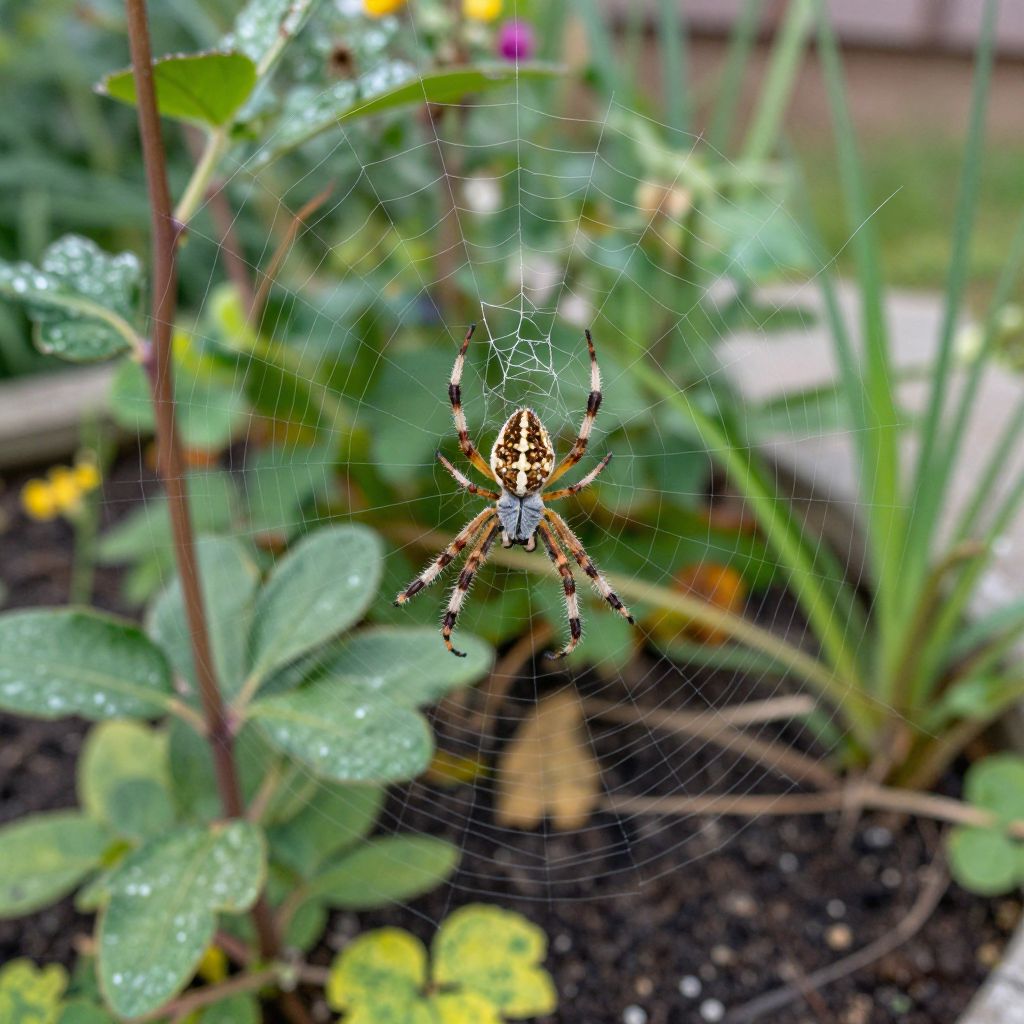
Are garden spiders poisonous? If you’ve spotted a large web-builder in your beds, borders, or vegetable patch, the short answer is usually no in the way most gardeners mean it. Garden spiders are generally beneficial predators, and while some can bite, they are not considered dangerous to healthy adults in typical garden settings.
What matters most is learning to identify the spider, avoid unnecessary handling, and make sensible choices if you garden where spiders are active. A calm, practical approach helps you protect both yourself and the helpful insects that keep pests in check.
Are garden spiders poisonous?
Garden spiders are not usually dangerous to people. Most species found in yards and flower beds have venom used to subdue insects, but their bites are rare and typically mild, causing only temporary redness or irritation. In the garden, they are best treated as helpful predators rather than pests.
What “poisonous” really means in the garden
People often use “poisonous” when they really mean venomous. Poison is swallowed or touched; venom is injected by a bite or sting. Garden spiders are venomous to their prey, but that does not automatically make them a problem for gardeners.
Why spiders are useful in planting beds
Many common garden spiders feed on flies, aphids, moths, beetles, and other soft-bodied insects. That makes them part of natural pest control, especially in mixed borders, vegetable gardens, and around compost areas where insects gather.
- They help reduce pest pressure without sprays.
- They are most active where there is cover, moisture, and insect food.
- They often indicate a healthy, biodiverse garden.
How to identify common garden spiders safely
Because “garden spider” is a broad term, identification is more useful than guessing. Many harmless orb-weavers and other web-spinning spiders are common in gardens, and they are usually more interested in catching insects than interacting with you.
What to look for
- Web type: Orb-weavers make classic wheel-shaped webs between shrubs, stakes, fences, and tall stems.
- Body shape: Many garden spiders have rounded abdomens and long legs.
- Behavior: They usually stay still in the web or retreat when disturbed.
- Location: You may find them in flower borders, vegetable rows, hedges, sheds, and around outdoor lights.
If you are unsure whether a spider is harmless or potentially medically significant in your area, do not handle it. Use a local extension service, pest guide, or regional wildlife resource for identification.
Are garden spiders poisonous to plants?
No. Garden spiders do not damage roots, stems, leaves, flowers, or fruit. They do not feed on plants, and they do not spread plant diseases the way some insects do. If you see webbing in a bed, it is usually a sign of spider activity, not plant injury.
When webbing is not a spider problem
Sometimes gardeners mistake spider webs for other issues. Fine webbing on houseplants, for example, can be a sign of spider mites rather than spiders. In outdoor gardens, sticky clusters or webbing on foliage may also come from caterpillars or other pests.
- Spider webs: Usually stronger, more structured, and often between supports.
- Spider mites: Tiny pests that cause speckled leaves and fine webbing on the undersides of leaves.
- Caterpillar webs: Often involve leaves being tied together or skeletonized.
What to do if you find a garden spider
In most cases, the best action is to leave it alone. If a web is in a walkway, near a door, or across a harvesting path, you can gently relocate the spider rather than killing it.
Safe relocation steps
- Wait until evening or early morning when the spider is less active.
- Use a jar, cup, or container to cover the spider if it is exposed.
- Slide a stiff card or piece of cardboard underneath.
- Carry it to a shrub, fence line, or quiet corner of the garden.
- Release it close to vegetation where it can rebuild a web.
Wear gloves if you are nervous, but avoid squeezing webs or grabbing spiders by hand. Quick, rough handling is what usually leads to bites.
Garden safety: how to avoid spider bites while working outdoors
Spider bites are uncommon in normal gardening, but a few simple habits lower the risk further. The goal is not to fear spiders, but to work carefully around sheltered places where any small animal may hide.
Practical prevention tips
- Wear gloves when moving pots, logs, stones, or stored tools.
- Shake out boots, gloves, and kneeling pads before use.
- Check under raised-bed edges, benches, and compost bin lids.
- Use a flashlight when working in sheds, greenhouses, or at dusk.
- Keep clutter down so spiders have fewer hiding places near work areas.
If you garden in a warm climate or a region known for medically important spiders, be extra cautious around undisturbed storage areas, woodpiles, and dense groundcover. Local species matter more than general internet advice.
What a garden spider bite looks like
Most bites from common garden spiders are mild. You may notice a small red spot, slight swelling, itching, or a brief burning feeling. Serious reactions are unusual, but any bite should be watched for changes over the next several hours.
Basic first aid for a mild bite
- Wash the area with soap and water.
- Apply a cool compress to reduce swelling.
- Avoid scratching the bite.
- Monitor for spreading redness, increasing pain, or unusual symptoms.
Seek medical advice promptly if you develop severe pain, muscle cramps, trouble breathing, dizziness, or a rapidly worsening reaction. If you can safely do so, note the spider’s appearance for identification, but never risk another bite to capture it.
How to make your garden less spider-friendly without harming plants
Sometimes you may want fewer spiders near patios, doorways, or children’s play areas. You can reduce spider activity there without turning the whole garden into a sterile space.
Low-impact ways to discourage webs
- Trim back plants that touch paths, doors, and seating areas.
- Remove old webs regularly with a broom or soft brush.
- Keep outdoor lights off when possible, since lights attract insects that spiders feed on.
- Store pots, hoses, and tools neatly instead of leaving them piled up.
- Move dense mulch, stacked wood, or debris away from high-traffic areas.
Avoid broad insecticide use just to control spiders. Sprays often kill beneficial insects first and can leave your garden with more pest problems later. If you must treat a specific area, use the least disruptive option and follow local guidance.
Common mistakes gardeners make with spiders
Most spider problems in gardens come from misunderstanding, not from the spiders themselves. A few common mistakes can create unnecessary risk or reduce beneficial insect control.
- Killing every spider on sight: This removes natural pest control.
- Handling spiders bare-handed: This increases bite risk.
- Confusing spiders with mites or caterpillars: This leads to the wrong treatment.
- Using broad sprays too often: This can harm pollinators and other helpful insects.
- Ignoring clutter near sheds and beds: This creates more hiding spots.
When to be more cautious
Most garden spiders are harmless, but caution is wise if you live where more medically significant spiders occur. Learn the local species that matter in your region, especially if you garden near woodpiles, outbuildings, compost bins, or undisturbed corners.
Extra caution is sensible if you notice
- Spiders inside gloves, boots, or stored garden clothing.
- Repeated webs in sheltered corners of sheds or greenhouses.
- Large spiders in stacked materials you move by hand.
- Any spider you cannot confidently identify.
In those situations, use gloves, long sleeves, and a tool rather than your hands. Good garden hygiene and careful handling are usually enough.
Supporting a balanced garden ecosystem
Rather than trying to eliminate spiders, aim for balance. A healthy garden has predators, pollinators, and pests all interacting, with enough structure and cleanup to keep things manageable for you.
Simple maintenance that helps
- Deadhead and prune regularly so webs do not build across paths.
- Keep mulch and compost tidy, but not overly dry or neglected.
- Inspect stakes, trellises, and tomato cages before reaching in.
- Water plants at the base when possible to avoid creating overly dense, damp foliage where insects gather.
This kind of routine care keeps the garden productive while still allowing beneficial predators to do their job.
Conclusion: what you should do next
If you are asking, “Are garden spiders poisonous?” the practical answer is that they are usually not a threat to gardeners and are often helpful in the landscape. Learn to identify them, avoid handling them, and relocate only when they are in the way. For more pest-smart garden reading, you may also want to review how to identify beneficial insects in the garden and safe ways to manage garden pests without harsh sprays.
Leave a Reply