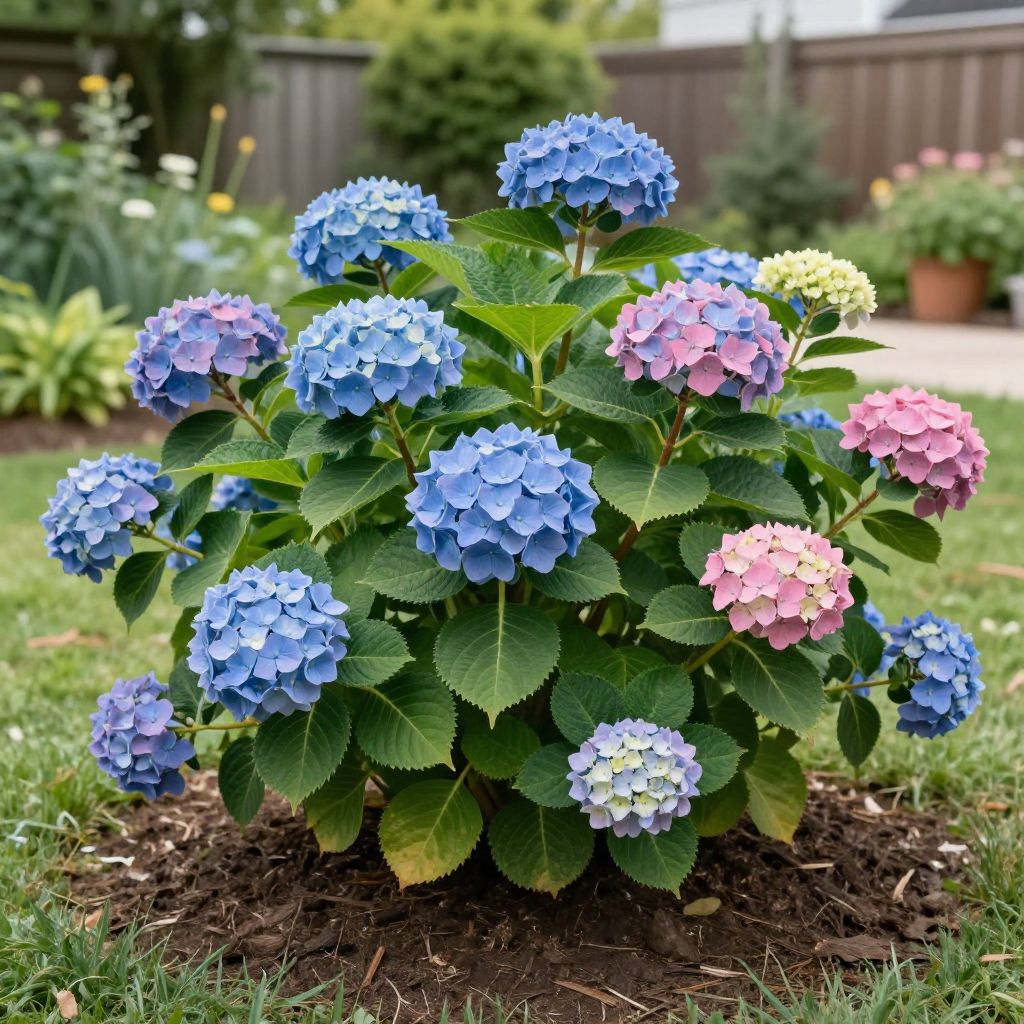
Are hydrangeas perennials? Yes—most hydrangeas are perennial shrubs, meaning they live for many years and return each season from the same root system. In the right climate and with proper care, they can become long-lived landscape plants that bloom reliably year after year.
The exact performance depends on the type of hydrangea, your winter temperatures, and how well the plant is matched to its site. Some hydrangeas are very hardy, while others may die back in cold weather or struggle if they are planted in too much sun, shade, or poorly drained soil.
Are hydrangeas perennials?
Hydrangeas are perennial woody shrubs, not annuals. They typically survive winter and regrow from living stems or buds in spring, though some types may die back to the ground in colder regions and still return from the roots. Their longevity depends on species, hardiness, and care.
What kind of perennial is a hydrangea?
Hydrangeas are perennial shrubs with either old-wood or new-wood flowering habits. That matters because it affects pruning, winter survival, and whether a cold snap can reduce blooms. The plant may look dormant in winter, but the root system remains alive underground.
Common hydrangea types
- Bigleaf hydrangea (Hydrangea macrophylla) — often grown for large mophead or lacecap flowers; can be more sensitive to cold.
- Panicle hydrangea (Hydrangea paniculata) — generally hardy and reliable, with cone-shaped blooms.
- Smooth hydrangea (Hydrangea arborescens) — dependable in many climates and usually blooms on new wood.
- Oakleaf hydrangea (Hydrangea quercifolia) — valued for foliage as well as flowers, with good ornamental value across seasons.
If you are wondering whether a hydrangea will come back in your yard, the answer is usually yes, but the details matter. A plant that is perennial in one region may need winter protection or a more sheltered site in another.
How to tell if your hydrangea will return each year
Start by identifying the type you planted and checking its cold hardiness for your area. Then look at how it flowers. If it blooms on old wood, winter damage can reduce flowering even if the plant survives. If it blooms on new wood, it is often more forgiving after a hard winter.
Signs your hydrangea is healthy and perennial
- Stems stay firm and woody, not mushy or blackened.
- New growth appears from buds or the base in spring.
- The root zone is not waterlogged or constantly dry.
- Leaves emerge normally after dormancy.
- Flower buds form in the expected season for that type.
Best growing conditions for perennial hydrangeas
Hydrangeas do best in moist, well-drained soil with moderate sunlight and steady care. They are not difficult plants, but they dislike extremes. The right site helps them live longer, bloom better, and recover more easily from heat, drought, or winter stress.
Light
Most hydrangeas prefer morning sun and afternoon shade, especially in hot climates. In cooler regions, they may tolerate more sun if the soil stays evenly moist. Too much shade can reduce flowering, while harsh afternoon sun can scorch leaves and stress the plant.
Soil
Use rich, well-drained soil with plenty of organic matter. Hydrangeas appreciate compost mixed into the planting area because it improves moisture retention without making the soil soggy. Heavy clay can work if drainage is improved, while very sandy soil may need more organic matter to hold moisture.
Water
Hydrangeas like consistent moisture, especially during establishment and hot weather. Water deeply so moisture reaches the root zone, then let the surface begin to dry slightly before watering again. Avoid frequent shallow watering, which encourages weak roots.
Drainage
Good drainage is essential. If water stands around the roots, hydrangeas can decline even though they are “moisture-loving” plants. If your soil stays wet after rain, consider planting on a slight mound, improving the soil structure, or choosing a better-drained site.
Planting hydrangeas for long-term success
Because hydrangeas are perennial shrubs, planting them correctly matters as much as choosing the right variety. A well-planted shrub settles in faster, handles seasonal stress better, and is more likely to return strongly for many years.
- Choose a site with the right light for your climate.
- Dig a hole as deep as the root ball and about 2 times as wide.
- Loosen circling roots gently if the plant is pot-bound.
- Set the plant at the same depth it was growing in the container.
- Backfill with native soil amended lightly with compost if needed.
- Water thoroughly after planting to settle the soil.
- Mulch with 2 to 3 inches of organic mulch, keeping it away from the stems.
Do not bury the crown too deeply. Planting too low can lead to rot and poor growth. Mulch helps conserve moisture, but piling it against the stems can create disease problems and invite pests.
Pruning hydrangeas without losing blooms
Pruning is one of the most common reasons hydrangeas fail to bloom well. The key is knowing whether your hydrangea flowers on old wood, new wood, or both. If you prune at the wrong time, you may remove next season’s flower buds.
Pruning basics by type
- Old-wood bloomers should generally be pruned lightly, right after flowering, if needed.
- New-wood bloomers can usually be cut back in late winter or early spring before new growth starts.
- Remove dead, damaged, or crossing stems anytime you notice them.
If you are unsure which type you have, limit pruning to dead wood and spent flowers until you can identify the plant more confidently. That is safer than cutting hard and accidentally removing the next bloom cycle.
Winter care and cold-weather survival
Hydrangeas are perennial, but winter can affect how well they bloom the following season. In colder climates, stems may die back even when the root system survives. Some plants recover fully, while others need extra protection to preserve buds.
Winter protection tips
- Apply mulch after the ground cools to help buffer temperature swings.
- Choose sheltered planting spots away from harsh wind.
- Avoid late-season fertilizer that encourages tender new growth.
- For tender types, consider burlap wind protection in exposed sites.
Do not remove winter-damaged stems too early if you are not sure where the buds are. Wait until spring growth begins so you can see what is alive and what is dead.
Common problems that affect hydrangea longevity
Even though hydrangeas are perennials, a stressed plant may look weak, sparse, or fail to bloom. Most issues are related to water, light, pruning, or weather rather than the plant being short-lived.
Why hydrangeas stop blooming
- Pruned at the wrong time.
- Winter killed the flower buds.
- Too much shade reduced bud formation.
- Too much nitrogen encouraged leafy growth instead of flowers.
- Late frosts damaged tender new growth.
Leaf problems and pests
Hydrangeas can develop leaf spots, powdery mildew, or stress-related browning, especially in humid conditions or where air circulation is poor. Aphids, spider mites, and scale may also appear, though serious pest damage is less common in healthy plants.
- Space plants properly for airflow.
- Water at the base rather than overhead when possible.
- Remove badly spotted leaves and clean up fallen debris.
- Inspect new growth regularly for insects.
Healthy roots and steady moisture prevent many hydrangea problems. If the plant is repeatedly drought-stressed or sitting in soggy soil, it will be more vulnerable to pests and disease.
How to keep hydrangeas coming back strong
Long-lived hydrangeas usually need only a few consistent habits. These shrubs do not require complicated routines, but they do respond well to regular care that supports root health and flower bud formation.
Simple maintenance checklist
- Water deeply during dry spells.
- Refresh mulch each year as needed.
- Prune according to the plant’s bloom type.
- Remove dead wood in spring.
- Check for winter damage after cold spells.
- Feed lightly with compost rather than overfertilizing.
If your soil is poor, top-dressing with compost in spring can help. In many gardens, that is enough to support steady growth without pushing the plant into excessive leafy growth.
Can you propagate hydrangeas?
Yes, many hydrangeas can be propagated from cuttings, which is useful if you want more plants from a shrub that is already thriving. Softwood or semi-ripe cuttings are commonly used, depending on the plant and season.
Basic propagation approach
- Take a healthy, non-flowering stem cutting.
- Remove the lower leaves and keep a few leaves at the top.
- Place the cutting in a moist, well-draining rooting medium.
- Keep it warm, bright, and out of direct sun.
- Maintain even moisture until roots form.
Propagation success varies with species, timing, and conditions. If you are new to it, start with one or two cuttings rather than many, and keep expectations realistic.
Using hydrangeas in the landscape
Because hydrangeas are perennial shrubs, they work well as foundation plants, border shrubs, mixed beds, and informal hedges. Their long season of interest can add structure even when they are not blooming, especially types with attractive foliage or dried flower heads.
Place them where their mature size will fit comfortably. Crowding them too close to walls, paths, or other shrubs can reduce airflow and make pruning and watering harder later on.
Conclusion: what to do next
If you have been asking, “Are hydrangeas perennials?” the practical answer is yes, and most are dependable long-term shrubs when matched to the right site. Identify your hydrangea type, give it well-drained soil, steady moisture, and the correct pruning approach, and it should reward you for years.
For more help with shrub care and seasonal maintenance, you may also want to read related gardening guides on pruning, mulching, and choosing the right planting site for flowering shrubs.