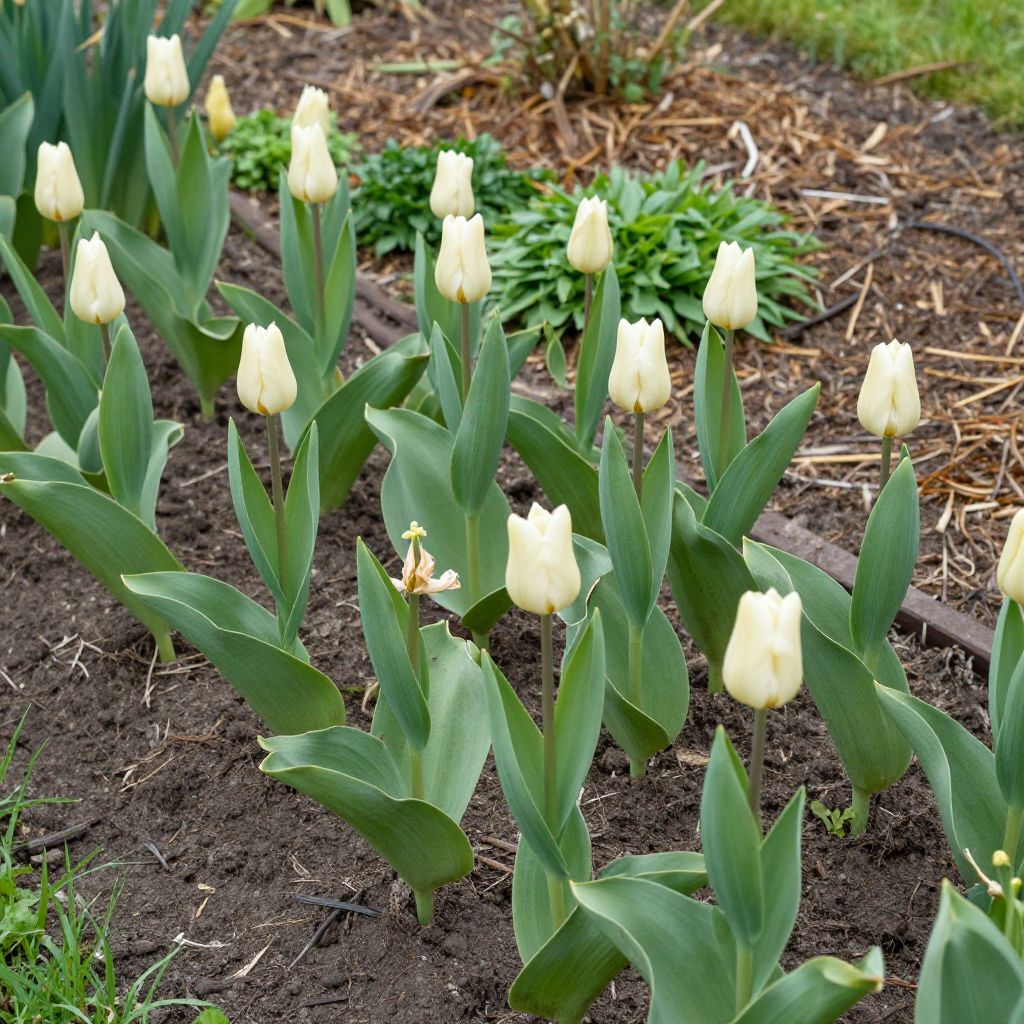
Are tulips annuals or perennials? The short answer is that tulips are technically perennials, but in many home gardens they behave more like short-lived bulbs that bloom well for one season and then weaken over time. Whether they return depends on the tulip type, your climate, soil drainage, and how well the bulbs are cared for after flowering.
If you want tulips to come back reliably, the key is not just planting them, but planting them in the right conditions and letting the foliage recharge the bulb after bloom. With good drainage, enough sun, and sensible aftercare, you can improve the odds of repeat flowering.
Are tulips annuals or perennials?
Tulips are perennial bulbs, meaning the same bulb can regrow in later years. In practice, many tulips decline after their first bloom because they need very specific conditions to rebuild energy. Gardeners often treat them as annuals when they want the biggest, most dependable display each spring.
Why tulips often act like annuals in home gardens
Tulips store energy in their bulbs. After flowering, the leaves must stay in place long enough to feed the bulb for next year’s bloom. If the plant is stressed by poor drainage, shade, heat, or early leaf removal, the bulb may survive but produce smaller flowers or none at all.
Common reasons tulips fade out
- Poor drainage that causes bulb rot or weak roots.
- Hot summers, especially in warm climates, that shorten the bulb’s rest period.
- Too much shade, which reduces energy storage.
- Cutting back foliage too soon after bloom.
- Bulbs planted too shallowly or in exhausted soil.
- Overcrowding, which can reduce flower size over time.
When tulips are more likely to perennialize
Some tulips are better at returning than others. Species tulips and certain Darwin hybrid or fosteriana types often have a better chance of reblooming than many large, showy modern hybrids. Even then, success depends on your local conditions and how closely you match the plant’s needs.
Conditions that help tulips return
- Cool winters and a proper cold period.
- Well-drained soil, ideally sandy or loamy rather than heavy clay.
- Full sun or at least strong spring light.
- Dry summer dormancy.
- Leaves left intact until they naturally yellow.
How to plant tulips for the best chance of reblooming
Planting is the foundation of tulip care. A bulb in the wrong spot may bloom once, but it usually won’t have the conditions it needs to persist. Aim for a site that drains quickly after rain and gets plenty of sun while the plant is growing in spring.
- Choose a sunny location. Tulips perform best with full sun in spring.
- Improve drainage. If your soil stays wet, raise the bed or mix in coarse organic matter to lighten it.
- Plant at the right depth. A common rule is about 2 to 3 times the bulb’s height deep, with the pointed end up.
- Space bulbs so air can move between them. Crowded bulbs are more prone to disease and decline.
- Water once after planting. Then rely on rainfall unless the soil is unusually dry before winter.
If you garden in a warm climate, choose tulips carefully and expect less reliable perennial performance. In many mild-winter areas, gardeners buy pre-chilled bulbs or treat tulips as a seasonal display rather than a long-term perennial bed.
Care tips after tulips bloom
What you do after flowering matters as much as planting. The bulb needs time to rebuild energy, and that happens through the leaves. A tulip that is cut back too early may not have enough stored food to bloom again.
Post-bloom care checklist
- Remove spent flowers so the plant does not put energy into seed production.
- Leave the foliage in place until it yellows and begins to collapse naturally.
- Water lightly if spring is dry, but avoid soggy soil.
- Do not braid, tie, or bunch the leaves; let them photosynthesize freely.
- Mark the planting area if you plan to lift or divide bulbs later.
Deadheading helps, but only the flower head should be removed. The green leaves are still working. If you cut the foliage too soon, you may get a healthy-looking plant this year and a disappointing bloom next year.
Should you lift tulip bulbs after flowering?
In some gardens, yes. Lifting and storing bulbs can help if your soil is heavy, summers are very wet, or you want to replant them in a better spot. In other gardens, leaving them in place is simpler and works well enough, especially for species tulips in well-drained beds.
When lifting makes sense
- Your soil stays wet in summer.
- Bulbs are disappearing, rotting, or producing weak blooms.
- You want to rotate the bed with annual flowers.
- You live in a climate where tulips struggle to perennialize outdoors.
How to lift and store bulbs
- Wait until the foliage has mostly yellowed.
- Dig carefully so you do not slice the bulbs.
- Brush off excess soil and discard any soft or diseased bulbs.
- Dry bulbs in a cool, airy place out of direct sun.
- Store them in a breathable container in a dry, cool location until replanting time.
Do not store bulbs in sealed plastic bags or in damp conditions. Moisture encourages rot, and tulip bulbs need good air circulation while dormant.
Soil, compost, and drainage for healthy tulips
Tulips need fertile soil, but drainage is more important than richness. A bulb sitting in waterlogged ground is much more likely to fail than one planted in average soil with decent structure. Compost can help, but it should improve texture rather than create a soggy, heavy mix.
Best soil conditions
- Loose, crumbly soil that drains well after rain.
- Moderate fertility rather than overly rich, nitrogen-heavy soil.
- Neutral to slightly acidic soil is generally suitable.
If you have clay soil, consider planting tulips in raised beds or containers. In-ground bulbs may survive, but their chances of returning are usually better when water can move away quickly.
Watering and sunlight: what tulips really need
Tulips need moisture while they are rooting and growing, but they dislike constant wetness. After planting, water enough to settle the soil. During active spring growth, water only if rainfall is lacking and the soil begins to dry out.
Light requirements
Full sun is ideal, especially in cool climates. In warmer areas, tulips may benefit from morning sun and a little afternoon protection, but too much shade will reduce flowering and weaken the bulb for the following year.
Common tulip problems and how to fix them
When tulips fail to return, the cause is usually environmental rather than mysterious. Start by checking drainage, light, and how the bulbs were handled after bloom. Most problems can be traced back to one of a few common issues.
Weak bloom or no bloom
- Likely cause: Foliage removed too early or bulbs planted in shade.
- Fix: Let leaves die back naturally and move bulbs to a brighter site next season.
Bulbs rotting
- Likely cause: Wet soil or poor drainage.
- Fix: Improve drainage, plant in raised beds, or switch to containers with drainage holes.
Short, weak stems
- Likely cause: Bulbs planted too shallowly, overcrowding, or nutrient stress.
- Fix: Replant at the proper depth and thin crowded areas.
Leaves but no flowers
- Likely cause: The bulb did not store enough energy last season.
- Fix: Focus on post-bloom care and avoid cutting foliage too soon.
Pests and diseases to watch for
Tulips are not especially high-maintenance, but they can be damaged by pests and bulb diseases. Healthy planting practices reduce the risk more effectively than trying to rescue neglected bulbs later.
Common issues
- Rodents may dig up bulbs in some gardens.
- Fungal rot can develop in wet, poorly drained soil.
- Virus problems may cause streaking, distortion, or weak growth.
- Slugs and snails can damage young shoots in damp conditions.
If a tulip looks distorted, streaked, or consistently weak, remove the bulb rather than trying to nurse it along. Diseased bulbs can spread problems to nearby plantings.
Can you propagate tulips?
Tulips multiply slowly compared with some other spring bulbs. Over time, a healthy bulb may form offsets, but many garden tulips do not increase quickly enough to create large clumps. That is one reason they are often replanted or refreshed.
If you want more tulips, the easiest approach is usually to buy and plant fresh bulbs each season or every few years. Species tulips may naturalize better than large hybrid types in the right setting.
Are tulips annuals or perennials in containers?
In containers, tulips often behave more like seasonal plants because pots dry out, heat up, and cool down faster than garden soil. The bulbs can still be perennial, but container conditions usually shorten their lifespan unless the pot is managed carefully.
Container tips
- Use a pot with drainage holes.
- Choose a free-draining potting mix.
- Protect the container from waterlogging in winter.
- After bloom, keep the foliage growing until it yellows.
- Consider replanting the bulbs in the garden after flowering if they decline in pots.
Practical answer: how to think about tulips in your garden
If you want a simple rule, treat tulips as perennials that may not perennialize well. In ideal conditions, they can return. In many home gardens, especially warm or wet ones, they are best enjoyed as reliable spring color for one strong season, with the possibility of a comeback if the site is right.
The best strategy is to plant them well, let the foliage mature, and watch how they perform in your own garden. If they return strongly, keep them. If they fade, refresh the bed with new bulbs or choose tulip types known to perform better in your climate. For more spring bulb guidance, you may also find bulb planting advice and spring bulb care tips useful.
Leave a Reply