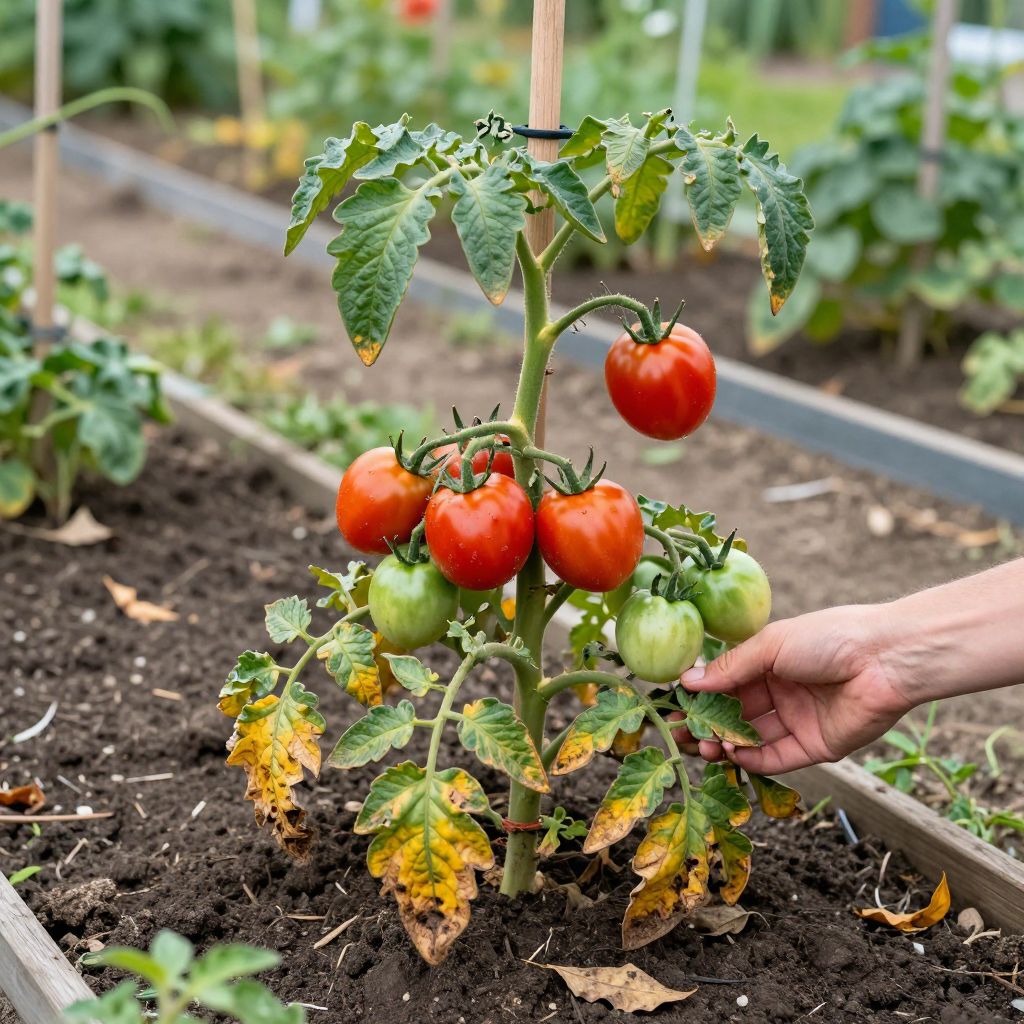
Do tomato plants come back every year? It’s a common question, especially after a productive summer garden. The short answer is that tomatoes are usually grown as annuals, so most outdoor plants die after frost or decline at the end of the season.
In warm climates, or indoors under the right conditions, tomato plants can sometimes survive longer than one season. Whether they return depends on temperature, light, disease pressure, and how you care for them after harvest.
Do tomato plants come back every year?
Tomato plants are perennial by nature, but in most home gardens they are treated as annuals because cold temperatures and frost kill them. In frost-free climates, or if you overwinter them indoors, some tomato plants can live for more than one year and produce again.
Why most tomato plants do not return outdoors
Tomatoes are tender warm-season plants. Even a light frost can damage leaves and stems, and prolonged cool weather slows growth until the plant eventually stops producing.
In many regions, the first hard frost ends the season completely. Even before that, disease, pests, and declining vigor often make the plant less productive late in the year.
What usually ends the plant’s life
- Frost damage to stems and foliage
- Cool nights that reduce growth and fruit set
- Fungal and bacterial diseases that build up over the season
- Insect pressure, especially on stressed plants
- Natural aging after heavy fruiting
Can tomato plants survive winter?
Yes, but only if they are protected from freezing. In frost-free areas, tomato plants may keep growing through winter, though they often slow down in shorter days and cooler temperatures. In colder climates, you can try overwintering them indoors, but success is not guaranteed.
Indoor overwintering works best for healthy, compact plants that are still vigorous. Large, overgrown, or diseased plants are harder to keep alive and usually not worth the effort.
Best conditions for overwintering tomatoes
- Bright light, ideally a sunny south-facing window or grow lights
- Warm indoor temperatures without cold drafts
- Good air circulation
- Clean potting mix and a pot with drainage holes
- Careful monitoring for whiteflies, aphids, and spider mites
How to overwinter tomato plants indoors
If you want to try keeping a tomato plant alive for another year, move it inside before nights become cold. Do not wait until frost has already damaged the plant.
- Choose a healthy plant with no obvious disease spots, wilting, or heavy pest damage.
- Prune back long stems and remove damaged leaves to reduce stress.
- Dig it up carefully or move the container indoors if it is already potted.
- Inspect the plant closely for insects and rinse foliage if needed.
- Place it in the brightest location you have, or use supplemental grow lights.
- Water only when the top layer of soil begins to dry slightly.
Keep in mind that indoor tomato plants usually need more light than a typical window can provide in winter. If the plant becomes leggy, pale, or drops leaves, it is not getting enough light.
Common overwintering mistakes
- Bringing in a plant with pests or disease
- Overwatering in cool indoor conditions
- Keeping the plant in a dark room
- Expecting the plant to produce heavily all winter
- Letting the plant dry out completely between waterings
Will a tomato plant grow back from the roots?
In most climates, no. Once frost kills the top growth, the plant usually does not regrow outdoors the next spring. Tomatoes do not behave like hardy perennials that die back and reliably return from the crown in cold regions.
However, in very mild climates without freezing temperatures, a tomato plant may continue growing from the same roots for a longer period. Even then, many gardeners choose to replant each year because younger plants are often healthier and more productive.
Should you save tomato plants or start fresh?
For most home gardeners, starting fresh each season is the better choice. New transplants or direct-sown seedlings are usually easier to manage, less likely to carry disease, and more productive than an aging plant.
Saving a plant can be worthwhile if you have a favorite variety, a long frost-free season, or indoor space for winter care. But if the plant is struggling, replacing it is often the smarter option.
When to start fresh instead of overwintering
- The plant has early blight, wilt, or other disease symptoms
- Pests are difficult to control indoors
- The plant is already declining after a long harvest period
- You do not have strong indoor light
- You want a more reliable crop next season
How to help tomato plants last longer in the garden
Even if your tomato plants will not come back next year, you can extend their productive life during the current season. Strong care helps plants keep flowering and fruiting until frost.
Give them the right growing conditions
- Sunlight: Aim for at least 6 to 8 hours of direct sun daily.
- Soil: Use fertile, well-drained soil rich in compost.
- Drainage: Avoid soggy beds and containers that stay wet.
- Airflow: Space plants so leaves dry quickly after rain or watering.
Tomatoes grow best when the soil stays evenly moist but not waterlogged. Fluctuations between drought and heavy watering can cause stress, blossom-end rot, and fruit cracking.
Watering and feeding tips
- Water at the base of the plant to keep foliage dry.
- Mulch with straw, shredded leaves, or similar organic material to hold moisture.
- Feed with compost or a balanced vegetable fertilizer according to label directions and local soil needs.
- Avoid overfeeding with nitrogen, which can produce lots of leaves and fewer fruits.
Pruning and support
Staking, caging, or trellising keeps fruit off the ground and improves airflow. For indeterminate tomatoes, light pruning can help manage size and reduce crowding, but do not remove so much foliage that the plant cannot photosynthesize well.
Remove diseased leaves promptly, and clean pruning tools between plants if disease is present. This helps limit spread in the garden.
How to tell when a tomato plant is done for the season
Some plants simply run out of steam. If the plant is yellowing, heavily diseased, or producing only small amounts of fruit, it may be time to remove it and prepare the bed for next season.
Signs the plant is nearing the end
- Leaves yellow from the bottom up
- Fruit production slows noticeably
- Stems become woody and weak
- Disease spots spread despite cleanup
- Pests are difficult to control
At that point, pull the plant, remove diseased material from the garden, and do not compost infected foliage unless your compost system gets hot enough to break down pathogens safely.
Can you propagate tomato plants instead?
Yes. If you want to keep a favorite plant going, taking cuttings is often easier than overwintering a large mature plant. Tomato cuttings root readily in water or moist potting mix when taken from healthy, non-flowering stems.
This is especially useful if you want to preserve a variety you love. Rooted cuttings can be grown indoors under bright light and transplanted later when conditions improve.
Simple cutting method
- Cut a 4- to 6-inch healthy stem below a leaf node.
- Remove the lower leaves.
- Place the cutting in water or moist potting mix.
- Keep it warm and bright, out of direct harsh sun at first.
- Transplant once roots are well formed.
What to do after harvest
After the final harvest, clean up the bed to reduce disease and pest problems for the next season. Healthy plant debris can sometimes be composted depending on your composting method, but diseased material is best discarded.
Then improve the soil with compost, check drainage, and plan crop rotation. Avoid planting tomatoes or other nightshades in the same spot year after year if disease has been a problem.
Conclusion
So, do tomato plants come back every year? Usually not in outdoor gardens, but they can survive longer in frost-free climates or indoors with careful overwintering. If you want the best results, grow them as annuals, and only try to save the strongest plants.
For more tomato-growing help, look for guidance on soil preparation, pruning, and disease prevention before your next planting season.
Leave a Reply