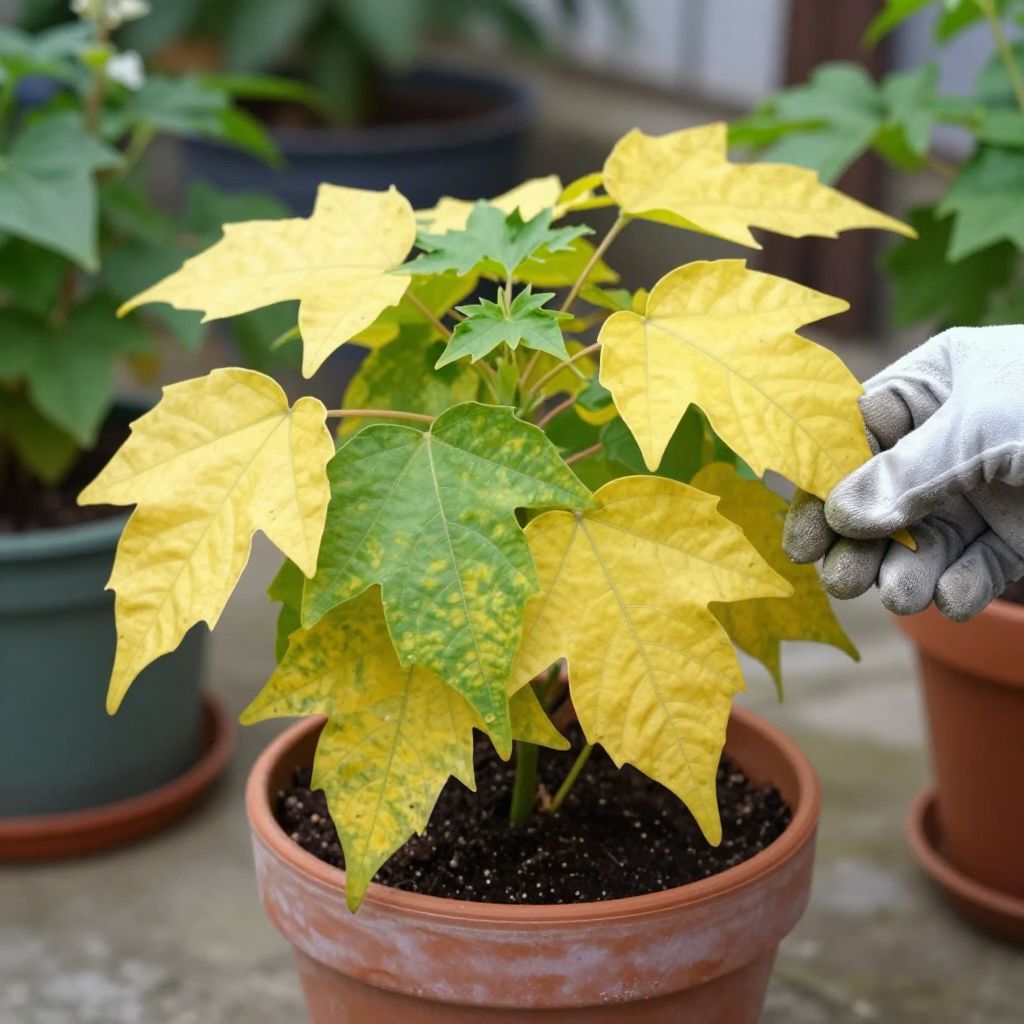
Why are my plants leaves turning yellow? Yellowing leaves are a common stress signal, not a disease by itself. The cause is usually something in the plant’s growing conditions: watering problems, poor drainage, low light, nutrient issues, temperature stress, pests, or root trouble.
The good news is that yellow leaves often point to a fixable problem. If you check the plant’s soil, light, watering habits, and leaf patterns, you can usually narrow down the cause and help the plant recover before more leaves are affected.
Why are my plants leaves turning yellow?
Yellow leaves usually mean the plant is under stress from too much or too little water, insufficient light, poor soil drainage, nutrient imbalance, pests, or root damage. Look at where the yellowing starts, how fast it spreads, and whether the plant is indoors or outdoors to identify the most likely cause.
Start with the most common causes
1. Watering problems
Overwatering is one of the most common reasons leaves turn yellow. When roots sit in soggy soil, they cannot get enough oxygen, and the plant may develop yellow, limp leaves and slowed growth.
Underwatering can also cause yellowing, especially if the leaves look dry, crispy, or curled. In this case, the plant is conserving resources and dropping older leaves first.
- Overwatering signs: yellow leaves, soft stems, wet soil, fungus gnats, leaf drop
- Underwatering signs: dry soil, drooping, crispy edges, slow growth, leaf curl
Check the soil before watering. If the top 1 to 2 inches feel dry for many houseplants, it may be time to water. For outdoor plants, use your finger or a trowel to check moisture deeper in the root zone, since surface soil can dry out while lower soil stays wet.
2. Poor drainage or compacted soil
Even if you water correctly, heavy clay soil or a pot without drainage holes can keep roots too wet. Yellowing often appears after rain, in low spots, or in containers that stay damp for long periods.
If the plant is in a pot, make sure excess water can drain freely. If it is in the ground, improve drainage by loosening compacted soil and mixing in organic matter such as compost where appropriate.
3. Not enough light
Plants need enough light to make energy through photosynthesis. When light is too weak, leaves may turn pale yellow before dropping, especially on lower or inner growth.
Indoor plants near a dim window often show this problem. Outdoor plants can yellow if they are shaded by trees, fences, or larger plants that have grown over them.
- Move indoor plants closer to a brighter window if the species prefers bright indirect light.
- Rotate pots every week or two so growth stays even.
- Prune nearby plants if a garden bed has become too shaded.
4. Nutrient deficiencies
Yellowing can happen when plants lack key nutrients, especially nitrogen, iron, or magnesium. The pattern matters: older leaves often yellow first with nitrogen deficiency, while new leaves may yellow with iron deficiency.
Before adding fertilizer, make sure the soil is not too wet or too dry. A stressed root system cannot absorb nutrients well, even if they are present.
- Nitrogen deficiency: older leaves yellow first, overall pale growth
- Iron deficiency: young leaves yellow with greener veins
- Magnesium deficiency: older leaves yellow between veins
Use compost or a balanced fertilizer only when the plant is actively growing and the soil conditions are otherwise healthy. For container plants, nutrients can wash out faster, so regular feeding may be needed based on the plant type and potting mix.
5. Root-bound plants or damaged roots
If a plant has outgrown its pot, roots can circle tightly and stop taking up water and nutrients efficiently. This often leads to yellow leaves, stunted growth, and soil that dries out too quickly.
Root damage from transplant shock, rot, or pests can cause similar symptoms. If you suspect root trouble, gently slide the plant from its container and inspect the roots.
- Healthy roots are usually firm and light-colored.
- Rotten roots are dark, mushy, and may smell sour.
- Root-bound plants may have roots circling the pot or growing out drainage holes.
How to diagnose yellow leaves step by step
A quick inspection can save you from guessing. Work through the plant from the soil up, and look for patterns rather than focusing on one leaf.
- Check the soil moisture. Is it soggy, dry, or inconsistent?
- Look at which leaves are yellowing. Old leaves, new leaves, or all over?
- Inspect the light. Has the plant been moved, shaded, or placed too far from a window?
- Examine the pot or planting site. Does water drain well, or does it pool?
- Look for pests and disease. Check leaf undersides and stems.
- Review recent changes. Repotting, cold snaps, heat waves, or fertilizing can all trigger yellowing.
Pests and diseases that can cause yellowing
Common pests
Insects can weaken plants and cause leaves to yellow, spot, curl, or drop. Aphids, spider mites, whiteflies, and scale are frequent culprits on indoor and outdoor plants.
Check the undersides of leaves and along stems. Tiny insects, sticky residue, fine webbing, or sooty mold are all clues.
- Rinse small infestations with a strong spray of water.
- Remove heavily infested leaves when appropriate.
- Use insecticidal soap or horticultural oil according to the label and plant type.
Diseases and root rot
Fungal and bacterial problems can cause yellowing along with spots, wilting, or leaf drop. Root rot is especially common when soil stays wet too long.
If the plant wilts even though the soil is wet, root rot is a strong possibility. In that case, improve drainage immediately and remove badly damaged roots if the plant can be saved.
Indoor vs. outdoor plants: what changes?
Indoor plants
Houseplants usually yellow because of inconsistent watering, low light, or compacted potting mix. Indoor air can also be dry, especially in winter, which stresses some plants.
For indoor plants, use pots with drainage holes, empty saucers after watering, and avoid letting the plant sit in standing water. If the plant is near a cold draft or heating vent, move it to a steadier location.
Outdoor plants
Garden plants are more affected by weather, soil conditions, and seasonal changes. Heavy rain, heat stress, cold snaps, and poor soil structure can all trigger yellow leaves.
Outdoor plants may also yellow naturally as older leaves age, especially after flowering or during seasonal transitions. If the plant is otherwise healthy and new growth looks normal, the yellowing may be part of its natural cycle.
What to do once you find the cause
If the plant is overwatered
- Let the soil dry to the appropriate level for the plant.
- Improve drainage or repot into a container with holes if needed.
- Remove saucers filled with water after watering.
- Trim away badly damaged leaves, but do not remove too many at once.
If the plant is underwatered
- Water deeply so moisture reaches the root zone.
- Mulch outdoor plants to slow evaporation if suitable for the plant.
- Check more often during hot, windy, or very dry weather.
If light is the issue
- Move the plant to a brighter location gradually.
- Increase light exposure over several days to avoid sun scorch.
- Prune surrounding growth if an outdoor plant is being shaded out.
If nutrients are lacking
- Use compost or a fertilizer suited to the plant’s needs.
- Avoid feeding a plant that is already stressed from poor watering or root problems.
- For yellowing on new leaves, consider iron availability and soil pH, especially in alkaline soils.
If pests or disease are present
- Isolate affected houseplants when possible.
- Remove the worst leaves and clean up fallen debris.
- Treat early, before the problem spreads to healthy growth.
Common mistakes to avoid
It is easy to overcorrect when you see yellow leaves. The wrong fix can make the problem worse.
- Do not fertilize first if the soil is soggy or the roots are damaged.
- Do not water on a schedule alone. Check the soil and the plant’s needs instead.
- Do not assume all yellow leaves mean the same problem. Pattern matters.
- Do not remove every yellow leaf at once if the plant is already stressed.
When yellow leaves are normal
Not every yellow leaf is a warning sign. Many plants naturally shed older leaves as they grow, especially at the bottom of the plant or after a flush of new growth.
If only a few older leaves are yellowing, the plant is producing healthy new growth, and the overall plant looks vigorous, you may not need to do anything except continue good care.
Conclusion
If you are wondering why are my plants leaves turning yellow, start with the basics: soil moisture, drainage, light, and root health. Those four factors explain most cases. Once you identify the pattern, you can make one or two targeted changes instead of guessing.
For more help with plant care, you may also want to read about how to improve garden soil drainage and how to tell if a houseplant needs more light.
Leave a Reply