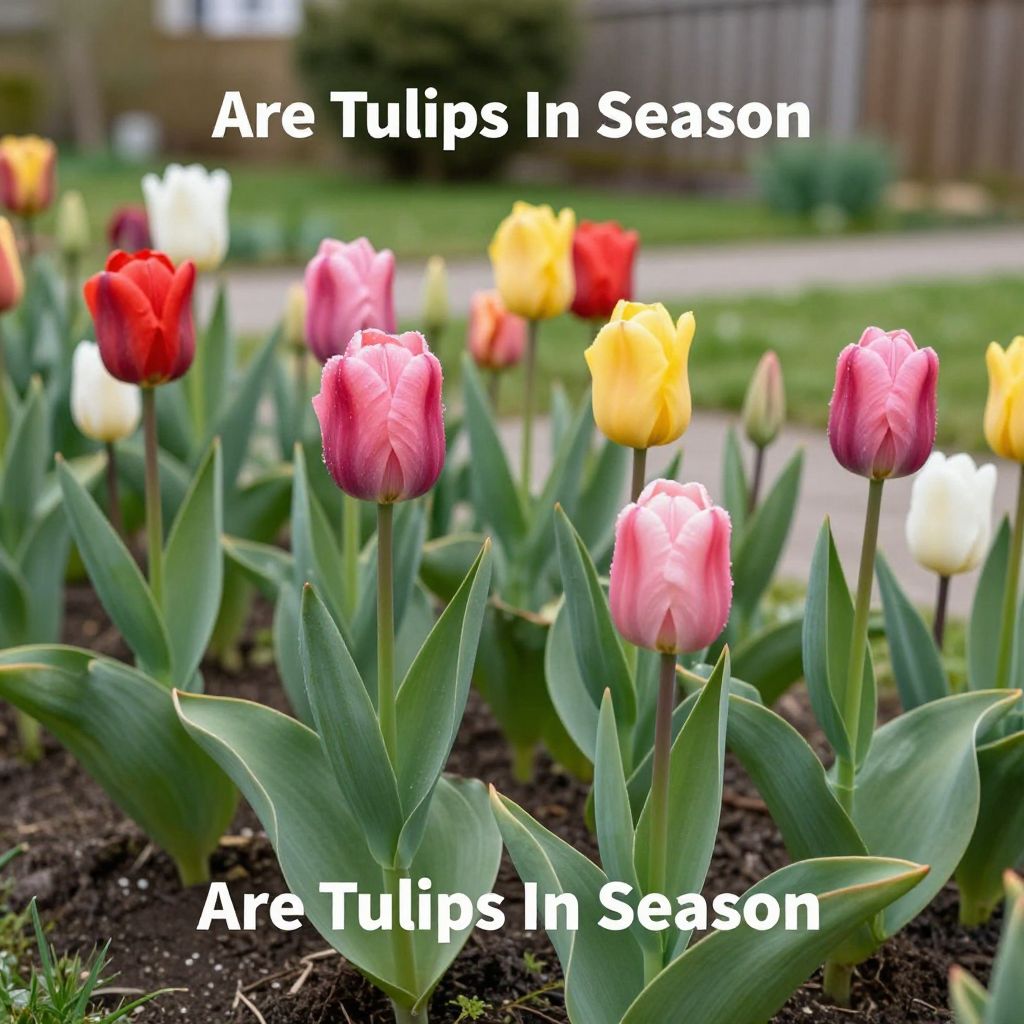
Are tulips in season? Yes—though the answer depends on whether you mean when they bloom outdoors, when they’re sold as cut flowers, or when bulbs are available to plant. In most gardens, tulips flower in spring, after a winter chill has triggered growth. Their exact timing varies with climate, variety, and how cold your local winter is.
If you want the best results, it helps to think of tulips as a cool-season bulb with a short but spectacular display. With the right planting, drainage, and after-bloom care, you can enjoy strong flowers this season and healthier bulbs next year.
Are tulips in season?
Tulips are in season in spring for outdoor bloom, usually from late winter to late spring depending on your climate and the type of tulip. Bulbs are typically planted in fall, then stay dormant through winter before flowering. Cut tulips are often available in winter and spring because they can be grown in greenhouses or imported.
When tulips bloom outdoors
Outdoor tulip season is not the same everywhere. In mild climates, early tulips may bloom in late winter, while colder regions often see them in mid to late spring.
Bloom time also depends on the variety. Early, midseason, and late tulips can stretch the display over several weeks if you plant a mix.
What affects bloom timing?
- Winter chill: Tulips need a cold period to flower well.
- Local climate: Warm springs can speed bloom; cool springs can delay it.
- Sun exposure: More sun usually means earlier, sturdier flowering.
- Bulb quality: Large, firm bulbs usually perform better than small or damaged ones.
- Planting depth and drainage: Poor planting conditions can delay or reduce blooms.
How to tell if tulips are in season where you live
The simplest way is to watch soil temperature and local spring weather. When days are lengthening and temperatures are rising but nights are still cool, tulips usually begin to emerge and bud.
If you garden in a very warm climate, tulips may behave more like a one-season display unless you choose pre-chilled bulbs or treat them as temporary spring color. In cold-winter regions, they are more likely to return if conditions suit them.
Signs tulips are approaching bloom
- Leaves are 4 to 8 inches tall and upright
- Flower buds are visible but still tight
- Stems are firm, not floppy
- Soil is moist but not soggy
How to plant tulip bulbs for a better season
Tulips perform best when planted in well-drained soil in fall, before the ground freezes. The goal is to give roots time to grow before winter dormancy.
Choose a sunny spot with at least 6 hours of direct sun in spring. Tulips can tolerate a little shade, but too much shade often leads to weak stems and smaller flowers.
Planting basics
- Dig a hole about 6 to 8 inches deep, or roughly 2 to 3 times the bulb height.
- Place the bulb pointy side up.
- Space bulbs a few inches apart so they are not crowded.
- Backfill with soil and water lightly after planting if the soil is dry.
Drainage matters more than fertilizer for tulips. Bulbs that sit in wet soil are prone to rot, especially over winter.
Soil and compost tips
- Use loose, crumbly soil if possible.
- Work in compost to improve structure, not to create a heavy, wet pocket around the bulb.
- Avoid planting in low spots where water collects.
- If your soil is clay-heavy, consider raised beds or amending the area before planting.
Watering and care during the growing season
Tulips need moisture while they are actively growing, but they do not like constant wetness. In many gardens, spring rainfall provides enough water unless the weather turns unusually dry.
Water deeply only when the top layer of soil begins to dry out. For container-grown tulips, check pots more often because they dry faster than garden beds.
Care during bloom
- Keep flowers out of strong wind if possible, especially tall varieties.
- Remove faded blooms to prevent seed formation.
- Leave the leaves in place after flowering so the bulb can recharge.
- Do not braid, tie, or cut foliage too early.
Deadheading spent flowers helps the plant put energy back into the bulb instead of making seed. However, the leaves should stay until they yellow naturally.
What to do after tulips finish blooming
After flowering, tulips enter a recovery phase. This is one of the most important parts of tulip care if you want blooms again next year.
Let the foliage photosynthesize for several weeks after bloom. Once the leaves turn yellow and begin to dry, you can remove them.
After-bloom checklist
- Snip off faded flowers, but keep the leaves.
- Continue light watering if the soil is dry.
- Do not cut foliage while it is still green.
- Mark the planting area if you plan to add summer annuals later.
In some gardens, tulips rebloom well for years. In others, especially warm or wet climates, they may decline after the first season. That does not mean you failed; it often reflects local conditions and the tulip type.
Common tulip problems and how to fix them
When tulips are not performing well, the cause is usually environmental rather than a serious disease outbreak. Start by checking sunlight, drainage, and bulb depth.
Why tulips may not bloom
- Not enough chill: Bulbs may need colder winters or pre-chilling in some climates.
- Too much shade: Shade can reduce flower production.
- Bulbs planted too shallow: They may be stressed or unstable.
- Wet soil: Rot can prevent flowering.
- Foliage removed too soon: The bulb may not recharge enough for next year.
Why tulips come up but stay short
- Spring temperatures rose too quickly
- The bulbs were small or weak
- The site is crowded
- Soil fertility is unbalanced, especially with too much nitrogen
If stems flop, the plants may be stretching for light or growing in overly rich soil. A sunnier site and better drainage usually help more than extra feeding.
Pests and diseases to watch for
Tulips can be bothered by a few common pests and bulb diseases. Early prevention is easier than trying to rescue damaged bulbs later.
Common issues
- Rodents: Squirrels, mice, and voles may dig up bulbs.
- Slugs and snails: They can chew young shoots in damp weather.
- Bulb rot: Often linked to poor drainage or damaged bulbs.
- Botrytis and other fungal problems: More likely in cool, wet, crowded plantings.
Practical prevention
- Plant only firm, healthy bulbs.
- Use well-drained soil and avoid overwatering.
- Clear away fallen leaves and debris around the bed.
- Do not overcrowd bulbs.
- Inspect emerging shoots regularly in wet springs.
If you notice distorted leaves, gray mold, or bulbs that collapse when dug, remove the affected material and avoid replanting tulips in that exact spot until you improve drainage and rotate the area.
Can you grow tulips in containers?
Yes, and containers can be a good option if your garden soil is heavy or your winters are unpredictable. Pots also let you place tulips where spring sun is strongest.
Use a container with drainage holes and a free-draining potting mix. Because pots dry and freeze faster than garden beds, they need closer monitoring in both winter and spring.
Container care tips
- Choose a pot deep enough for proper bulb depth.
- Do not let the container sit in standing water.
- Protect pots from severe freeze-thaw swings if your climate is harsh.
- Water sparingly while dormant, then more regularly as growth begins.
Are tulips in season as cut flowers?
Yes, tulips are widely sold as cut flowers in late winter and spring. Florists may also have them earlier because greenhouse production extends the season.
For the longest vase life, keep cut tulips cool, trim the stems, and place them in clean water. They continue to grow after cutting, so a tall vase helps support them.
Simple cut-flower care
- Trim stems with a clean knife or pruners.
- Use cool water in a clean vase.
- Keep them out of direct sun and heat.
- Refresh the water regularly.
Final thoughts on tulip season
Tulips are in season in spring, but the exact timing depends on your climate, the variety you grow, and how well the bulbs were planted and cared for. If you want the best show, focus on fall planting, full spring sun, and excellent drainage.
Start by checking your garden conditions now, then plan where tulips will get the brightest spring light and the driest soil. For more spring bulb planning, you may also want to read about how to plant spring bulbs and container gardening for seasonal flowers.
Leave a Reply