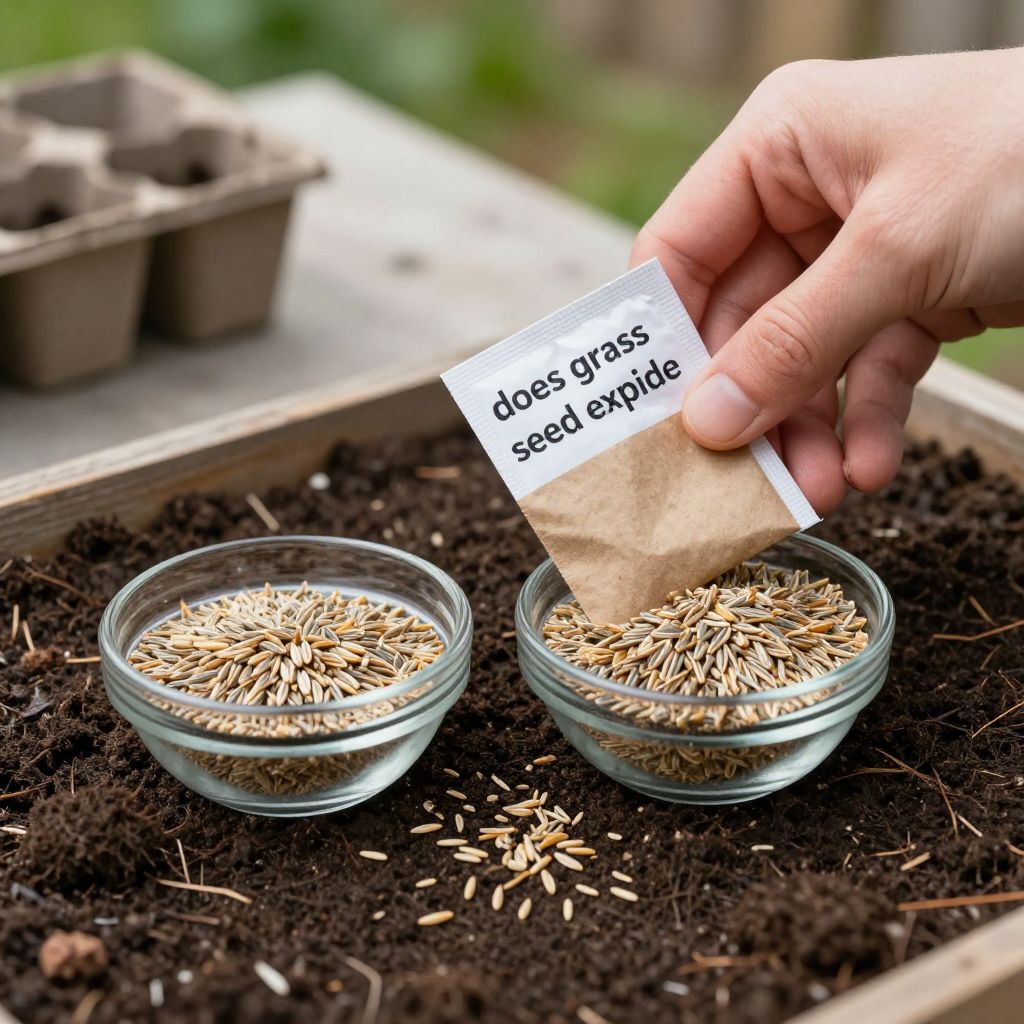
Does grass seed expire? Yes, it can, but not always in a dramatic way. Grass seed usually loses germination gradually over time, so old seed may still sprout if it has been stored cool, dry, and sealed.
The real question is whether the seed is still viable enough to give you a thick, even lawn. With a quick germination test and a few storage checks, you can avoid wasting time, money, and effort on seed that is too old or damaged.
Does grass seed expire?
Grass seed does not “go bad” like food, but it does lose vigor and germination potential as it ages. Most seed is usable for about 1 to 3 years, sometimes longer if stored properly. Heat, moisture, pests, and fluctuating temperatures shorten shelf life much faster than the calendar alone.
How long does grass seed last?
Seed longevity depends on the grass species, the quality of the seed, and how it was stored. Cool-season grasses and warm-season grasses can both remain viable for a while, but no seed stays perfect forever.
Typical storage life
- Fresh, properly stored seed: often performs well for 1 to 3 years.
- Older seed: may still germinate, but usually at a lower rate.
- Poorly stored seed: can fail much sooner, even within a single season.
If the bag has been opened, stored in a garage, or exposed to humidity, expect faster decline. A sealed bag kept in a cool, dry indoor space generally lasts longer than one left in a hot shed.
Why storage matters so much
Grass seed is a living product. It contains an embryo that must remain dormant until conditions are right. Excess moisture can trigger decay, while warm temperatures speed up aging and reduce germination energy.
- Heat shortens viability.
- Moisture encourages mold and premature deterioration.
- Pests can damage seed or contaminate the bag.
- Repeated temperature swings weaken seed quality over time.
How to tell if grass seed is still good
You cannot always judge seed quality by appearance alone, but a few simple checks can help. If the seed looks clean, dry, and free of clumps or odor, it may still be usable. The best test is a small germination trial before you seed an entire lawn.
Check the bag and the seed
- Look for a purchase date or pack date on the label.
- Inspect the seed for moisture damage, mold, or a musty smell.
- Break apart any clumps; seed that has caked together may have absorbed moisture.
- Check for insect activity or debris in the bag.
Seed that smells sour, shows visible mold, or feels damp is a poor candidate for planting. If the bag was stored in a humid area, the seed may have lost viability even if it looks normal.
Do a simple germination test
This is the most reliable way to answer the question, “Does grass seed expire?” for your specific bag.
- Count out 20 to 50 seeds.
- Place them on a damp paper towel.
- Fold the towel over the seed and seal it in a plastic bag or container.
- Keep it in a warm indoor spot out of direct sun.
- Check daily for sprouting over 7 to 14 days, depending on the grass type.
If only a portion of the seed sprouts, the bag is still usable, but you may need to seed more heavily to compensate. For example, if half the seed germinates, you will need roughly twice as much seed to achieve the same coverage.
What affects grass seed viability?
Several factors influence how quickly grass seed expires. Understanding them helps you store seed correctly and decide whether to use an old bag or buy fresh seed.
1. Grass species
Different grasses age at different rates, though storage conditions matter more than species in most home settings. Some seed blends include multiple grass types, which can make germination less predictable as the bag ages.
2. Seed coating and treatment
Some grass seed is coated to improve handling or moisture retention. Coating does not make seed immortal, but it can affect how the seed looks and how it stores. Always read the label for any special handling notes.
3. Packaging quality
Unopened, well-sealed bags generally hold up better than open bags transferred into flimsy containers. If you repackage seed, use an airtight container and keep it away from moisture.
4. Storage environment
A cool indoor closet is usually better than a garage, shed, or basement corner that gets damp or hot. The more stable the environment, the longer the seed remains viable.
Best ways to store grass seed
If you want grass seed to last, store it like a dry, dormant living material. The goal is to keep it cool, dry, and protected from pests.
Storage tips that really help
- Keep seed in a sealed container or tightly closed bag.
- Store it indoors in a cool, dry place.
- Avoid direct sunlight and warm appliances.
- Do not store seed where condensation forms.
- Label the container with the purchase date.
If you live in a humid climate, consider adding a moisture barrier such as a sealed plastic bin. Just make sure the seed is completely dry before you store it.
Mistakes to avoid
- Leaving seed in an open paper bag in the garage.
- Storing seed near fertilizer that can absorb moisture or spill.
- Using seed that has sat through hot summers in a shed.
- Assuming old seed will perform like fresh seed without testing it.
Can you plant expired grass seed?
Yes, sometimes you can, but “expired” seed may produce thin or patchy results. If the germination test shows acceptable sprouting, you can still use it for overseeding or filling small bare spots. For a full lawn renovation, fresh seed is usually the safer choice.
When old seed is worth using
- You are patching a small area.
- The germination test shows decent sprouting.
- You are willing to seed a little heavier.
- You understand the result may be uneven.
When to replace it
- The seed is moldy, damp, or foul-smelling.
- Very few seeds sprout in the test.
- You need reliable coverage for a large area.
- The bag has been stored badly for a long time.
For important projects, fresh seed is often worth the cost because it gives you better germination, more even establishment, and less need for reseeding.
How to improve germination with older grass seed
If your seed is still viable but not brand new, you can improve your chances by preparing the site carefully. Seed quality matters, but seed-to-soil contact, moisture, and temperature matter too.
Prepare the soil properly
Grass seed germinates best in fine, loose soil with good contact. Remove weeds, rake the surface, and break up compacted areas so the seed can settle in.
- Loosen the top layer of soil lightly.
- Level low spots where water might pool.
- Add a thin layer of compost only if the soil is poor or compacted.
- Avoid burying seed too deeply; most grass seed needs only shallow coverage.
Keep moisture consistent
Old seed often needs more careful watering because fewer seeds may be strong enough to push through dry conditions. The soil should stay evenly moist, not soggy.
- Water lightly enough to keep the surface damp.
- Do not let the seedbed dry out during germination.
- Avoid heavy watering that washes seed away.
Local weather matters here. In cool, damp conditions, you may need less supplemental watering. In hot, windy, or sunny conditions, the seedbed can dry quickly and need more frequent attention.
Use the right timing for your climate
Grass seed germinates best when temperatures suit the grass type you are planting. Cool-season grasses usually establish best during cooler periods, while warm-season grasses prefer warmer soil and air temperatures. Check local recommendations for your region rather than relying on a universal calendar date.
Common problems with old grass seed
Old seed can still work, but it often brings a few predictable issues. Knowing what to expect helps you troubleshoot before you assume the lawn failed for another reason.
Patchy germination
This is the most common sign of aging seed. Some seeds sprout, others do not, leaving thin areas. Overseed lightly after the first round if needed, or plan to reseed the weak spots.
Slow emergence
Seed that is still viable may take longer to sprout than fresh seed. Be patient and keep the soil moist. Do not dig it up too soon unless the germination test already showed poor viability.
Mold on the seedbed
Too much moisture, poor airflow, or seed that was already compromised can lead to mold. Reduce watering slightly, improve drainage, and avoid thick layers of mulch or soil over the seed.
Birds and pests
Weak or uneven germination can leave seed exposed longer. If birds are a problem, use a light protective covering appropriate for lawn seeding and keep the area moist so the seed settles quickly.
Quick checklist before you sow
Before planting, use this simple checklist to decide whether your grass seed is worth using.
- Check the date on the bag.
- Inspect for moisture, mold, or odor.
- Do a germination test with a small sample.
- Prepare the site so the seed has good soil contact.
- Keep the seedbed evenly moist until germination.
If the test results are weak, buy fresh seed rather than gambling on a large area. That is especially important for new lawns, overseeding thin turf, or repairing high-traffic spots.
Conclusion
So, does grass seed expire? Yes, gradually, and storage makes a big difference. Old seed may still be perfectly usable if it has been kept cool and dry, but the only reliable way to know is to test it before planting.
Take a few minutes to inspect your bag and run a germination test, then decide whether to sow it, overseed a little heavier, or replace it with fresh seed. For more lawn care help, read about how to overseed a lawn and how to start a lawn from seed.
Leave a Reply