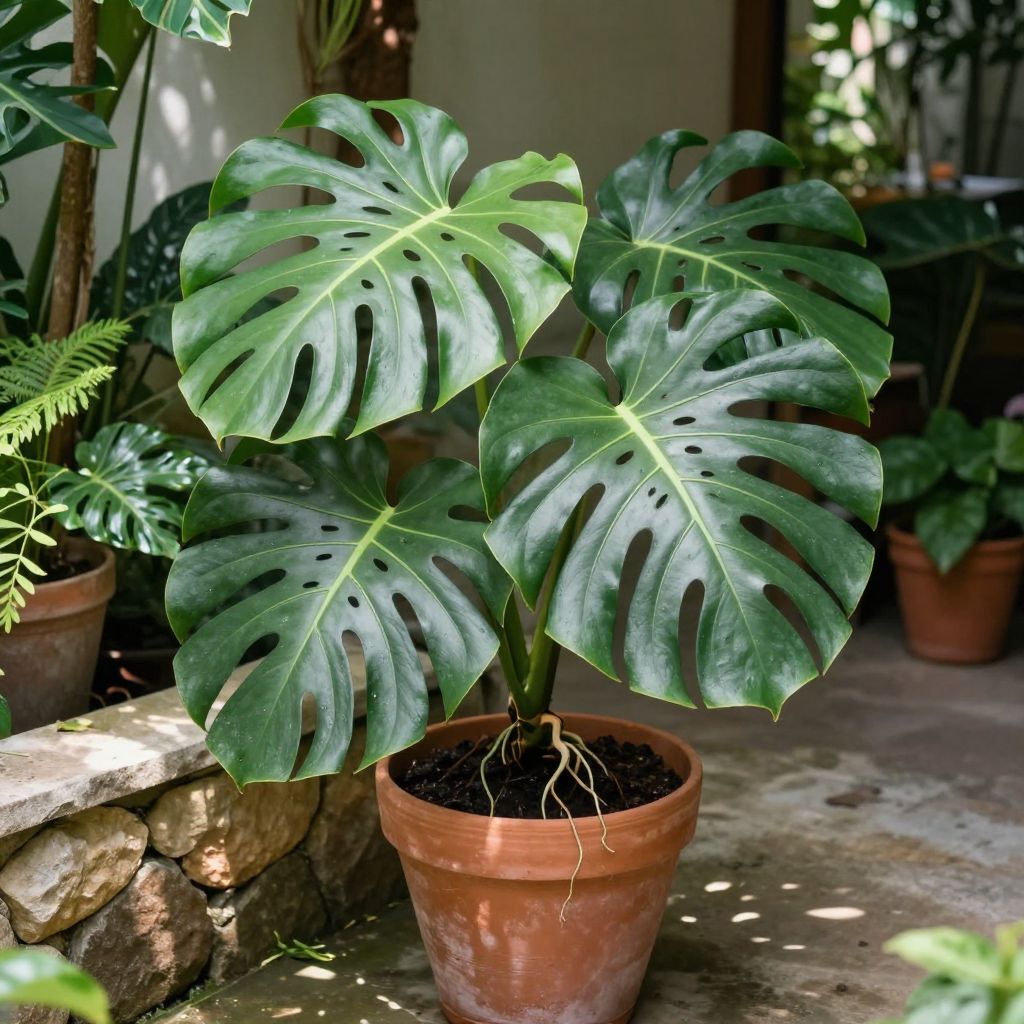
Can Monstera live outside? Yes, in the right climate and with the right protection, Monstera can grow beautifully outdoors. The key is matching the plant to warm temperatures, bright filtered light, and well-drained soil, then adjusting care for wind, rain, and seasonal changes.
For many gardeners, the answer depends less on the plant and more on where you live. A Monstera that thrives on a shaded patio in a frost-free region may fail quickly in cold, windy, or overly sunny conditions, so outdoor success starts with understanding your local weather.
Can Monstera live outside?
Yes, Monstera can live outside if your climate stays warm and frost-free, or if you can move the plant indoors when temperatures drop. It grows best outdoors in bright shade, high humidity, and loose, well-draining soil. Cold snaps, direct harsh sun, and soggy ground are the main risks.
What Monstera needs outdoors
Monstera deliciosa and related Monstera types are tropical aroids, so they prefer conditions that mimic a rainforest edge rather than an open sunny bed. Outdoors, they need warmth, filtered light, moisture without waterlogging, and shelter from strong weather.
Temperature and climate
Monstera is not a cold-hardy landscape plant in most regions. It should only stay outside year-round where winters are mild and frost is rare or absent.
- Best outdoor temperatures: warm days and nights without chilling exposure
- Cold risk: frost and prolonged cool weather can damage leaves and stems
- Wind risk: strong winds can tear leaves and dry the plant quickly
If your area gets frost, treat Monstera as a container plant you can bring in before cold weather arrives. Even a brief frost can cause serious damage.
Light exposure
Outdoors, Monstera usually does best in bright, indirect light or dappled shade. Morning sun can be acceptable in cooler climates, but hot afternoon sun often scorches leaves.
- Good spots: under tall trees, on a covered porch, beside a north- or east-facing wall in many climates
- Bad spots: exposed patios with full midday sun, reflective walls, or windy open yards
If leaves look pale, bleached, or crispy at the edges, the plant may be getting too much sun. If growth becomes slow and stems stretch toward light, it may need a brighter position.
Humidity and airflow
Monstera appreciates humidity, but it also needs airflow to reduce fungal problems. A sheltered outdoor area with moving air is ideal, as long as the plant is not exposed to drying gusts.
How to grow Monstera outside successfully
Whether you plant Monstera in a container or directly in the ground, drainage matters more than almost anything else. This plant dislikes sitting in wet soil, especially in cooler weather.
Growing Monstera in pots outdoors
Container growing is the safest option in most climates because it lets you control light, moisture, and temperature. Choose a pot with drainage holes and a stable base so the plant does not tip in wind.
- Use a chunky, airy potting mix that drains well.
- Set the pot where it gets bright shade and protection from strong sun.
- Water thoroughly, then let the top layer of mix dry slightly before watering again.
- Check the pot more often during hot or windy weather, when containers dry out faster.
A pot-grown Monstera is easier to move under cover during storms or cold nights. This is especially useful if your weather changes quickly.
Planting Monstera in the ground
In frost-free tropical or subtropical climates, Monstera can be grown in the ground where it has room to climb. Even then, choose a site with excellent drainage and partial shade.
- Plant in loose soil enriched with compost, not heavy clay that stays wet
- Avoid low spots where rain collects
- Give the plant a support such as a moss pole, trellis, or sturdy tree trunk
Monstera is a climbing plant, and it often grows better when it has support. Without one, stems can sprawl and leaves may stay smaller.
Soil, compost, and drainage
Outdoors, Monstera needs a soil mix that holds some moisture but never becomes dense or stagnant. The roots need oxygen as much as water.
Best soil characteristics
- Loose and well-draining
- Rich in organic matter
- Slightly moisture-retentive, but not heavy
If you are improving garden soil, mix in compost to add structure and fertility. In containers, use a quality houseplant or aroid-style mix with added bark, perlite, or similar drainage material if needed.
Signs the soil is wrong
- Yellowing leaves and soft stems: often too wet
- Dry, curling leaves and stunted growth: often too dry or rootbound
- Slow decline after rain: often poor drainage or compacted soil
If the plant is in the ground and the site stays soggy after rain, consider moving it or raising the planting area. Monstera roots are much happier in a slightly elevated, free-draining bed than in waterlogged soil.
Watering Monstera outdoors
Outdoor watering should respond to weather, not a rigid schedule. Rain, heat, wind, pot size, and soil type all affect how fast the plant dries out.
How to water correctly
- Water deeply so moisture reaches the root zone
- Let the top inch or two of soil dry before watering again in containers
- Check soil with your finger rather than guessing
- Reduce watering during cool, cloudy, or rainy periods
Overwatering is one of the most common mistakes with outdoor Monstera. If the soil stays wet for days, roots can suffer even if the leaves still look green at first.
Rain and seasonal changes
In rainy seasons, container plants may need less frequent watering or temporary shelter. In hot dry weather, the same plant may need much more frequent attention, especially if it is exposed to wind.
Pruning, training, and maintenance
Outdoor Monstera often grows faster than indoor plants if conditions are right. Regular maintenance helps keep it tidy and prevents it from becoming too heavy or unruly.
Pruning tips
- Remove damaged, yellow, or badly torn leaves
- Cut back overlong stems if the plant is outgrowing its space
- Use clean, sharp pruners to reduce disease risk
Do not remove too much at once. A little pruning goes a long way, and the plant needs enough leaf area to keep growing strongly.
Supporting the plant
A climbing Monstera benefits from a support structure outdoors just as it does indoors. Tie stems loosely so they are guided, not squeezed.
- Moss pole
- Wooden stake or trellis
- Tree trunk or sturdy post in a sheltered landscape setting
As the plant climbs, larger leaves and a stronger shape are more likely, especially if light and moisture are consistent.
Pests and diseases to watch for
Outdoor Monstera can attract the same pests it gets indoors, plus a few more from the garden. Regular inspection is the easiest way to catch problems early.
Common pests
- Spider mites in hot, dry conditions
- Scale insects on stems and leaf undersides
- Mealybugs in sheltered, humid spots
- Slugs and snails on tender new growth
Check leaf undersides and stem joints often. If you spot pests early, removing them by hand or washing them off may be enough before they spread.
Common disease issues
- Root rot from poor drainage
- Leaf spotting in persistently wet, crowded conditions
- Sun scorch mistaken for disease
Good airflow, clean tools, and proper watering prevent many problems. If a plant declines after heavy rain or cold weather, inspect the roots and soil before assuming it needs fertilizer.
Can Monstera survive winter outside?
In most climates, no, not without protection. Monstera is not a true cold-weather outdoor plant, so winter survival depends on whether your area stays warm enough year-round or whether you move the plant indoors.
What to do before cold weather
- Watch nighttime temperatures, not just daytime highs.
- Move container plants indoors before frost is expected.
- Reduce watering as growth slows in cooler weather.
- Inspect for pests before bringing the plant inside.
If you grow Monstera in the ground in a warm region, protect it from unexpected cold with temporary coverings or by planting in a sheltered microclimate. But if frost is normal where you live, outdoor year-round planting is usually not realistic.
Propagation and moving outdoor plants
Outdoor Monstera can be propagated from stem cuttings if you need to make new plants or rescue a stem that has grown too long. Use a cutting with at least one node, since roots form from that point.
Simple propagation approach
- Cut below a healthy node with clean tools
- Place the cutting in water or a moist, airy rooting medium
- Keep it warm and out of direct sun
- Pot up only after roots are well developed
If you plan to move a large outdoor Monstera, do it during mild weather and water it lightly beforehand. Try not to disturb the roots more than necessary.
Common mistakes to avoid
- Leaving Monstera in full sun all day
- Planting in heavy, poorly draining soil
- Overwatering after rain or during cool weather
- Exposing the plant to frost or cold wind
- Skipping pest checks on outdoor foliage
Most outdoor Monstera problems come from too much sun, too much water, or too much cold. If you correct those three conditions, the plant usually responds well.
Conclusion: is outdoor Monstera right for you?
Can Monstera live outside? Yes, if your climate is warm enough and you give it bright shade, drainage, and protection from cold. The safest approach for most gardeners is to grow it in a pot outdoors and move it when weather turns unfavorable. Start by checking your light, soil, and nighttime temperatures, then place the plant where it can thrive.
If you want to compare outdoor placement with indoor care, you may also find it helpful to read more about how to care for Monstera indoors and choosing the best potting mix for tropical houseplants.