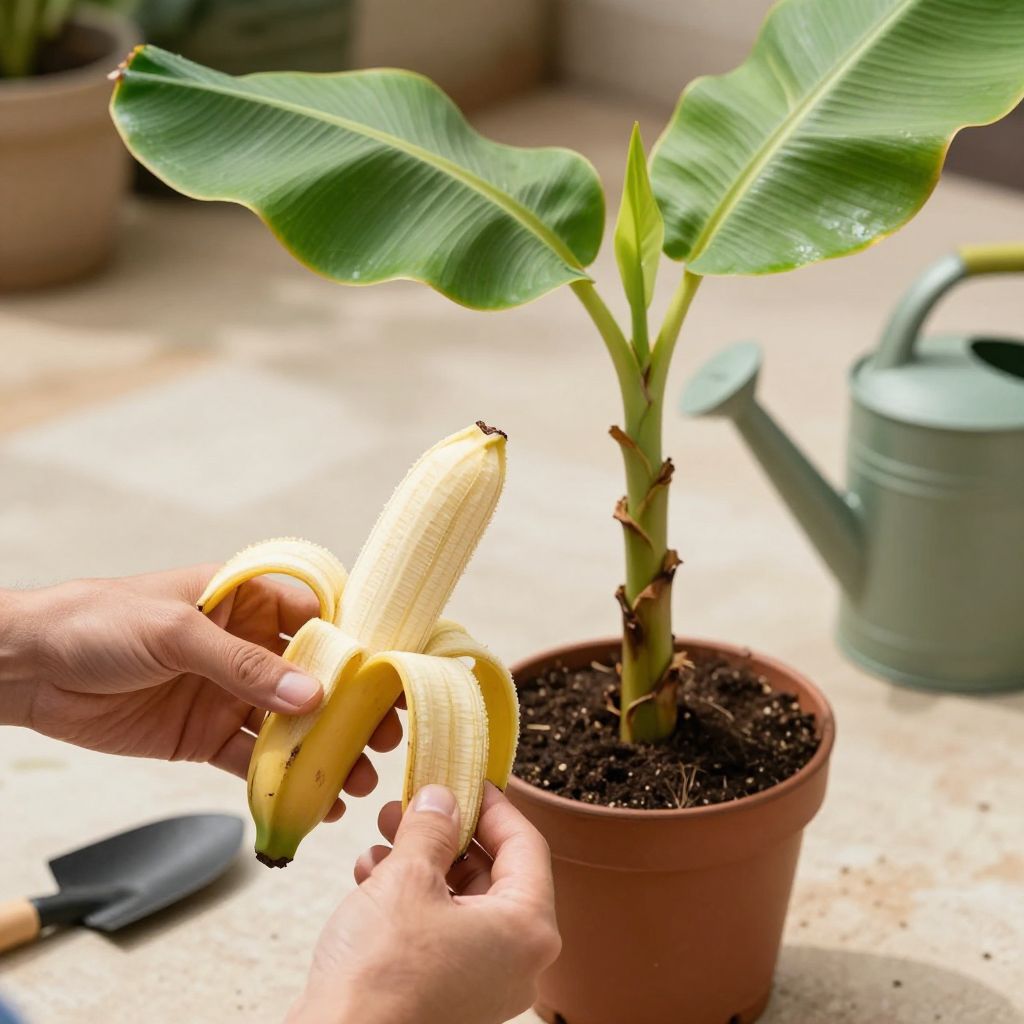
Can you grow a banana tree from a banana? Not really from the fruit you buy and eat, because the edible banana has no viable seeds to sprout into a new plant. What you can do is grow a banana plant from a sucker, pup, tissue-cultured plant, or—if you have a seeded wild banana—from seed.
If your goal is to start a banana plant at home, the method depends on the type of banana and whether you’re growing indoors or outdoors. Here’s the practical truth, plus the best ways to propagate, plant, and care for banana plants successfully.
Can You Grow A Banana Tree From A Banana?
No, not from the banana fruit you eat. Most grocery-store bananas are seedless and sterile, so the fruit itself will not produce a new banana plant. Banana plants are usually propagated from pups (shoots that grow from the base) or from tissue-cultured nursery plants.
Why Store-Bought Bananas Usually Won’t Grow
Edible bananas are bred to be seedless, which is great for eating but not for starting new plants. If you open a supermarket banana, you may notice tiny dark specks inside; these are not usable seeds. Without viable seed, the fruit cannot germinate into a banana plant.
What about wild bananas?
Some wild or ornamental banana species do produce seeds, and those can sometimes be grown from seed. However, seed-grown bananas are slow to start, and the resulting plant may not resemble the fruiting banana you expected.
The Best Ways To Start A Banana Plant
If you want a real banana plant, use propagation methods that actually work. For home gardeners, the easiest and most reliable option is a healthy pup from an established plant or a nursery-grown banana plant.
1. Propagate from a pup
A pup is a young shoot growing from the base of the mother plant. Choose one that is at least a few inches tall with its own roots if possible.
- Wait until the pup is sturdy, not just a tiny sprout.
- Use a clean, sharp spade or knife to separate it from the parent plant.
- Keep as many roots attached as you can.
- Plant it immediately in moist, well-draining soil.
- Water thoroughly and protect it from harsh sun for a few days if needed.
2. Buy a nursery plant
This is often the simplest choice if you want a head start. Look for a healthy plant with firm stems, green leaves, and no signs of pests or rot.
3. Grow from seed only if you have a seeded banana species
Seed propagation can be interesting, but it is not the normal route for common edible bananas. Seeds may need soaking or scarification depending on the species, and germination can take time.
How To Plant A Banana Pup Or Young Banana Plant
Bananas grow best in warm conditions with rich, moisture-retentive but well-drained soil. Whether you plant in the ground or in a container, the goal is the same: steady moisture, lots of organic matter, and protection from wind.
Soil and site requirements
- Sunlight: Full sun is ideal in most climates, though very hot regions may benefit from light afternoon shade.
- Soil: Fertile, loose soil rich in compost works well.
- Drainage: Bananas hate soggy roots, so avoid heavy, waterlogged ground.
- Wind protection: Large leaves tear easily, so a sheltered spot is helpful.
Planting in the ground
- Dig a hole wider than the root ball but no deeper.
- Mix compost into the removed soil if your soil is poor.
- Set the plant at the same depth it was growing before.
- Backfill gently and water well to settle the soil.
- Mulch around the plant, keeping mulch a few inches away from the stem.
Planting in a container
Containers are useful if you live in a cooler climate or want to move the plant indoors for winter. Choose a large pot with drainage holes and use a rich potting mix that drains well.
- Use a pot that is large enough to support rapid root growth.
- Do not let the container sit in standing water.
- Repot as the plant outgrows its container.
Banana Plant Care Tips For Healthy Growth
Banana plants grow quickly when conditions are right, but they also show stress quickly if water, warmth, or nutrients are lacking. Consistent care matters more than complicated techniques.
Watering
Bananas need regular moisture, especially during active growth, but they should never sit in waterlogged soil. Check the top few inches of soil and water when it begins to dry slightly.
Tip: In hot weather, container bananas may need much more frequent watering than in-ground plants. Adjust based on pot size, sun exposure, wind, and rainfall.
Feeding
Bananas are heavy feeders. Compost, well-rotted manure, or a balanced fertilizer can support strong leaf growth and eventual fruiting, but avoid overfeeding with nitrogen alone, which can encourage lush leaves at the expense of fruit.
Mulching
A thick layer of organic mulch helps conserve moisture, suppress weeds, and improve soil as it breaks down. Keep mulch away from direct contact with the stem to reduce rot risk.
Temperature
Bananas are tropical plants and dislike cold. Growth slows in cool weather, and frost can damage or kill the top growth. In marginal climates, container growing or winter protection is often necessary.
Indoor Versus Outdoor Banana Growing
The right approach depends on your climate. Outdoor bananas can become large, vigorous landscape plants in warm regions, while indoor bananas are usually grown as ornamental foliage plants or temporary container specimens.
Growing bananas indoors
- Place the plant in the brightest location you have.
- Rotate the pot occasionally so growth stays even.
- Keep humidity reasonably high if your home is dry.
- Watch carefully for spider mites and other houseplant pests.
Growing bananas outdoors
- Choose a warm, sheltered site.
- Protect young plants from strong wind.
- Use rich soil and regular watering during the growing season.
- Prepare for cold protection if temperatures drop in your area.
Common Problems And How To Fix Them
Banana plants are usually straightforward to grow, but a few issues come up often. Catching them early makes a big difference.
Yellowing leaves
Older leaves naturally yellow and die as new leaves emerge, but widespread yellowing can signal poor drainage, underfeeding, or inconsistent watering. Check the roots and soil first before adding more fertilizer.
Brown leaf edges or torn leaves
Dry air, wind, or underwatering can cause leaf edges to brown. Torn leaves are common outdoors because banana leaves are large and delicate. Wind protection helps more than trying to “fix” torn foliage.
Slow growth
Cool temperatures, low light, root restriction, or poor soil can all slow growth. Bananas need warmth and plenty of light to perform well.
Root rot
This usually happens when soil stays too wet. Improve drainage, reduce watering, and avoid planting in heavy soil unless you amend it well and the site drains properly.
Pests And Diseases To Watch For
Healthy banana plants are less likely to suffer serious problems, but pests and disease can still appear, especially in stressed plants or crowded plantings.
- Aphids: Can cluster on new growth and weaken plants.
- Spider mites: More common indoors or in dry conditions.
- Mealybugs: Often hide in leaf joints and on stems.
- Fungal leaf spotting: Encouraged by wet foliage and poor airflow.
Good spacing, clean tools, and regular inspection are your best defenses. Remove badly damaged leaves, improve airflow, and avoid overhead watering late in the day when possible.
Will A Banana Plant Fruit At Home?
It can, but fruiting depends on variety, climate, plant age, and growing conditions. Some banana plants grown in warm regions or greenhouses will flower and fruit, while others are grown mainly for foliage. Even fruiting plants need time, heat, and steady care to reach that stage.
If you want fruit, keep these in mind
- Choose a variety suited to your climate and space.
- Give the plant plenty of sun and warmth.
- Keep soil consistently moist but not soggy.
- Feed regularly during active growth.
- Protect the plant from cold snaps and strong wind.
Pruning And Maintenance
Banana plants do not need complicated pruning, but they do benefit from simple maintenance. Remove dead or badly damaged leaves, and manage pups so the clump does not become overcrowded.
If you want larger fruit on a mature plant, many gardeners limit the number of pups to keep the mother plant from competing too heavily for water and nutrients. For ornamental plantings, a fuller clump may be desirable.
Conclusion: The Practical Answer For Gardeners
You cannot grow a banana tree from the banana fruit you buy at the store, but you can easily grow a banana plant from a pup or nursery plant. Start with the right planting material, give it warmth, rich soil, steady moisture, and protection from cold and wind, and you’ll have a much better chance of success.
If you’re planning your next tropical planting, it may also help to read more about container growing for warm-climate plants and how to improve garden soil with compost.
Leave a Reply