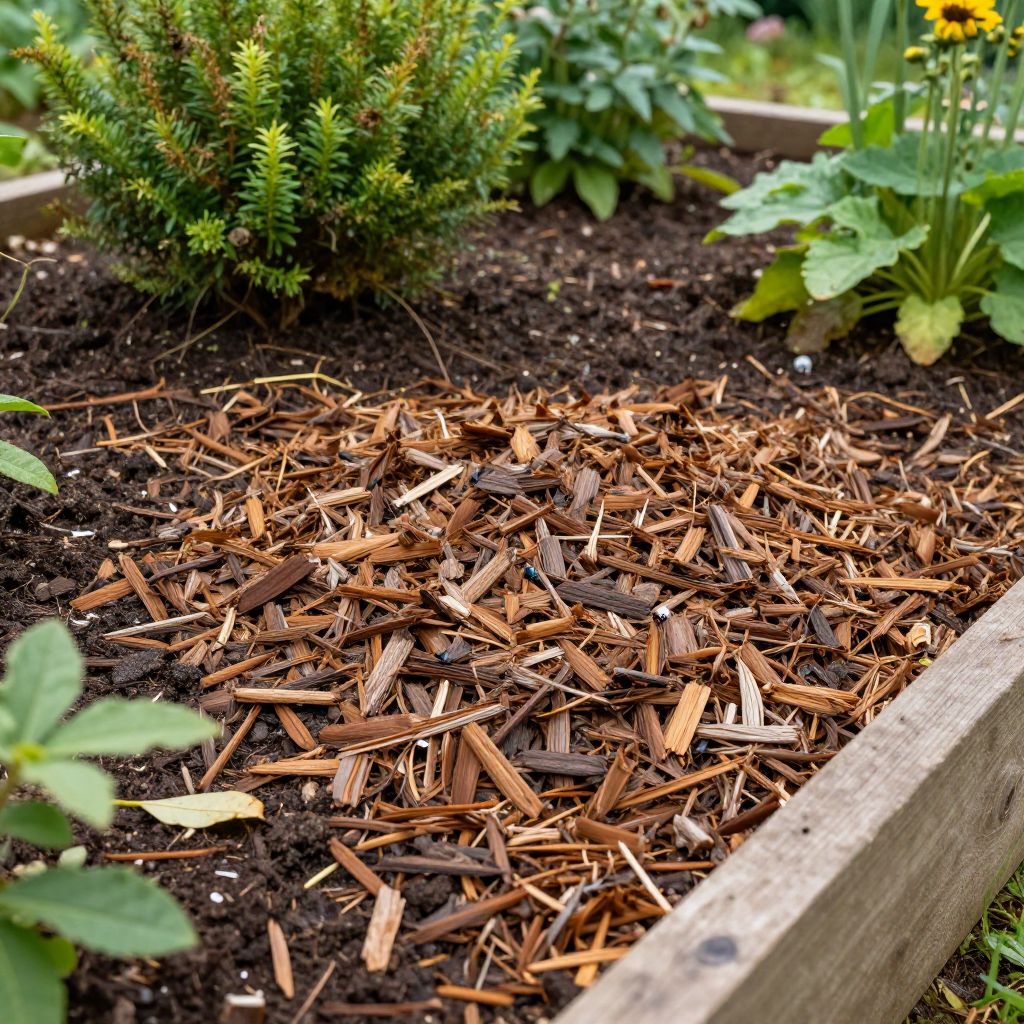
Does mulch attract bugs? Sometimes it does—but usually not in the way gardeners fear. Mulch can provide shelter for beneficial insects, moisture-loving decomposers, and, if conditions are too damp, a few pests that prefer hidden, humid spaces.
The real issue is not mulch itself, but how it is used. With the right material, depth, and placement, mulch can improve soil health while keeping pest problems low.
Does mulch attract bugs?
Yes, mulch can attract insects because it creates shade, holds moisture, and offers cover. Most of these bugs are harmless or helpful, such as beetles, springtails, and decomposers. Problems usually happen when mulch stays too wet, is piled too deep, or touches plant stems and house foundations.
Why mulch can seem bug-friendly
Mulch changes the environment at the soil surface. That is good for roots, but it also creates the kind of protected habitat many small creatures like.
What bugs are commonly found in mulch?
- Beneficial decomposers such as earthworms, pillbugs, and beetles that help break down organic matter.
- Moisture-loving insects like springtails and fungus gnats, especially in very wet mulch or soggy beds.
- Occasional pests such as ants, earwigs, slugs, or sowbugs when mulch is thick and damp.
- Occasional nesting insects if mulch is piled against structures or left undisturbed for long periods.
In most gardens, seeing bugs in mulch is normal and not a sign of a serious infestation. The key question is whether they are damaging plants, moving indoors, or multiplying because the site is too wet.
What mulch does to the garden environment
- It retains moisture, which helps roots but also favors some insects and fungi.
- It blocks light, which reduces weeds and can also hide pests.
- It moderates soil temperature, making conditions more stable for roots and soil organisms.
- It breaks down over time, feeding soil life and improving structure.
Which mulch types are more likely to attract bugs?
Some mulch materials are more attractive to insects simply because they hold more moisture or decompose faster. That does not make them bad choices, but it does change how you should use them.
Organic mulches
Wood chips, bark, shredded leaves, pine straw, straw, and composted leaf mulch are all organic materials. They generally support more soil life than inorganic mulches because they feed decomposers as they break down.
Wood-based mulches often attract the most visible insect activity because they stay cool and moist underneath. That is usually normal, especially in shaded beds.
Inorganic mulches
Gravel, stone, and rubber mulch usually attract fewer decomposers because they do not break down. However, they can still shelter ants, spiders, or other insects if debris collects underneath.
These materials are not automatically better for pest control. In hot climates, stone can increase soil heat and stress roots, while rubber may not improve soil at all.
How to use mulch without inviting pest problems
Good mulch management is the best way to avoid bug trouble. The goal is to keep soil covered without creating a wet, hidden zone that pests love.
Apply the right depth
- Use about 2 to 4 inches for most landscape beds.
- Use less in heavy clay soils or in damp, shaded sites if drainage is already poor.
- Use more only where the mulch is coarse and airy, such as larger wood chips, and even then avoid excessive buildup.
Too much mulch can trap moisture, slow oxygen exchange, and create ideal conditions for slugs, pillbugs, and fungal growth. A deep mulch layer is not better if it stays wet for long periods.
Keep mulch away from stems and trunks
Do not mound mulch against tree trunks, shrub stems, or plant crowns. Leave a gap of a few inches around smaller plants and a wider open ring around trees.
This simple step helps prevent rot, discourages pests from hiding directly against the plant, and makes it easier to spot problems early.
Water the soil, not the mulch
Mulch works best when water reaches the root zone and then the surface can dry a bit between waterings. If you constantly soak mulch, you create a damp shelter that can encourage gnats, slugs, and fungus growth.
If you use drip irrigation or soaker hoses, place them under or just beneath the mulch so water goes where roots need it.
When bugs in mulch are a problem
Not every insect in mulch is harmful, but certain signs mean you should investigate further. Look at the pattern of activity, not just the presence of bugs.
Warning signs to watch for
- Plants wilting even though soil is moist, which may point to root issues or stem damage.
- Chewed leaves, seedlings disappearing, or damaged stems near the soil line.
- Ant trails, especially if they are nesting near foundations or moving into containers.
- Slugs or snails feeding at night on tender foliage.
- Fungus gnats or tiny flies emerging from persistently wet mulch or potting mix.
If you only see insects under the mulch and plants look healthy, the mulch is probably functioning as intended. If plants decline, check drainage, watering habits, and mulch thickness before reaching for a pesticide.
How to reduce bugs in mulch naturally
Most mulch-related pest issues can be improved with simple cultural changes. Start with moisture control and cleanup, because those are usually the root of the problem.
Step-by-step troubleshooting
- Lift and inspect the mulch in a few spots to see whether it is soggy, compacted, or decomposing too quickly.
- Check soil drainage by digging a small hole and seeing whether water lingers after rain or irrigation.
- Thin the mulch layer if it is deeper than needed, especially in shaded or rainy areas.
- Pull mulch back from stems and trunks to improve air movement and reduce hiding places.
- Remove decaying plant debris that can feed pests and fungal growth.
- Adjust watering so the bed is moist, not constantly saturated.
Extra tips for problem spots
- In shady beds, use a coarser mulch that allows more airflow.
- In wet climates, avoid very fine mulch that mats down tightly.
- Near foundations, keep mulch several inches away from siding and inspect regularly for ants or termites.
- In vegetable beds, refresh mulch more often so it does not become a thick, soggy layer.
Best mulch choices if you worry about bugs
If your garden has a history of slug damage, fungus gnats, or excess moisture, choose mulch that matches the site rather than using the same material everywhere.
Good options for many gardens
- Coarse wood chips for shrubs, trees, and perennial beds with decent drainage.
- Shredded leaves for improving soil while keeping the surface covered.
- Pine straw for lighter coverage in beds where airflow matters.
- Composted mulch where you want a finer finish and faster breakdown.
For very wet or compacted areas, a thinner layer of a coarser mulch is often better than a thick blanket of fine material. The structure of the mulch matters as much as the type.
Mulch in vegetable gardens, flower beds, and around trees
The right mulch strategy depends on the planting area. A mulch that works well around mature shrubs may be too heavy for seedlings or too moist for a vegetable row.
Vegetable gardens
Use mulch after the soil has warmed and seedlings are established. Keep it light around small plants and avoid burying stems. Straw, shredded leaves, and composted leaf mulch are common choices, but monitor for slugs if your garden stays damp.
Flower beds and perennials
Perennial beds often benefit from organic mulch because it helps conserve moisture and suppress weeds. Just keep the layer even and not overly deep, especially around crowns that need airflow.
Trees and shrubs
Mulch is especially useful here because it protects roots and reduces lawn competition. The main mistake is piling it into a cone against the trunk, which can invite rot and create a hiding place for pests.
Common mistakes that attract more bugs
Most mulch problems come from a few avoidable habits. If you correct these, bug pressure usually drops without much effort.
- Using too much mulch and creating a wet, airless layer.
- Mulching against stems or trunks, which traps moisture and hides pests.
- Leaving rotting debris under the mulch.
- Overwatering so the mulch stays constantly damp.
- Ignoring drainage problems and blaming the mulch alone.
- Letting mulch mat down into a dense layer that blocks air movement.
Conclusion: mulch smart, not fearfully
Does mulch attract bugs? Yes, but usually the harmless or helpful kind, and only occasionally pests when conditions are too wet or the mulch is too deep. Use the right material, keep mulch a few inches away from stems, and watch drainage closely.
If you want to keep your beds healthy, inspect your mulch this week, thin any overly deep areas, and adjust watering so the soil stays moist without staying soggy. For more practical garden care tips, you may also want to read about how to improve garden soil structure and choosing the best mulch for your landscape.