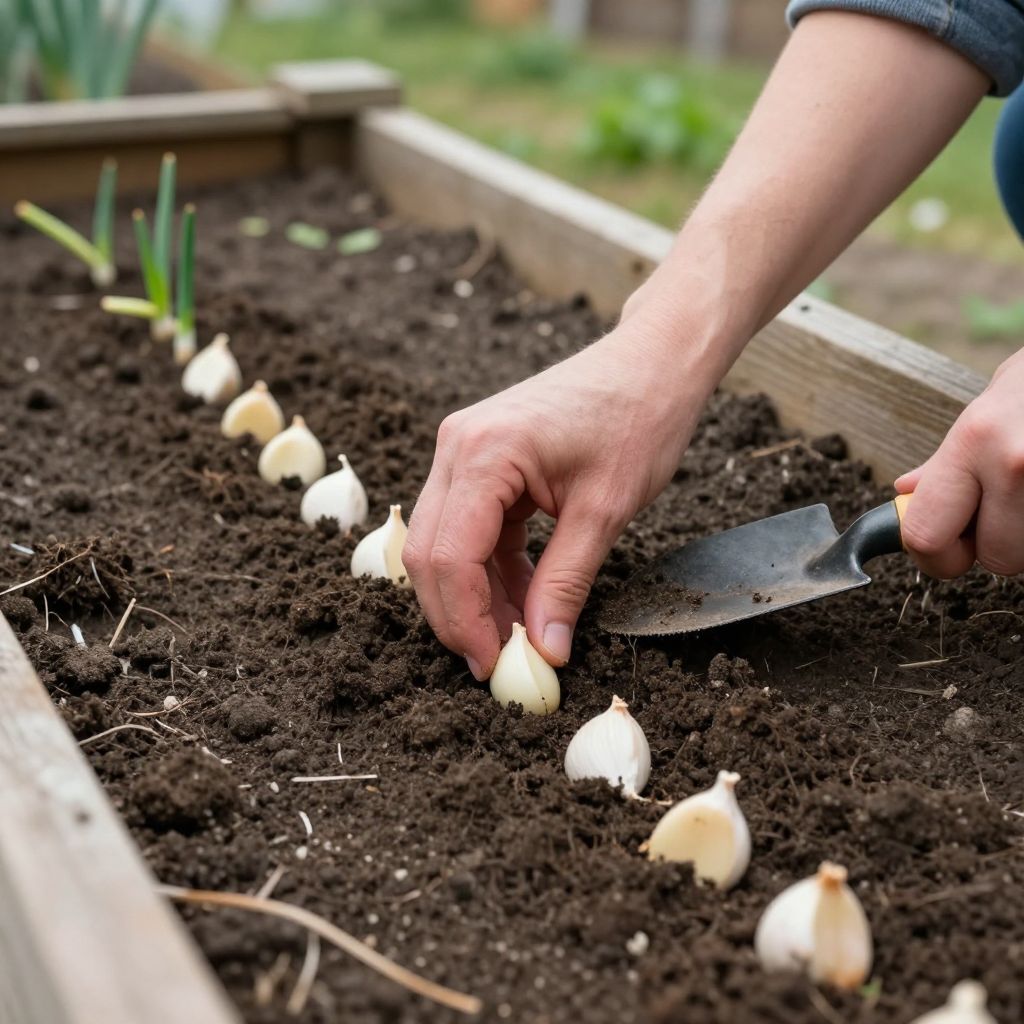
Can you plant garlic in the spring? Yes, you can—but spring-planted garlic usually behaves differently from garlic planted in autumn. It may form smaller bulbs, and in many climates it needs a bit more attention to soil moisture, spacing, and variety choice to give a worthwhile harvest.
If you missed the fall planting window, spring planting is still a practical option for home gardeners. The key is to plant as early as your soil can be worked, choose the right type of garlic, and give the plants a long, steady growing season.
Can you plant garlic in the spring?
Yes. Spring planting works, especially in cold-winter regions where fall planting may not be possible or where the soil stayed frozen too long. Spring-planted garlic often produces smaller bulbs than fall-planted garlic, but it can still give a useful harvest if planted early, grown in full sun, and kept evenly watered.
How spring-planted garlic grows differently
Garlic is usually planted in autumn because it benefits from a cold period and a long growing season. When planted in spring, it skips that long winter root-building phase, so the bulbs often have less time to size up before summer heat arrives.
That does not mean spring garlic is a failure. It simply means you should expect a more modest crop and manage the plants carefully from day one.
What to expect from your harvest
- Smaller bulbs than fall-planted garlic are common.
- Some plants may form single-round bulbs if the season is short.
- Early planting in spring gives the best chance of full bulb development.
- Softneck and hardneck types can both be grown, but local climate matters.
When to plant garlic in spring
Plant garlic as soon as the soil is workable and no longer waterlogged. In many gardens, that means very early spring, sometimes while nights are still cold. The earlier you can get cloves into the ground, the better the bulb development tends to be.
If you wait until late spring, the plants may still grow green tops, but bulb size usually drops because warm weather speeds the crop toward maturity.
Signs your soil is ready
- You can dig and crumble the soil without it sticking heavily to your tools.
- The bed drains well after rain or snowmelt.
- Soil is cool, but not frozen.
Choosing the right garlic for spring planting
Use healthy, firm bulbs from a reliable source. Grocery-store garlic can sprout, but it is not always the best choice because it may be treated to reduce sprouting or may not be suited to your climate.
For spring planting, many gardeners prefer hardneck garlic in colder regions because it is adapted to chill, while softneck garlic often performs better in milder climates. If you are unsure, ask a local nursery or extension service which types do best where you live.
What to look for in seed garlic
- Large, plump bulbs with intact wrappers
- Cloves that are firm and free of mold or soft spots
- No signs of damage, shriveling, or rot
- Varieties known to grow well in your region
How to plant garlic in spring
Garlic is simple to plant, but the details matter. Each clove becomes one bulb, so use the biggest, healthiest cloves from the bulb for the strongest plants.
- Break the bulb apart into individual cloves just before planting.
- Keep the papery skins on each clove.
- Choose a sunny bed with loose, well-drained soil.
- Plant each clove pointed end up, root end down.
- Set cloves about 2 inches deep in light soil or a little shallower in heavy soil if drainage is good.
- Space cloves about 4 to 6 inches apart in rows 8 to 12 inches apart.
- Water the bed after planting if the soil is dry.
In colder spring climates, a light mulch can help conserve moisture and moderate soil temperature. In wetter areas, use mulch carefully so it does not keep the bed too damp.
Soil and bed preparation
Garlic does best in loose, fertile soil with good drainage. Heavy clay can work if you improve it with compost and avoid planting where water sits after rain.
- Mix in compost before planting to improve structure and fertility.
- Avoid fresh manure, which can encourage excess leafy growth and poor bulb formation.
- Do not plant in soggy soil or low spots that stay wet.
Sunlight, watering, and feeding
Garlic needs full sun for best bulb growth. Aim for at least 6 hours of direct sun daily, and more is even better in cooler climates.
Water consistently while the plants are actively growing, especially in spring and early summer. The soil should stay evenly moist, not saturated. As bulbs begin to mature and the tops start to yellow, reduce watering so the bulbs can dry down properly.
Simple care guidelines
- Sun: Full sun
- Water: Keep soil evenly moist, especially during active growth
- Mulch: Helpful in many gardens, but keep it light in wet climates
- Feeding: Compost at planting is often enough for home gardens; avoid overfeeding with nitrogen
If your soil is poor, a light side-dressing of compost during early growth can help. Too much nitrogen can produce lush leaves but smaller bulbs, so avoid heavy feeding once the plants are established.
Common problems with spring-planted garlic
Most garlic problems come from timing, drainage, or stress during bulb formation. Catching these issues early can make a big difference in the final harvest.
Small bulbs
This is the most common issue with spring planting. Plant as early as possible, choose large cloves, and keep the bed weed-free so the plants do not compete for water and nutrients.
Yellowing leaves
Some lower leaf yellowing is normal as garlic matures, but early yellowing can signal poor drainage, drought stress, or nutrient imbalance. Check soil moisture first, then inspect for rot or pests.
Rotting cloves
Cloves may rot if planted in cold, wet soil or in beds with poor drainage. If you have heavy soil, raise the bed or improve drainage before planting.
Pests and disease
- Onion maggots can damage bulbs and roots.
- Thrips may cause streaking or silvery leaf damage.
- Fungal diseases are more likely in crowded, damp plantings.
To reduce problems, rotate garlic and other alliums to a different bed each year if possible, remove plant debris after harvest, and avoid overhead watering late in the day.
Should you remove garlic scapes?
If your spring-planted garlic is a hardneck type, it may produce scapes, which are curly flower stalks. Removing them can help the plant direct more energy into bulb growth, especially in a short season.
Snap or cut the scape once it starts to curl, before it fully straightens. This is a simple way to improve bulb size in many gardens.
Harvesting spring-planted garlic
Spring garlic usually matures later than fall-planted garlic. Watch the leaves rather than relying only on the calendar. When several lower leaves have browned and the upper leaves are still partly green, the bulbs are often nearing harvest.
Dig rather than pull the bulbs so you do not bruise them. Loosen the soil with a fork or trowel, then lift the bulbs carefully.
After harvest
- Brush off loose soil, but do not wash the bulbs.
- Dry them in a shaded, airy place for curing.
- Keep curing until the necks are dry and the wrappers are papery.
- Store cured garlic in a cool, dry, well-ventilated spot.
Proper curing matters because it improves storage life and helps prevent mold. If the bulbs are harvested too early or stored while damp, they may not keep well.
Can you plant garlic in the spring in containers?
Yes. Container growing is a good option if your garden soil is heavy or if you only have a patio or balcony. Use a pot that is deep enough for root growth and has excellent drainage holes.
Choose a container filled with a high-quality potting mix blended with compost. Keep it in full sun and water more often than in-ground plantings, since containers dry out faster.
Container tips
- Use a pot at least 8 to 12 inches deep.
- Do not let the container sit in standing water.
- Plant cloves at the same spacing you would use in the ground, or slightly wider if the pot is small.
Best practices for a better spring garlic crop
Spring garlic rewards simple, careful gardening. Start early, plant in rich but well-drained soil, and keep the bed evenly moist without overwatering.
Most importantly, manage expectations. Spring planting can absolutely work, but it is usually a backup plan rather than the highest-yield method. If your climate allows fall planting, that remains the better route for larger bulbs.
Conclusion
If you missed fall planting, do not skip garlic altogether. Plant it in early spring, choose healthy cloves, give it full sun and good drainage, and you can still harvest a useful crop. For more seasonal vegetable-growing guidance, you may also want to read related gardening articles on planting timing and soil preparation.
Leave a Reply