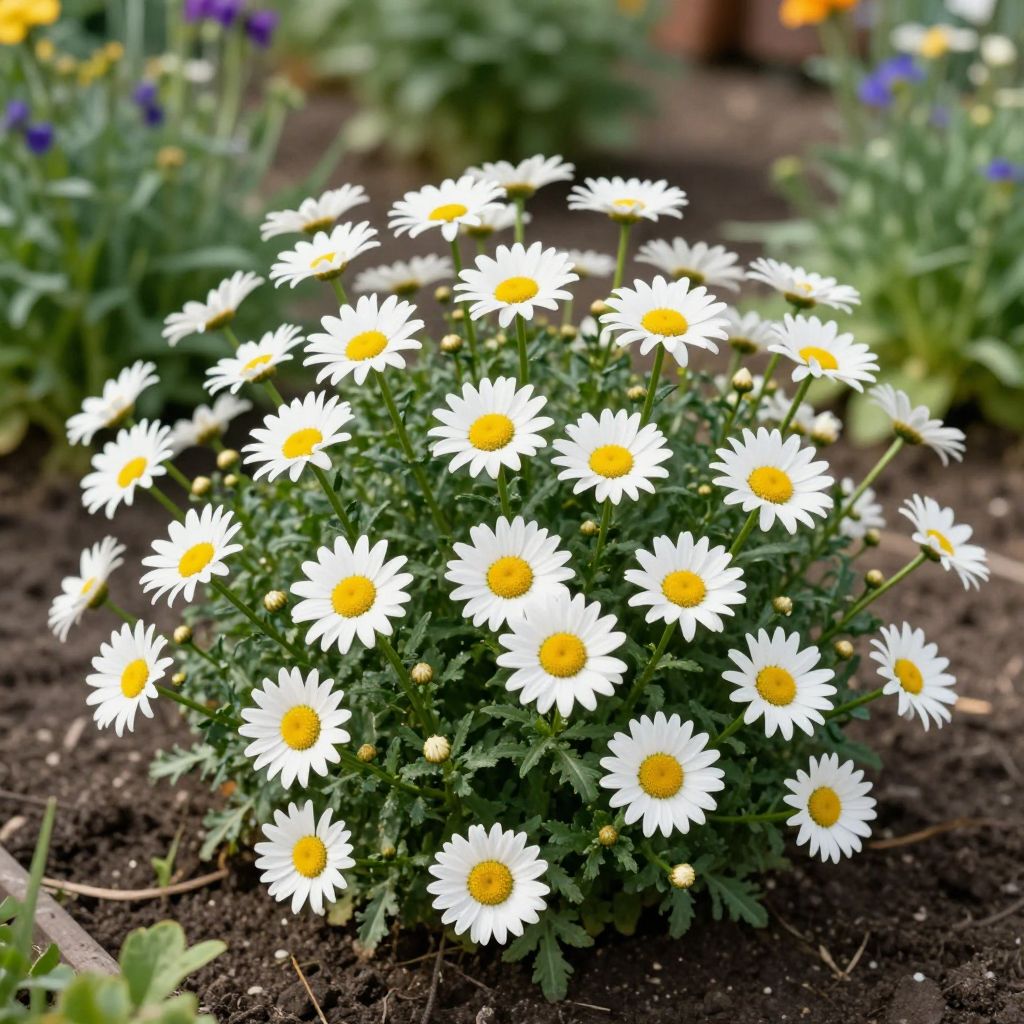
When do daisies bloom? The short answer is that most daisies bloom from late spring into summer, but the exact timing depends on the type of daisy, your climate, and how well the plants are growing. Some bloom earlier in mild areas, while others keep flowering into fall with deadheading and good care.
If you want a longer bloom season, the key is to match the plant to your conditions. Sun, drainage, and regular trimming often matter more than fertilizer when it comes to getting reliable flowers.
When do daisies bloom?
Most garden daisies bloom in late spring through summer, with many flowering for several weeks or even months. In cooler climates, bloom may start later; in warm regions, it can begin earlier and continue longer. Deadheading, full sun, and moderate watering usually help extend the display.
What affects daisy bloom time?
Daisies are a broad group, so bloom time varies by species and growing conditions. Some are early-season perennials, while others are summer-flowering annuals or long-blooming border plants.
Type of daisy
- Shasta daisy (Leucanthemum × superbum) usually blooms in early to midsummer.
- Oxeye-type daisies often bloom in late spring to summer.
- African daisies (Osteospermum) often flower in cooler weather and may slow during extreme heat.
- Gerbera daisies can bloom for long periods in mild conditions, especially in containers.
Climate and local season
Your local weather shifts bloom timing more than a calendar does. In cooler areas, daisies may not open until the soil and air warm up. In hot climates, some types pause flowering during heat and resume when temperatures ease.
Plant age and establishment
Newly planted daisies may spend their first season building roots instead of flowering heavily. Established clumps usually bloom more reliably and often produce more flowers than young plants.
How to help daisies bloom on time and for longer
Good growing conditions encourage stronger stems, more buds, and a longer flowering season. If your daisies are healthy but not blooming, start by checking light, soil, and pruning habits.
Give them enough sun
Most daisies bloom best in full sun, which means at least 6 hours of direct light per day. In partial shade, plants may grow leggy and flower less.
Use well-drained soil
Daisies dislike soggy roots. Plant them in soil that drains well, and improve heavy clay with compost if needed. A slightly raised bed or mound can help in wet areas.
Water consistently, not constantly
Keep newly planted daisies evenly moist while they establish, then water when the top inch or two of soil feels dry. Avoid frequent shallow watering, which can weaken roots and reduce blooming.
Feed lightly
Too much nitrogen can push leafy growth at the expense of flowers. If your soil is poor, mix in compost at planting time or use a balanced, slow-release fertilizer sparingly according to label directions.
Seasonal bloom guide for daisies
Use the season as a rough guide, then adjust for your local climate and the specific daisy you grow. Bloom windows can shift by several weeks depending on weather.
Spring
- Plants begin active growth as days lengthen and temperatures rise.
- Early bloomers may start forming buds in mild regions.
- Watch for frost if you planted tender types too early.
Summer
- This is the main bloom season for many daisies.
- Deadhead spent flowers regularly to encourage new buds.
- Mulch lightly to help soil stay evenly moist in heat.
Fall
- Some daisies keep blooming into early fall if temperatures stay moderate.
- In cooler climates, flowering slows as nights get colder.
- Leave some seed heads if you want wildlife value or self-seeding.
Winter
Most outdoor daisies are dormant in winter. In mild climates, some evergreen or semi-evergreen types may stay active, but blooming is usually reduced or stopped.
Why daisies sometimes fail to bloom
If your plants are healthy-looking but flowerless, the problem is often environmental rather than disease-related. A few common issues can delay or reduce blooming.
- Too little sun: move container plants or divide crowded clumps into a brighter spot.
- Too much nitrogen: reduce high-nitrogen lawn fertilizer drift or overfeeding.
- Overwatering: soggy soil can weaken roots and limit flower production.
- Old, crowded plants: divide perennial daisies every few years if flowering declines.
- Heat stress: some types bloom less during hot spells and recover when temperatures cool.
Pruning and deadheading for more flowers
Deadheading is one of the simplest ways to keep daisies blooming. Removing faded blooms prevents the plant from putting energy into seed production.
- Cut or pinch off spent flowers just above a leaf set or side bud.
- Remove damaged or yellowing stems to improve airflow.
- After the main flush of bloom, trim back leggy growth if the plant looks tired.
- At the end of the season, cut back perennials as needed once flowering is finished.
Tip: If you want seeds, leave a few flowers untrimmed near the end of the season and let them dry naturally.
Common pests and diseases that affect blooming
Pests and disease can reduce flower count by stressing the plant or damaging buds. Catch problems early so the plant can keep producing blooms.
Common pests
- Aphids: cluster on new growth and buds; rinse off with water or use insecticidal soap if needed.
- Slugs and snails: chew leaves and young shoots, especially in damp gardens.
- Spider mites: may appear in hot, dry conditions and cause stippled leaves.
Common diseases
- Powdery mildew: a white coating on leaves, often in crowded or dry-but-humid conditions.
- Root rot: caused by poor drainage or overwatering.
- Leaf spot: can appear in wet weather or where airflow is poor.
To reduce problems, space plants properly, water at the base, and remove diseased foliage promptly. Healthy, unstressed plants bloom better and longer.
Can you grow daisies in containers?
Yes, many daisies grow well in pots, especially if you can control drainage and sunlight. Container growing can also make it easier to move plants into better light during the season.
- Choose a pot with drainage holes.
- Use a quality potting mix, not garden soil.
- Water when the top layer of mix dries out.
- Deadhead often to keep blooms coming.
- Watch container plants closely in hot weather, since pots dry faster than garden beds.
How to extend the daisy bloom season
You can often stretch blooming by combining good site selection with steady maintenance. The goal is to keep the plant growing without pushing it into stress.
- Plant in full sun with well-drained soil.
- Mulch to moderate soil temperature and moisture.
- Deadhead regularly through the bloom period.
- Divide overcrowded perennial clumps when flowering declines.
- Protect plants from extreme heat or cold when possible.
Conclusion
So, when do daisies bloom? Most bloom from late spring through summer, with timing shaped by variety, climate, and care. If you want more flowers, focus on sun, drainage, and deadheading rather than heavy feeding. Check your plants this week, remove spent blooms, and see whether they need more light or a better-drained spot.
For more practical flower-growing advice, you may also want to read about how to deadhead flowers for longer bloom and choosing the best sunny border plants.
Leave a Reply