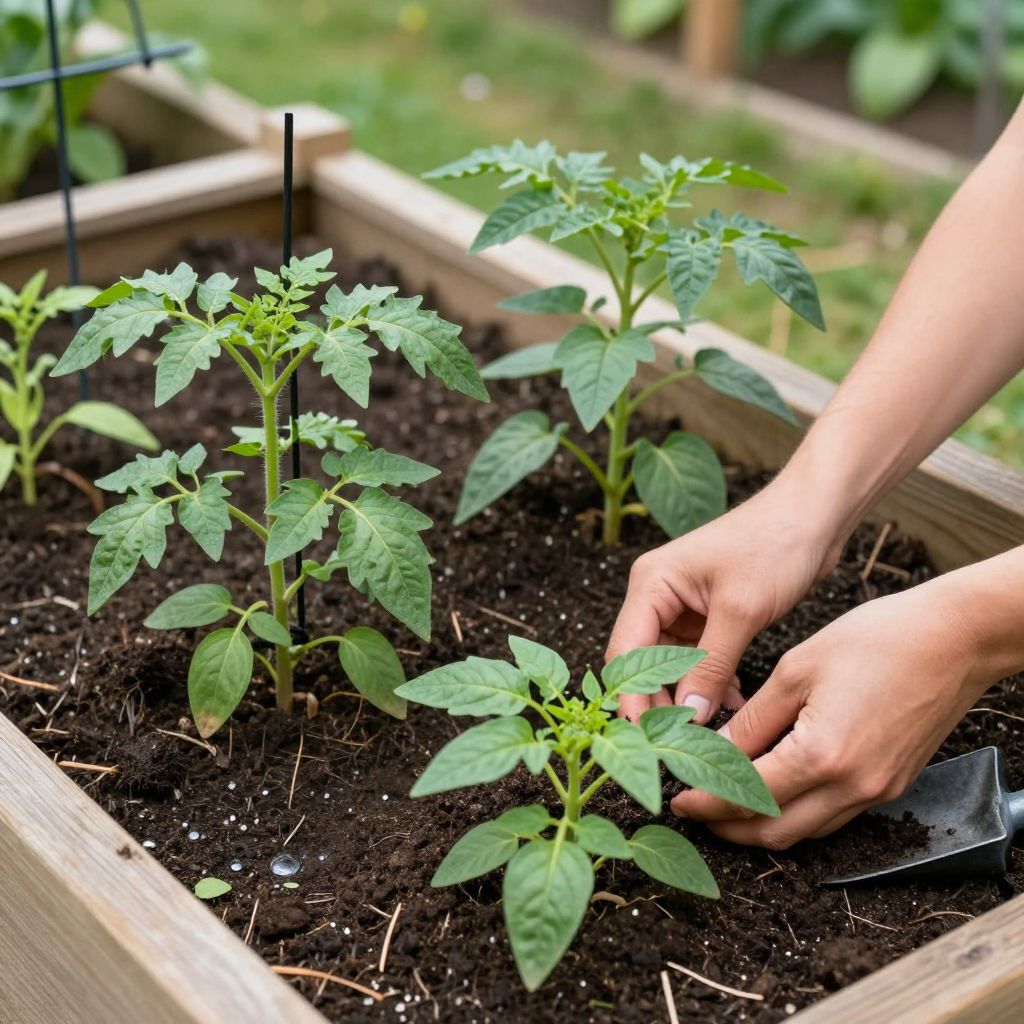
Can you plant peppers and tomatoes together? Yes—these two warm-season crops can grow well side by side if you give them enough space, sun, airflow, and consistent care. They share similar growing needs, so a mixed bed or container setup can be efficient for small gardens.
The main challenge is that tomatoes and peppers also share some pests and diseases, so good spacing, watering habits, and crop rotation matter. With the right setup, you can grow both successfully without crowding or creating avoidable disease pressure.
Can you plant peppers and tomatoes together?
Yes, peppers and tomatoes can be planted together because they prefer similar warm temperatures, full sun, fertile soil, and steady moisture. The key is to avoid overcrowding, keep foliage dry when possible, and manage pests and disease carefully since both crops can attract similar problems.
Why peppers and tomatoes work well in the same garden
Tomatoes and peppers are both warm-season plants in the nightshade family, so their basic care overlaps. That makes them convenient companions in raised beds, in-ground rows, or large containers when space is limited.
Shared growing needs
- Sun: Both need full sun for strong growth and fruiting.
- Soil: Both do best in loose, well-drained soil enriched with compost.
- Water: Both prefer even moisture rather than frequent drying out and soaking.
- Temperature: Both are sensitive to cold and perform best in warm weather.
Why companion planting can help
Growing them together can make watering, mulching, staking, and harvesting more efficient. It also lets you use one bed for a compatible group of crops instead of separating plants with nearly identical needs.
When planting them together can cause problems
The main risk is not incompatibility—it is crowding and disease management. If plants are packed too tightly, airflow drops, leaves stay damp longer, and fungal problems become more likely.
Common issues to watch for
- Blight and leaf spot: More likely when foliage stays wet and plants are crowded.
- Aphids and whiteflies: These pests can move between nearby host plants.
- Competition for light: Tall tomato plants can shade pepper plants if spacing is poor.
- Nutrient imbalance: Heavy feeding for tomatoes can sometimes push lush leaf growth at the expense of balanced pepper growth if the bed is overfertilized.
How to plant peppers and tomatoes together successfully
Start with a site that gets at least 6 to 8 hours of direct sun daily, then give each plant enough room to mature. Good spacing and airflow are the biggest factors in keeping mixed plantings healthy.
Step-by-step planting guide
- Choose a sunny location. Avoid spots shaded by fences, trees, or tall crops.
- Improve the soil. Mix in compost to create fertile, well-drained ground.
- Set proper spacing. Tomatoes usually need more room than peppers, so plan for the tomato plant’s mature size first.
- Place taller plants carefully. Put staking or cages in before planting so you do not disturb roots later.
- Mulch after planting. A 2- to 3-inch layer helps conserve moisture and reduce soil splash onto leaves.
- Water at the base. Keep water off foliage when possible to reduce disease risk.
Spacing guidelines to use as a starting point
- Tomatoes: Often 24 to 36 inches apart, depending on variety and support method.
- Peppers: Often 12 to 18 inches apart.
- Between rows or bed blocks: Leave enough room to walk, harvest, and maintain airflow.
If you are growing both in one bed, place tomatoes where they will not shade peppers for most of the day. In smaller gardens, use the back of the bed for tomatoes and the front for peppers.
Soil, compost, and drainage requirements
Both crops prefer fertile soil that drains well but still holds enough moisture for steady growth. Heavy, waterlogged soil can slow roots and increase disease problems.
Best soil setup
- Work in compost before planting to improve structure and fertility.
- Avoid fresh manure unless it is fully composted and suitable for vegetable beds.
- Make sure raised beds or containers drain freely.
- If your soil is dense clay, loosen it deeply and add organic matter over time rather than relying on quick fixes.
Peppers are especially sensitive to soggy soil. If your garden tends to stay wet after rain, raised beds or mounded rows can make mixed planting much easier.
Watering and mulch: the balance that matters most
Tomatoes and peppers both do best with deep, regular watering rather than frequent light sprinkles. The goal is even moisture, not constantly wet soil.
Practical watering tips
- Water at the soil line instead of overhead when possible.
- Check soil moisture before watering; the top inch may dry faster than the root zone.
- Use mulch to reduce evaporation and keep soil temperature steadier.
- Water more often during hot, windy weather and less often during cool, cloudy periods.
Uneven watering can cause blossom-end rot in both crops, especially in peppers and tomatoes with developing fruit. Consistent moisture is one of the simplest ways to reduce that risk.
Sunlight, support, and pruning in mixed plantings
Because tomatoes grow taller and broader, they can easily overshadow peppers. A little planning keeps both crops productive.
Support tomatoes early
- Use cages, stakes, or trellising at planting time.
- Keep tomato foliage lifted off the soil.
- Prune lightly if needed to improve airflow, but do not strip plants bare.
Let peppers keep their space
Peppers usually need less aggressive pruning than tomatoes. Remove only damaged leaves, broken stems, or low growth that touches the soil.
If tomatoes become too leafy, they can block light from peppers and slow flowering. Thin only enough to improve airflow and light penetration, especially in humid climates.
Pests and diseases to monitor when growing both crops
Because peppers and tomatoes are related, they can share several pests and diseases. Mixed planting is still fine, but it means you should inspect both crops regularly.
Common pests
- Aphids: Cluster on new growth and can distort leaves.
- Whiteflies: Often found on leaf undersides and can weaken plants.
- Hornworms: A major tomato pest that can strip foliage quickly.
- Flea beetles: May chew small holes in young plants.
Common diseases
- Early blight: Often starts on lower tomato leaves and spreads in wet conditions.
- Septoria leaf spot: Common on tomatoes in humid weather.
- Bacterial spot: Can affect both peppers and tomatoes.
- Powdery mildew: More likely when airflow is poor.
Prevention tips that really help
- Rotate crops if possible; avoid planting tomatoes or peppers in the same spot year after year.
- Remove diseased leaves promptly and dispose of them, not in the compost pile if disease is active.
- Keep weeds down, since they can shelter pests and reduce airflow.
- Inspect leaf undersides weekly during peak season.
Container growing: can you plant peppers and tomatoes together in pots?
Yes, but container size matters a lot. A pot that is too small will dry out quickly and limit root growth, especially for tomatoes.
Container rules of thumb
- Use a very large container if you want to combine them.
- Choose a pot with excellent drainage holes.
- Use high-quality potting mix, not garden soil.
- Expect to water more often than in-ground beds, especially in hot weather.
In many cases, a better container strategy is to grow one tomato and one or more peppers in separate nearby pots rather than forcing both into a single small container. That gives each plant enough root space and makes watering easier.
Best planting combinations and layout ideas
To keep the bed productive, think about height and airflow. Tomatoes should not cast all-day shade over peppers.
Simple layout options
- Back-and-front bed: Tomatoes in the back, peppers in front.
- Alternating rows: Works only if spacing is generous and plants are supported.
- Mixed containers: Best for patio gardens when each plant has enough root room.
If you garden in a humid climate, give even more space than the minimum. Extra airflow can make the difference between healthy plants and repeated leaf disease.
Harvesting and ongoing care
Once plants start producing, keep harvesting regularly to encourage more fruit. Pick tomatoes when they reach mature color and peppers when they are firm and full-sized for the variety you are growing.
Maintenance checklist through the season
- Check ties and supports so stems do not rub or break.
- Remove yellowing lower leaves from tomatoes if they touch the soil or show disease.
- Watch for water stress during heat waves.
- Continue inspecting for pests on both crops.
Healthy mixed plantings often need less fuss than separate beds because the care routine is similar. The main difference is remembering that tomatoes are usually the bigger, more aggressive plant.
Common mistakes to avoid
- Planting too close together: This is the most common problem and the easiest to prevent.
- Letting tomatoes shade peppers: Poor light reduces pepper flowering and fruiting.
- Overwatering heavy soil: Wet roots invite disease and slow growth.
- Skipping support: Tomatoes need cages or stakes early, not after they flop over.
- Ignoring crop rotation: Repeated planting in the same soil increases disease pressure over time.
Conclusion: a smart pairing with a few rules
So, can you plant peppers and tomatoes together? Absolutely—if you give them room, sun, drainage, and careful watering. The best results come from treating tomatoes as the taller, heavier feeder and peppers as the more compact crop that needs light and airflow.
If you are planning your next vegetable bed, sketch the layout first, set supports before planting, and leave enough space for both crops to mature well. For more help with warm-season vegetables, look for related guidance on tomato growing basics and pepper plant care.