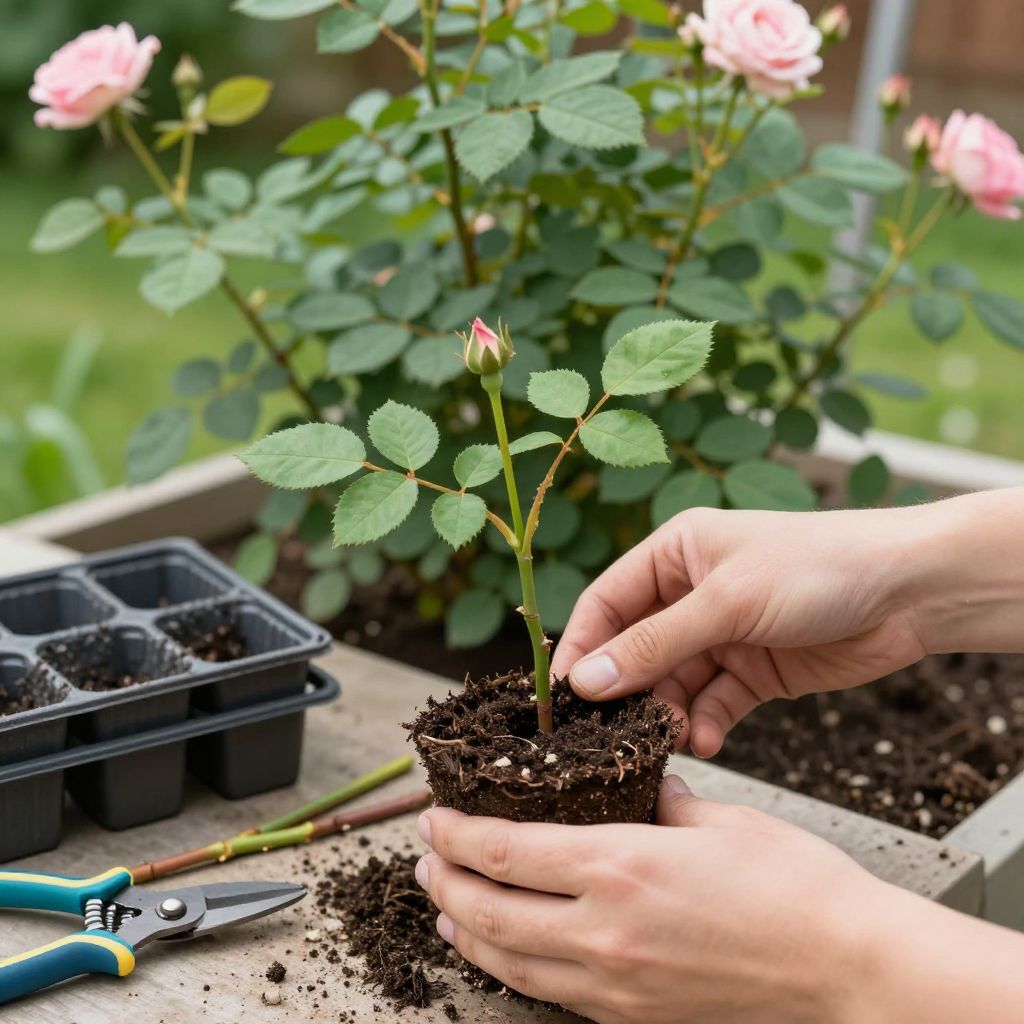
Can you propagate roses? Yes—most roses can be multiplied at home from cuttings, layering, grafting, or by collecting and sowing seed, though some methods are far easier and more reliable than others.
If you want a true-to-type plant, cuttings and layering are usually the best options for home gardeners. Success depends on the rose type, season, moisture, and how carefully you keep the cutting or layered stem from drying out.
Can you propagate roses?
Yes, you can propagate roses, and the easiest methods for most gardeners are softwood or semi-hardwood cuttings and layering. These methods can produce a plant that matches the parent rose, while seed propagation is slower and usually used for breeding rather than preserving a named variety.
Best ways to propagate roses
Different propagation methods suit different goals. If you want a simple home project, start with cuttings or layering. If you are trying to create new rose seedlings, seed propagation is possible, but the results will vary.
1. Propagating roses from cuttings
Rose cuttings are the most common home method. You take a healthy stem, encourage it to root, and grow it on as a new plant.
Best time: late spring through summer for softwood cuttings, or late summer into early autumn for semi-hardwood cuttings, depending on your climate.
- Choose a healthy, non-flowering stem about 6 to 8 inches long.
- Cut just below a leaf node with clean, sharp pruners.
- Remove flowers and most leaves, leaving one or two sets of leaves at the top.
- Trim the lower leaves and reduce large leaves if needed to limit water loss.
- Dip the cut end in rooting hormone if you use it.
- Insert the cutting into a pot filled with a free-draining mix, such as equal parts potting mix and perlite or coarse sand.
- Water gently, then cover with a clear bag or place in a propagator to hold humidity without touching the leaves.
Keep the mix lightly moist, not soggy. Bright indirect light is ideal; strong direct sun can overheat the cutting before roots form.
2. Propagating roses by layering
Layering is a low-risk method because the stem stays attached to the parent plant while it roots. It works especially well for flexible canes.
- Select a long, healthy cane that can bend to the ground.
- Make a small wound or shallow scrape on the underside near a node.
- Bury that section in soil, leaving the tip exposed.
- Pin the stem in place with a landscape pin, stone, or bent wire.
- Keep the soil evenly moist while roots develop.
- After several weeks to months, check for roots before cutting the new plant away from the parent.
Layering is especially useful if you want a stronger start than a cutting can sometimes provide. It is slower, but often more forgiving.
3. Propagating roses from seed
Roses can be grown from seed, but seedlings are genetically different from the parent plant. This is mainly useful if you want to experiment, breed roses, or grow species roses that set viable seed.
Seeds usually need cold stratification to break dormancy. That means they are kept cool and moist for a period of time before sowing, but the exact process varies with the rose species and the seed source.
Because seed-grown roses are unpredictable, they are not the best choice if you want an exact copy of a favorite garden rose.
How to take rose cuttings successfully
Rose cuttings fail most often because they dry out, rot, or are taken from weak material. The quality of the stem matters as much as the aftercare.
Choose the right stem
- Pick a healthy stem with no signs of disease or insect damage.
- Avoid stems that are flowering heavily or already woody and old.
- Select material from vigorous growth, ideally after a flush of growth has begun to firm up.
Use a clean, airy rooting mix
Roses root best in a mix that holds some moisture but drains well. A heavy garden soil can stay too wet and encourage rot.
- Good options include potting mix blended with perlite, vermiculite, or coarse sand.
- Use small pots with drainage holes.
- Water the mix before inserting the cutting so it is evenly damp, not muddy.
Maintain humidity without causing rot
Cuttings need humidity to reduce moisture loss, but they also need airflow. A loose plastic cover can help, as long as it does not trap excessive heat or condensation.
- Open the cover briefly each day if moisture builds up.
- Remove any leaves touching the plastic.
- Watch for mold and remove affected material quickly.
Growing conditions roses need after propagation
Once a cutting or layered rose roots, it needs the same basic care as any young rose: sunlight, good drainage, and steady moisture while it establishes.
Sunlight
Most roses grow best in full sun, which usually means at least 6 hours of direct light daily. In very hot climates, some afternoon shade can reduce stress on young plants.
Soil and drainage
Roses prefer fertile, well-drained soil with plenty of organic matter. If your soil is heavy clay, improve drainage with compost and careful bed preparation rather than simply digging a hole and hoping for the best.
- Mix in compost to improve structure and water retention balance.
- Avoid planting in spots where water pools after rain.
- Raised beds can help in wet or compacted sites.
Watering
Newly rooted roses need consistent moisture while they establish, but they should not sit in wet soil. Water deeply when the top layer of soil begins to dry, adjusting for rainfall, heat, pot size, and wind.
Container-grown propagated roses usually dry out faster than those in the ground, so check them more often.
Common problems when propagating roses
Most propagation problems are easy to diagnose if you look at the stem, the rooting mix, and the environment.
Cuttings wilt quickly
This usually means the cutting is losing more moisture than it can replace. Reduce leaf area, increase humidity, and move the cutting out of direct sun.
Stems turn black or mushy
This often points to rot. The mix may be too wet, the pot may lack drainage, or the cutting may have been taken from unhealthy tissue. Start again with cleaner tools and a lighter mix.
No roots form
Some rose varieties root more readily than others. If a cutting has stayed firm and green but not rooted, it may simply need more time. If it shrivels or browns, the conditions are likely too dry or too hot.
Leaves yellow or drop
Some leaf drop is normal during rooting, but widespread yellowing can mean poor drainage, low light, or stress from heat. Keep conditions stable and avoid overwatering.
Pruning and maintenance for young propagated roses
Once a propagated rose is established, light pruning helps shape the plant and encourage branching. Avoid heavy pruning on a very young plant until it has strong roots and steady growth.
- Remove dead or weak stems first.
- Cut just above an outward-facing bud when shaping the plant.
- Deadhead spent blooms to encourage repeat flowering on many garden roses.
Keep an eye out for common rose pests such as aphids, spider mites, and thrips, especially on tender new growth. Fungal issues like black spot and powdery mildew are more likely in crowded, damp, or poorly ventilated conditions.
What to avoid when propagating roses
A few simple mistakes can lower your success rate quickly.
- Do not use diseased parent plants.
- Do not let cuttings dry out before planting them.
- Do not overwater the rooting mix.
- Do not place tender cuttings in hot, direct sun.
- Do not expect seed-grown roses to match the parent plant.
When to transplant a rooted rose
Move a rooted cutting or layered rose only after it has developed a healthy root system and shown steady new growth. A gentle tug test can help, but don’t rush it; weak roots are easily damaged.
Transplant into a larger pot or prepared garden bed with good drainage. Water well after planting, then keep the soil evenly moist while the plant settles in.
Conclusion
Can you propagate roses? Absolutely. For most home gardeners, cuttings and layering are the most practical methods, and both can produce a new rose that is true to the parent plant. Start with a healthy stem, provide bright light and free-draining soil, and keep moisture steady while roots develop.
If you want to keep learning about rose care, look for related guides on pruning, soil preparation, and pest control so your new plant has the best chance to thrive.