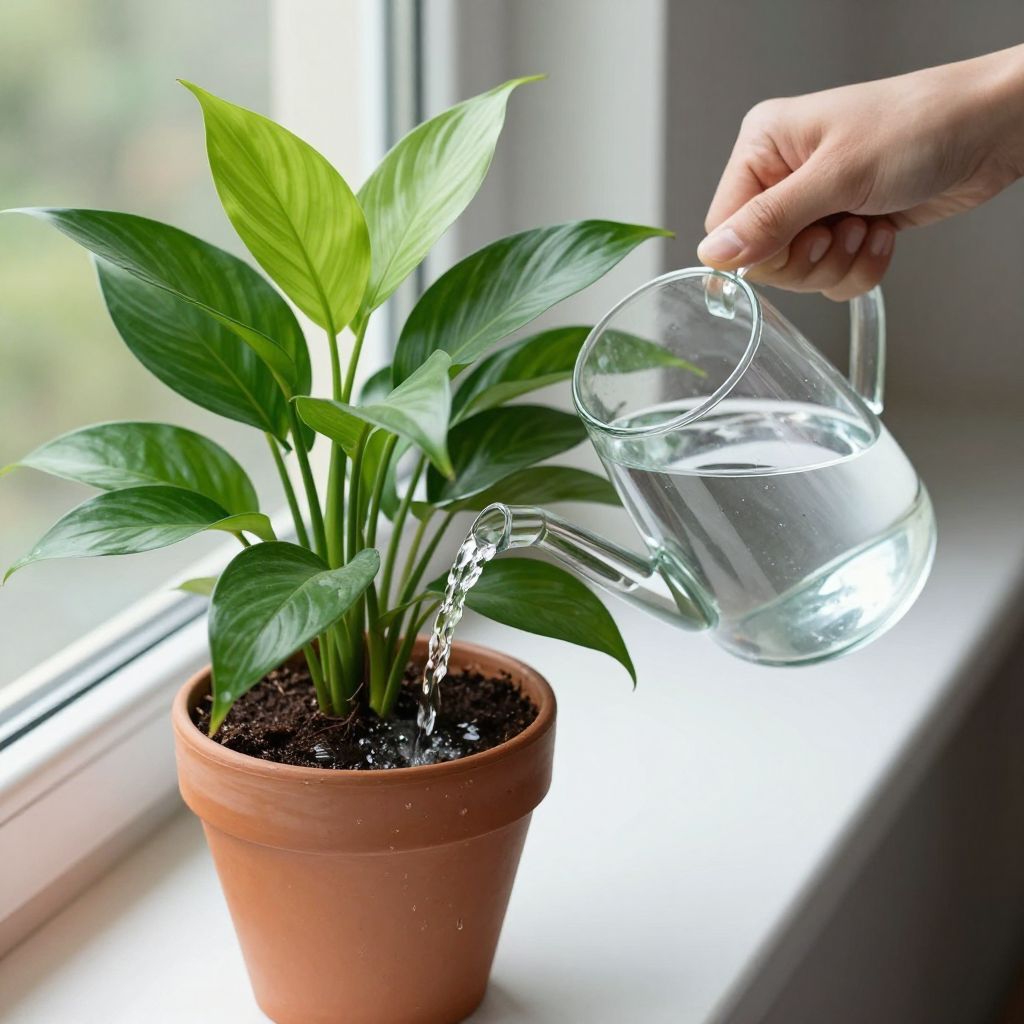
Can you water plants with distilled water? Yes, you can, and in many cases it is perfectly safe for short-term use or for sensitive indoor plants. Distilled water is free of dissolved minerals, so it will not add salts or chlorine, but that also means it does not supply the calcium, magnesium, and other trace elements plants eventually need.
For most houseplants, distilled water is a useful option when your tap water is very hard, heavily chlorinated, or otherwise poor quality. The key is to understand when it helps, when it is unnecessary, and how to keep plants healthy if distilled water is your main watering source.
Can you water plants with distilled water?
Yes. Distilled water is safe for most plants because it is clean and free of mineral buildup, chlorine, and many contaminants. The main concern is not toxicity but nutrition: if you use distilled water all the time, plants still need nutrients from soil or fertilizer because the water itself contains almost none.
What distilled water does to plants
Distilled water is essentially purified water. It has had most dissolved minerals removed, which makes it different from tap water, rainwater, or well water.
Why gardeners use it
- Less salt buildup in potting mix, which can matter for container plants.
- Fewer issues from hard-water minerals that can leave crust on soil and pots.
- No added chlorine or chloramine from municipal water, which some gardeners prefer to avoid.
- Useful for very sensitive plants, especially some indoor tropicals and seedlings.
What it does not provide
- It does not feed plants.
- It does not correct poor soil structure.
- It does not replace fertilizer in containers or depleted garden beds.
If you are growing in a healthy potting mix or garden soil, distilled water is simply a water source. Plant health still depends on light, drainage, roots, and nutrients.
When distilled water is a good choice
Distilled water is especially helpful when your regular water source causes problems or when you are growing plants that react badly to mineral-heavy water. It is often a practical choice for indoor gardening, propagation, and certain specialty plants.
Best uses for distilled water
- Houseplants in containers with visible white crust on the soil or pot rim.
- Seed starting if your tap water is very hard or heavily treated.
- Propagation in water or damp media for cuttings.
- Fussy foliage plants that show leaf-tip burn from mineral buildup.
- Plants grown in small pots where salts accumulate faster.
Plants that may benefit most
Many gardeners notice better results with orchids, carnivorous plants, some ferns, calatheas, and other sensitive indoor plants. These plants can be more affected by mineral salts than tougher houseplants like pothos or snake plants.
That said, even sensitive plants usually do best with a balanced routine: good drainage, the right amount of light, and occasional feeding when actively growing.
When distilled water is not necessary
For many plants, distilled water is optional rather than essential. If your tap water is moderate in hardness and your plants are growing well, there may be no reason to switch.
You may not need distilled water if:
- Your tap water does not leave crusty deposits on pots or soil.
- Your plants have healthy leaves and steady growth.
- You are growing outdoors in the ground, where rainfall and soil buffering reduce the impact of water quality.
- You already use rainwater, which is often a good low-mineral option.
Outdoor garden beds usually have more soil volume and natural buffering than containers, so water quality matters less than overall soil health and drainage. In the landscape, compost and mulching often make a bigger difference than switching to distilled water.
Possible downsides of using distilled water all the time
Distilled water is not harmful by itself, but it can create a few practical issues if it is your only water source for a long period.
1. Nutrient depletion in containers
Potted plants depend on you for both water and nutrients. Because distilled water contains no minerals, container plants may need regular feeding with a diluted, balanced fertilizer during active growth, depending on the plant and potting mix.
2. Faster salt imbalance if you fertilize heavily
If you use fertilizer often, distilled water can help flush excess salts from the pot, but it does not prevent overfertilizing. Too much fertilizer can still burn roots and leaves.
3. Cost and convenience
Buying distilled water for every plant can be expensive and inconvenient. For many gardeners, it makes more sense to reserve it for sensitive plants and use rainwater or suitable tap water for the rest.
How to water plants with distilled water the right way
Using distilled water is straightforward, but the watering method still matters more than the water source. The goal is to wet the root zone thoroughly, then let the plant dry to the correct level for its species.
- Check the soil first. Water only when the plant actually needs it, not on a fixed calendar.
- Water slowly. Pour until water begins to drain from the bottom of the pot.
- Empty saucers. Do not let containers sit in runoff water for long.
- Match the plant’s needs. Moisture-loving plants and drought-tolerant plants should not be watered the same way.
- Feed when appropriate. If the plant is in a container and actively growing, use fertilizer according to the product label and the plant’s needs.
How to tell if the plant needs water
- Feel the top 1 to 2 inches of soil for many common houseplants.
- Lift the pot; a dry pot is much lighter than a freshly watered one.
- Look for wilting, but remember that overwatered plants can also droop.
- Use the plant’s own cues: some species prefer to dry more between waterings than others.
Distilled water for indoor plants vs. outdoor plants
Indoor and outdoor plants respond differently because their environments are different. Containers, low light, dry air, and limited soil volume make indoor plants more sensitive to water quality and watering mistakes.
Indoor plants
Distilled water can be especially useful indoors if your tap water is hard or treated. In pots, minerals and fertilizer salts build up more quickly, so distilled water can help reduce leaf-tip burn and crusty soil surfaces.
Outdoor plants
For garden beds, shrubs, and landscape plants, distilled water is rarely necessary. Soil organisms, rainfall, and deeper root systems usually make the water source less important than drainage, mulching, and proper soil preparation.
Container plants outdoors
Patio pots, hanging baskets, and window boxes are a middle ground. They dry out quickly and can accumulate salts, so distilled water may help if you see white residue or plant stress, especially in summer heat.
Signs your plant may be reacting to water quality
Water quality problems can look similar to other care issues, so it helps to observe the full plant rather than assuming the water is the only cause.
- Brown leaf tips or edges on otherwise healthy foliage.
- White crust on the soil surface or pot rim.
- Slower growth in a plant that otherwise has enough light.
- Leaf yellowing, which may also signal poor drainage, low light, or nutrient issues.
- Wilting despite wet soil, which often points to root problems rather than water quality alone.
If you suspect your tap water is the issue, try distilled water on one plant for a few weeks while keeping everything else the same. If the plant improves, water quality may be part of the problem.
Common mistakes to avoid
Distilled water is simple to use, but a few mistakes can cancel out the benefits.
- Watering on a schedule instead of by soil moisture.
- Using distilled water as a substitute for fertilizer in containers.
- Letting pots sit in standing water.
- Assuming all yellowing or browning is caused by water quality.
- Using distilled water for every plant when only a few are actually sensitive.
Another common mistake is trying to “fix” a plant with more water. If roots are already stressed from soggy soil, switching to distilled water will not solve the drainage problem.
Better alternatives if distilled water is hard to get
If distilled water is inconvenient, you still have several good options depending on your local conditions and plant collection.
Rainwater
Rainwater is often an excellent choice for houseplants and garden containers because it is naturally low in dissolved minerals. Collect it in clean containers and use it promptly to avoid debris or mosquito issues.
Filtered tap water
Some filters improve taste and reduce certain impurities, but not all filters remove the minerals that cause hardness. Check what your filter actually changes before relying on it for sensitive plants.
Letting tap water sit
Allowing tap water to sit can help dissipate chlorine in some areas, but it will not remove hardness or chloramine in many municipal systems. It is a partial solution, not a universal one.
Practical care tips for healthier plants
Water quality matters, but the basics still do most of the work. If you want better results, focus on the whole growing environment.
- Use a pot with drainage holes.
- Choose a well-draining potting mix suited to the plant.
- Provide the right light for the species.
- Fertilize lightly and only when the plant is actively growing, if needed.
- Repot periodically to refresh exhausted mix and reduce salt buildup.
- Inspect leaves and stems for pests such as spider mites, fungus gnats, or scale, which can weaken plants regardless of water type.
For many indoor plants, the combination of proper light, airy potting mix, and careful watering does more than any single water source can do.
Conclusion
So, can you water plants with distilled water? Yes, and it is often a smart choice for sensitive indoor plants, seedlings, and containers with hard-water buildup. Use it as part of a complete care routine, not as a replacement for good soil, drainage, light, and feeding. If you are unsure, try distilled water on one plant first and watch how it responds.
If you want to keep improving your plant care routine, look for more practical houseplant and watering guides that match your specific plant type and growing conditions.