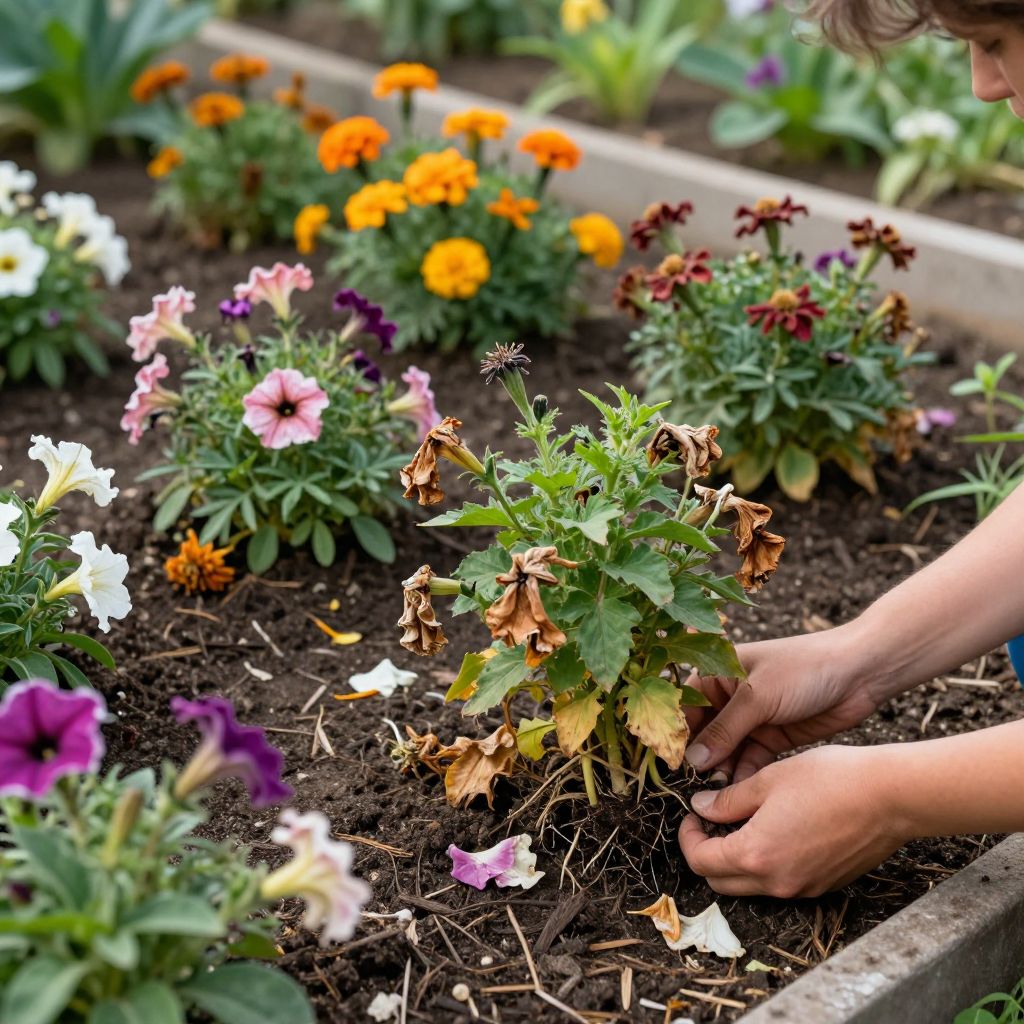
Do annuals come back? Usually, no. Most annuals complete their life cycle in one growing season, then die after flowering and setting seed. But some “annuals” may reseed themselves, survive a mild winter in warm climates, or behave like short-lived perennials when conditions are favorable.
If you want to know whether a specific plant will return next year, the answer depends on the species, your climate, and how the plant was grown. The good news is that you can often keep annual displays going longer with smart planting, deadheading, and by saving seed from the best performers.
Do annuals come back?
Most true annuals do not come back after winter because they grow, flower, set seed, and die in one season. Some may return only if they self-seed, overwinter in frost-free climates, or are actually tender perennials being grown as annuals in your area.
What makes a plant an annual?
An annual is a plant that completes its entire life cycle in one growing season. It germinates, grows, blooms, produces seed, and then declines. That is different from a perennial, which survives for multiple years, and a biennial, which usually flowers in its second year.
Common examples of true annuals
- Marigolds (Tagetes spp.)
- Zinnias (Zinnia elegans)
- Petunias (Petunia hybrids)
- Impatiens (Impatiens walleriana in many gardens)
- Cosmos (Cosmos bipinnatus)
- Sweet alyssum (Lobularia maritima)
These plants are bred for fast color and long bloom, not for surviving winter in cold climates. In frost-prone areas, they are usually replaced each year.
Why some annuals seem to come back
Gardeners often think an annual returned when it was actually one of three things: self-seeding, overwintering in a mild climate, or a plant that was not a true annual in the first place. Understanding which one happened helps you plan better for next season.
Self-seeding annuals
Some annuals drop seed that germinates the following year. If seedlings appear in the same bed, it can look like the original plant came back. This is common with cosmos, calendula, nigella, and some poppies.
Mild-climate overwintering
In frost-free or very mild regions, tender annuals may survive longer than expected. They may slow down in cool weather, then resume growth when temperatures rise again. Even then, they often become leggy or less vigorous than first-year plants.
Tender perennials sold as annuals
Some plants are perennial in warm regions but treated as annuals where winters are cold. Geraniums (Pelargonium spp.) are a classic example. They can be overwintered indoors or in a greenhouse, but they are not true annuals.
How to tell whether your plant will return
Start by identifying the plant accurately. The label, seed packet, or nursery tag usually tells you whether it is annual, perennial, or biennial. If the name is missing, look at the plant’s growth habit, bloom time, and whether it forms seed readily.
Quick checks
- Look for frost sensitivity. Tender foliage often means the plant will not survive freezing temperatures.
- Check the label. “Annual” usually means one season only.
- Notice reseeding. If new seedlings appear nearby, the plant may self-sow.
- Observe winter hardiness. If it survives outdoors where you live, it may actually be a perennial or a tender perennial.
How to keep annuals blooming longer
Even though annuals do not usually return next year, you can extend their display through the current season. Healthy plants often bloom longer, produce more side shoots, and resist stress better than neglected ones.
Give them the right light
Most flowering annuals need full sun, which usually means at least 6 hours of direct light daily. Shade-tolerant annuals, such as impatiens and some begonias, still need bright light but can scorch in harsh afternoon sun.
Water deeply, not constantly
Annuals do best when soil stays evenly moist but never soggy. Water at the base of the plant so foliage dries quickly, and adjust based on heat, wind, rainfall, and container size. Pots dry faster than garden beds.
Feed appropriately
Many annuals flower best in moderately fertile soil with good drainage. Too much nitrogen can produce lush leaves and fewer blooms. Compost mixed into the soil before planting often gives a better, steadier result than heavy feeding later.
Deadhead spent flowers
Removing faded blooms encourages many annuals to keep flowering instead of putting energy into seed production. Pinch or snip just above a set of healthy leaves or a side stem.
Trim back leggy growth
If plants become stretched or sparse, a light cutback can encourage branching. This works especially well with petunias, coleus, and some salvias grown as annuals. Avoid severe pruning during heat stress.
Can you overwinter annuals indoors?
Some tender annuals can be brought indoors before frost and kept alive until spring, but this is not practical for every plant. The best candidates are plants that tolerate containers, lower light, and indoor temperatures reasonably well.
Good candidates for overwintering
- Geraniums (Pelargonium spp.)
- Coleus (Plectranthus scutellarioides)
- Some begonias
- Fuchsia in suitable conditions
Indoor overwintering basics
- Bring plants in before the first hard frost.
- Inspect for pests and rinse foliage if needed.
- Use clean pots with drainage holes.
- Place in bright light, such as a sunny window or under grow lights.
- Water less often than outdoors, letting the top layer of soil dry slightly between waterings.
Indoor overwintering works best when the plant is compact, healthy, and free of disease. Weak or pest-ridden plants often struggle indoors and can spread problems to other houseplants.
How self-seeding annuals return on their own
If you want annuals to reappear naturally, choose self-seeding types and let some flowers mature. The seedlings may not grow exactly where the parent plant was, but they can fill gaps and create a more natural-looking planting each year.
Tips for encouraging reseeding
- Leave a few healthy flowers to form seed heads.
- Stop deadheading late in the season on plants you want to reseed.
- Keep soil lightly mulched, not deeply buried.
- Avoid heavy cleanup until you know where seedlings are emerging.
Be careful: some self-seeders can spread aggressively in ideal conditions. If a plant reseeds too freely, remove seed heads before they mature or thin seedlings early in spring.
Common problems that make annuals fail to return
When annuals disappear sooner than expected, the cause is often environmental stress rather than a mystery. Cold, heat, poor drainage, pests, and disease can all shorten the life of a plant that should have lasted longer.
Poor drainage
Waterlogged soil can rot roots and crowns. If your bed stays wet after rain, amend it with compost and consider raised beds or containers with drainage holes.
Heat stress
Some annuals stop blooming or collapse during extreme heat. Mulch can help conserve moisture, but the best fix is choosing heat-tolerant varieties or giving afternoon shade in hot climates.
Pests and disease
Aphids, spider mites, powdery mildew, and root rot are common annual plant problems. Inspect leaves regularly, remove badly affected growth, and avoid overhead watering when possible.
Early frost
A single hard frost can end the season for tender annuals. If you want to extend bloom in fall, use frost cloth or move containers to a sheltered spot when temperatures drop.
How to plan annuals for your climate
Your local climate matters more than a plant label alone. A “annual” in one region may survive as a perennial in another, especially where winters are mild and summers are long.
Adapt your approach by season
- Cold climates: Expect true annuals to die after frost and plan to replant each year.
- Mild climates: Some annuals may live longer, bloom through winter, or reseed naturally.
- Hot climates: Focus on heat-tolerant annuals and provide mulch, irrigation, and some afternoon protection if needed.
If you are unsure about a plant’s hardiness, treat it as seasonal until you have seen how it performs through your local winter.
Best practices for replanting each year
If your annuals do not come back, that is normal. The best way to keep your garden full of color is to plan for replacement and improve the bed each season.
Simple annual bed routine
- Remove dead plants and old roots at the end of the season.
- Top-dress the bed with compost.
- Check drainage and loosen compacted soil.
- Choose annuals suited to your light and climate.
- Space plants properly so air can move between them.
Healthy soil and good spacing often matter more than expensive fertilizer. When roots have room and drainage is reliable, annuals usually bloom better and last longer.
Conclusion: what to do next
So, do annuals come back? Most true annuals do not, but some self-seed, overwinter in mild climates, or can be saved indoors if they are tender perennials. Check the plant type, watch how it behaves in your garden, and decide whether to replant, reseed, or overwinter it.
If you want more practical seasonal advice, consider reading about how to deadhead flowers and container gardening basics for ways to keep annual displays healthy and blooming longer.