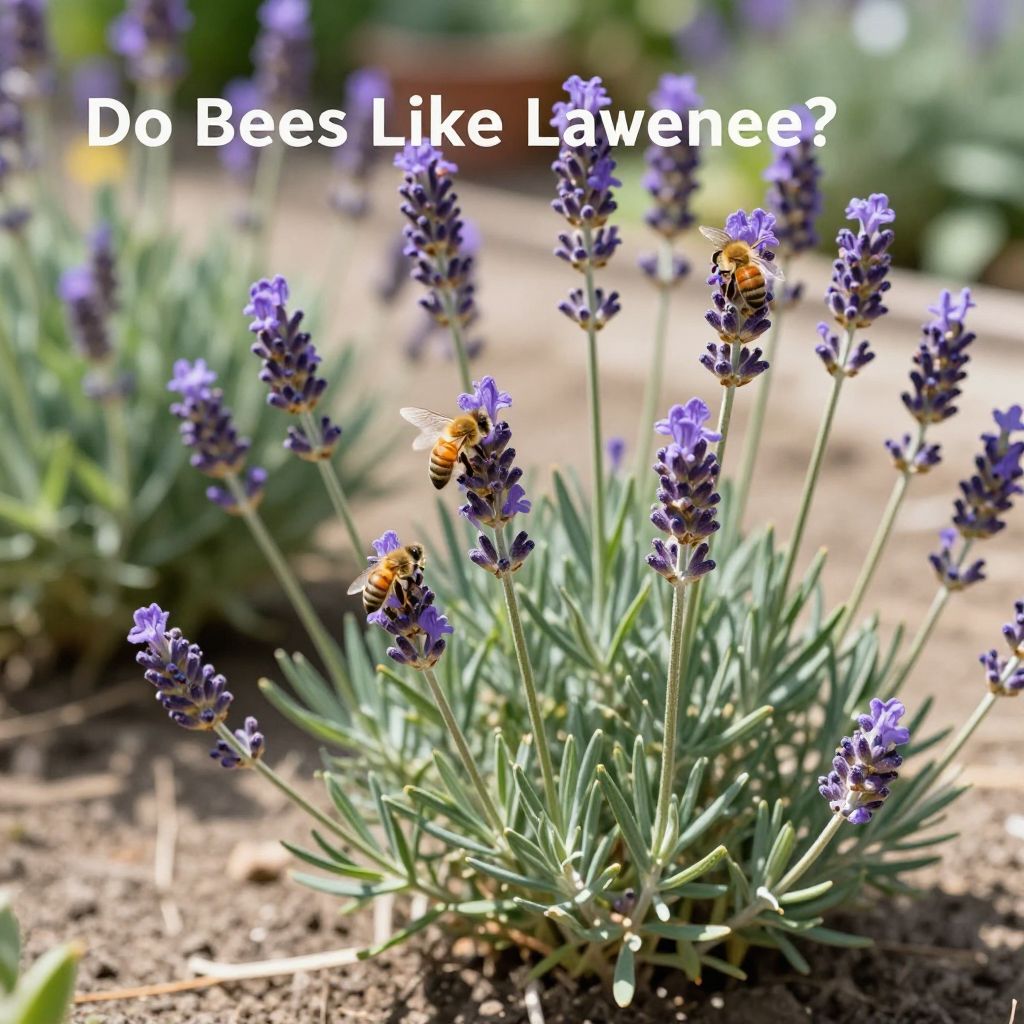
Do bees like lavender? Yes—very much. Lavender is one of the most bee-friendly plants you can grow because its fragrant, nectar-rich flowers are easy for bees to find and rewarding to feed on, especially in sunny, open plantings.
If you want to support pollinators while adding color and scent to your garden, lavender is a smart choice. The key is growing it in the right conditions: full sun, sharp drainage, and relatively lean soil.
Do bees like lavender?
Bees are strongly attracted to lavender flowers because they offer abundant nectar and pollen, especially when the plants are grown in full sun and allowed to bloom freely. English lavender (Lavandula angustifolia) and other lavender types can become excellent pollinator plants, provided the soil drains well and the plants are not overwatered or overfed.
Why lavender is so attractive to bees
Lavender flowers are rich in scent and bloom in clusters, which makes them easy for bees to locate and efficient to forage from. The plant’s long flowering period also gives bees a reliable food source over many weeks, depending on your climate and variety.
What bees are looking for
- Nectar for energy
- Pollen for protein
- Open flowers they can land on easily
- Plants that bloom during warm, sunny weather
Lavender checks all of those boxes. In a mixed pollinator border, it can be one of the most visited plants when it is in peak bloom.
Best lavender growing conditions for bee activity
Lavender will only perform well for bees if the plant itself is healthy and flowering well. Stressed plants produce fewer blooms, so the growing site matters as much as the variety you choose.
Sunlight
Give lavender full sun for the best flowering. Aim for at least 6 to 8 hours of direct light daily. In shadier spots, plants often become leggy and bloom less, which means fewer visits from bees.
Soil and drainage
Lavender prefers soil that drains quickly. Heavy clay or constantly damp soil can lead to root problems and poor flowering. If your soil holds water, grow lavender in a raised bed, slope, or large container with a fast-draining mix.
A good planting area should feel loose and crumbly, not sticky or soggy. If water sits after rain, improve drainage before planting.
Soil fertility
Lavender does best in moderately poor to average soil. Rich, heavily amended soil can push leafy growth at the expense of flowers. If you add compost, use it sparingly and mix it into the planting area lightly rather than making the soil overly rich.
How to plant lavender for more blooms and more bees
Planting lavender well from the start helps it establish faster and flower more reliably. The goal is to reduce stress, avoid wet roots, and give each plant enough air circulation.
- Choose a sunny site with excellent drainage.
- Dig a hole only as deep as the root ball and slightly wider.
- Set the plant at the same depth it was growing in the pot.
- Backfill with native soil if it drains well, or a lightly amended mix if needed.
- Water in once to settle the soil, then let the top layer dry before watering again.
- Space plants so air can move freely around them.
Spacing depends on the mature size of your lavender type, but leaving room between plants helps reduce disease and makes flowers more accessible to bees.
Container growing
If your garden soil is too wet, lavender can do well in a container. Use a pot with drainage holes and a gritty, free-draining potting mix. Containers dry out faster than garden beds, so check moisture regularly, especially during hot weather.
Watering and feeding lavender without reducing blooms
Lavender is drought-tolerant once established, and too much water is one of the most common reasons it fails. Overwatering can reduce flowering and make the plant less attractive to bees.
Watering basics
- Water newly planted lavender more often until roots establish.
- After establishment, water only when the soil has dried out several inches down.
- Avoid frequent shallow watering, which encourages weak roots.
- Do not let the crown sit in wet mulch or soggy soil.
In rainy climates, lavender may need little or no supplemental watering once established. In hot, dry climates, occasional deep watering is better than frequent light watering.
Fertilizer use
Lavender usually needs very little fertilizer. Too much nitrogen can produce soft growth and fewer flowers. If your soil is poor, a light top-dressing of compost in spring may be enough. Avoid overfeeding if your main goal is blooms and bee activity.
Pruning lavender for better flowering
Regular pruning helps lavender stay compact, woody stems stay healthier, and flowering remain strong. A well-pruned plant is often more productive and more appealing to bees than an overgrown one.
When to prune
Prune after flowering or lightly in early spring, depending on your climate and lavender type. The main goal is to remove spent flower stems and shape the plant without cutting too far into old wood, which may not regrow well.
How to prune safely
- Remove faded flower stems after bloom.
- Trim back soft growth to keep the plant rounded.
- Avoid cutting deeply into bare woody stems.
- Use clean, sharp pruners to make neat cuts.
Important: If you prune too hard into old wood, lavender may struggle to recover. Light, regular pruning is safer than severe cutting.
Common problems that reduce bee visits
When lavender is not getting many bees, the issue is often plant health or site conditions rather than a lack of pollinators in the area. Check the basics first.
Few flowers
If your plant has lots of leaves but few blooms, it may be getting too much shade, too much fertilizer, or too much water. Move it to a sunnier spot if possible and reduce feeding.
Root rot and yellowing
Yellow foliage, wilting despite moist soil, and a declining plant often point to poor drainage. Lavender hates wet feet. If the site stays damp, replant into a raised bed or container with a sharper-draining mix.
Leggy growth
Stretchy, open growth usually means the plant is reaching for more light. Lavender grown in shade tends to bloom less, which means fewer bee visits. A sunnier location is the best fix.
Pests and diseases
Lavender is generally low-maintenance, but crowded, damp plants can develop fungal issues. Good spacing, airflow, and careful watering help prevent trouble. Aphids and spittlebugs may appear occasionally, but healthy plants often tolerate minor pest pressure without major damage.
How to make your garden more bee-friendly with lavender
Lavender works best as part of a larger pollinator planting. Bees are more likely to visit when they can move from one flowering plant to another in the same area.
Good companion planting ideas
- Other sun-loving herbs such as thyme, oregano, and rosemary
- Flowering perennials with similar drainage needs
- Plants that bloom at different times to extend nectar availability
Try to group lavender in drifts rather than scattering single plants around the garden. A larger patch is easier for bees to spot and more efficient for them to forage from.
Keep flowers accessible
Avoid overcrowding lavender with taller, dense plants that block sunlight or airflow. Bees need clear access to the blooms, and the plant needs room to dry quickly after rain.
Can you grow lavender from cuttings?
Yes. Propagating lavender from cuttings is a practical way to make more plants for pollinator beds. Softwood or semi-ripe cuttings are commonly used, depending on the season and the type of lavender you grow.
- Take a healthy, non-flowering stem cutting.
- Remove the lower leaves.
- Place the cutting in a free-draining propagation mix.
- Keep it lightly moist, not wet.
- Provide bright light and good airflow while roots form.
Seed propagation is possible, but cuttings are usually more reliable if you want a plant that matches the parent closely and flowers sooner.
Harvesting lavender without hurting the bees
If you want both flowers for the garden and flowers for cutting or drying, harvest thoughtfully. Bees are most active during warm daylight hours, so avoid cutting blooms when they are heavily visited.
Best harvesting practices
- Cut stems when some florets have opened but before the flowers are fully spent.
- Harvest in the morning after dew dries, or later in the day when bee activity is lower.
- Leave plenty of blooms on the plant for pollinators.
- Use clean pruners to avoid damaging stems.
By leaving part of the plant intact, you keep the nectar source available longer and support more bee activity through the bloom season.
Final thoughts
So, do bees like lavender? Absolutely. If you give lavender full sun, sharp drainage, modest watering, and light pruning, it can become one of the best bee plants in your garden. Start with one healthy plant, and build from there if you want a stronger pollinator patch.
If you’d like to keep improving your pollinator planting, consider reading more about how to grow bee-friendly herbs and choosing flowering plants for full sun borders.
Leave a Reply