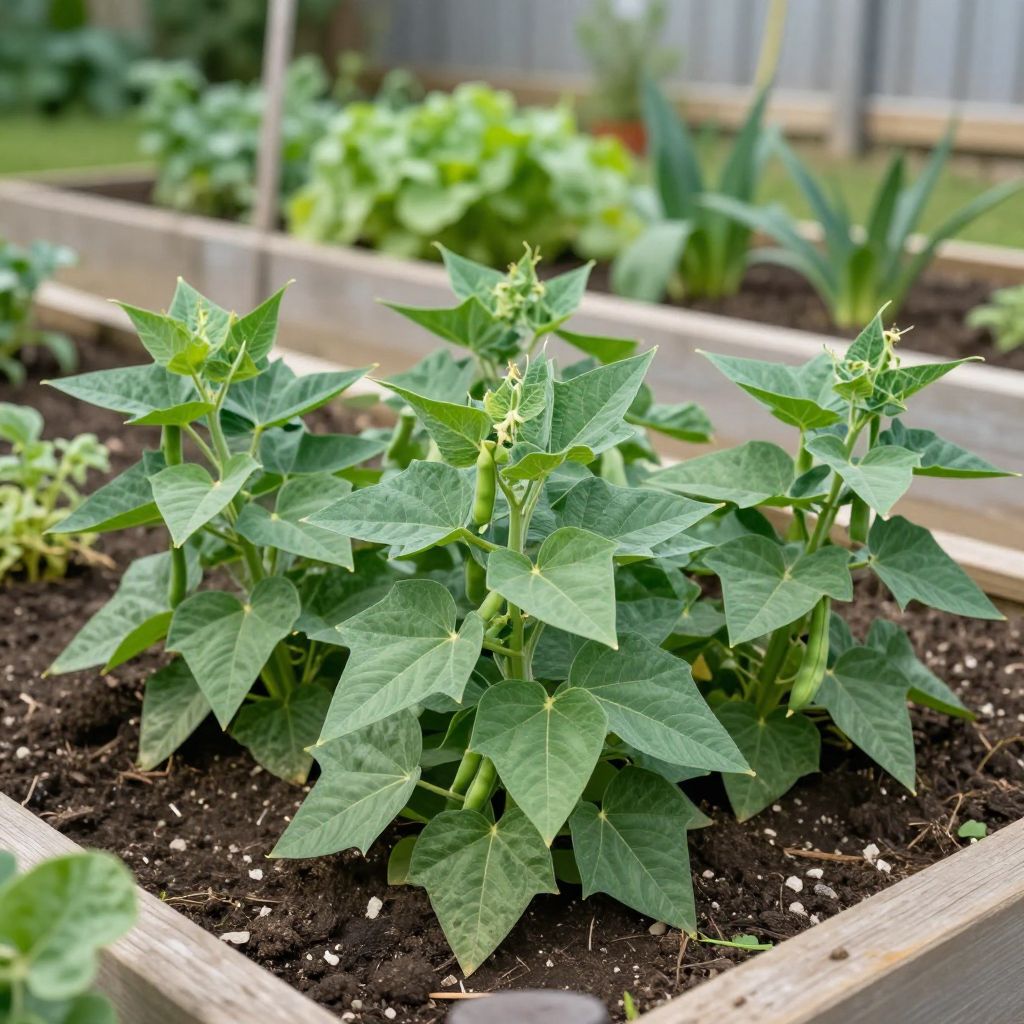
Do bush beans need a trellis? In most gardens, the answer is no. Bush beans grow as compact, self-supporting plants, so they usually do best without poles, cages, or netting.
That said, a little support can still help in windy sites, crowded beds, or heavy, toppling plants. The key is knowing when bush beans truly need help and when extra structure only makes harvesting and airflow worse.
Do Bush Beans Need A Trellis?
Bush beans do not usually need a trellis because they grow to a short, sturdy height and hold themselves upright. Unlike pole beans, which climb and need vertical support, bush beans are bred to mature in a compact mound and produce pods without training.
Why Bush Beans Usually Grow Without Support
Bush beans are naturally self-supporting. Most varieties grow about 1 to 2 feet tall, with a bushy habit that spreads rather than climbs.
Their stems are generally strong enough to hold leaves and pods on their own, especially in full sun and reasonably fertile soil. In good growing conditions, adding a trellis is unnecessary and can even get in the way of routine care.
Bush Beans vs. Pole Beans
- Bush beans grow compactly and finish producing over a shorter period.
- Pole beans vine upward and need poles, strings, or trellises to climb.
- Bush beans are often easier for small gardens, containers, and quick harvests.
- Pole beans usually produce over a longer season but require more support and training.
When Bush Beans Might Benefit From Support
Even though bush beans do not need a trellis in the usual sense, some situations call for light support. The goal is not to make them climb, but to prevent lodging, breakage, or soil contact.
Situations Where Support Can Help
- Windy gardens: Short stakes or a low support line can reduce flopping.
- Heavy pod set: Some plants lean when loaded with beans.
- Loose, rich soil: Plants may grow taller and softer than expected.
- Dense plantings: A little guidance can help keep rows from collapsing into each other.
- After heavy rain: Wet foliage and soft stems may need temporary help standing back up.
If you do use support, keep it low and simple. Bush beans are not climbers, so tall trellises are usually wasted space unless you are using them as a boundary or windbreak.
Best Growing Conditions for Healthy Bush Beans
Strong, healthy plants are less likely to flop or need support. Bush beans perform best when they get full sun, well-drained soil, and steady moisture without waterlogging.
Sunlight
Give bush beans at least 6 to 8 hours of direct sun each day. In partial shade, plants may stretch toward light and become weaker, which can make them more likely to lean.
Soil and Drainage
Beans prefer loose, fertile soil that drains well. Heavy clay or soggy beds can stunt roots and weaken stems, while overly rich soil can encourage leafy growth at the expense of sturdy plants.
Work in compost before planting if your soil is poor, but avoid overloading it with fresh manure or high-nitrogen amendments. Beans fix their own nitrogen, and too much can lead to lush foliage and fewer pods.
Watering
Keep the soil evenly moist, especially during flowering and pod formation. Irregular watering can stress plants, reduce yields, and contribute to weak growth.
Water at the base rather than overhead when possible. Dry leaves are less likely to develop fungal problems, and the soil stays where it belongs instead of splashing onto pods.
How to Grow Bush Beans Without a Trellis
Growing bush beans without support is straightforward. The most important thing is to give them enough room, warm soil, and good airflow.
- Sow seeds directly outdoors after the soil has warmed and frost risk has passed in your area.
- Plant seeds about 1 inch deep, following spacing guidance for your variety.
- Leave room between plants so air can move through the foliage and leaves dry quickly after rain.
- Mulch lightly to conserve moisture and reduce soil splash, but keep mulch a little away from stems.
- Water consistently so plants do not cycle between drought stress and excess moisture.
- Harvest regularly to encourage continued production and prevent pods from getting overmature.
Spacing Tips
Spacing varies by variety, but bush beans generally need enough room to keep airflow moving through the row or bed. Crowding can make plants taller, weaker, and more disease-prone.
If you are unsure, follow the seed packet directions for spacing. That is the best guide because plant size can vary among cultivars.
Should You Stake Bush Beans?
Staking bush beans is usually unnecessary. A single stake tied loosely to a few plants is sometimes useful in exposed gardens, but it is not standard practice and should be treated as temporary support rather than a true trellis system.
If plants are falling over repeatedly, check the cause before adding support. The issue may be too much shade, overcrowding, rich soil, weak stems from excess nitrogen, or shallow watering.
When a Stake Makes Sense
- To support a few top-heavy plants after storms
- To keep a small patch upright in a windy spot
- To separate plants from muddy paths or heavy foot traffic
Use soft ties if you stake beans, and tie loosely so stems can move a little. Tight ties can damage the plant as it grows.
Common Problems That Make Bush Beans Lean or Collapse
If your bush beans seem to need a trellis, the problem is often environmental rather than genetic. Fixing the growing conditions usually works better than adding more structure.
Too Much Nitrogen
Excess nitrogen encourages leafy growth and can create tall, soft stems. If your plants are lush but weak, avoid feeding with high-nitrogen fertilizer and let the plants settle into balanced growth.
Not Enough Sun
Plants grown in shade often stretch toward light and become spindly. Move future plantings to a sunnier bed if possible.
Overcrowding
When beans are packed too tightly, they compete for light and air. This can lead to leggy growth, poor airflow, and more disease.
Wet, Heavy Soil
Soggy soil weakens roots and can make plants tip or rot at the base. Improve drainage with compost, raised beds, or a better planting site if water tends to sit after rain.
Pests and Diseases That Affect Bush Beans
Support does not prevent pests or disease, but healthy spacing and clean growing conditions can reduce problems. Bush beans are generally easy to grow, though they can still run into common garden issues.
Common Pests
- Bean beetles
- Aphids
- Spider mites in hot, dry weather
- Slugs in damp gardens
Check the undersides of leaves regularly. Early action is easier than trying to rescue a heavily infested planting.
Common Diseases
- Powdery mildew
- Bacterial blights
- Root rot in poorly drained soil
To reduce disease risk, avoid wetting the foliage late in the day, remove badly damaged plants, and rotate beans to a different bed in future seasons if disease has been a recurring issue.
Harvesting Bush Beans for Best Plant Health
Frequent harvesting keeps bush beans productive and prevents pods from becoming oversized and tough. It also reduces the chance of plants bending under the weight of mature pods.
Pick pods when they are young, crisp, and the seeds inside are still small. Use both hands if needed: one to hold the plant gently and the other to snap the pod off cleanly.
Harvesting Tips
- Check plants every few days during peak production.
- Harvest before pods become stringy or bulge heavily with seeds.
- Handle stems carefully to avoid breaking branches.
- Keep picking to encourage more flowers and pods.
Growing Bush Beans in Containers
Bush beans can grow well in containers, and they still usually do not need a trellis. Choose a pot with good drainage and enough width for several plants, depending on the variety and spacing recommendations.
Container-grown beans may lean if the pot is in a windy spot or if the soil dries out too fast. In that case, a short support ring or a sheltered location can help, but tall climbing structures are rarely necessary.
Practical Mistakes to Avoid
- Using a tall trellis for bush beans when a simple, open bed would work better.
- Overcrowding plants, which leads to weak stems and poor airflow.
- Adding too much nitrogen, which encourages floppy leafy growth.
- Letting soil dry out too much and then soaking it heavily.
- Ignoring poor drainage, which can weaken roots and invite rot.
Conclusion: The Simple Answer
So, do bush beans need a trellis? Usually not. Grow them in full sun, give them enough space, keep the soil evenly moist, and harvest often for sturdy, productive plants.
If your bush beans are flopping, look first at spacing, sunlight, soil, and watering before adding support. For more help planning a productive bean patch, you may also want to read about growing green beans and why bean plants may not produce pods.