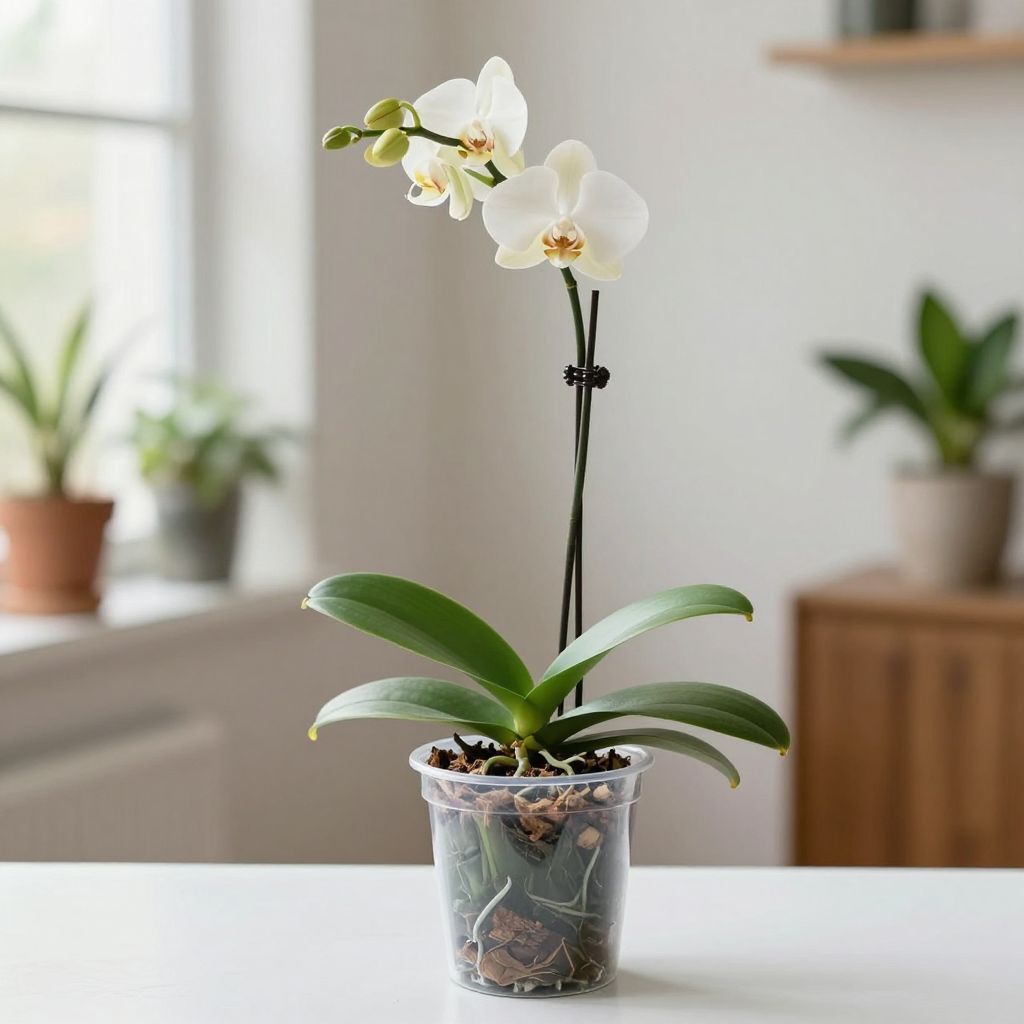
Do orchids rebloom, or do they flower once and stop? The good news is that many orchids can bloom again with the right light, watering, and temperature changes. The trick is understanding what type of orchid you have and what it needs after the flowers fade.
Most home gardeners grow Phalaenopsis (moth orchids), which are among the easiest orchids to rebloom indoors. With steady care and a little patience, you can often encourage a new flower spike rather than a plant that only grows leaves.
Do orchids rebloom?
Yes, orchids can rebloom, and many do so every year when their growing conditions are right. After flowering, the plant needs time to recover, build energy in its leaves and roots, and then receive the right light and temperature cues to trigger a new spike. Some orchids rebloom more readily than others.
Why orchids stop blooming after the first flush
It is normal for an orchid to rest after flowering. Blooming uses a lot of energy, and if the plant is stressed, it may focus on survival instead of making flowers.
Common reasons orchids do not rebloom
- Too little light for flower production
- Overwatering, which weakens roots and slows growth
- Poor drainage or old potting mix that stays soggy
- Low humidity in very dry indoor air
- No temperature difference between day and night for some types
- Root damage from rot, compacted media, or pests
- Too much fertilizer, especially high-nitrogen feeding that pushes leaves over flowers
How to get an orchid to rebloom
To rebloom an orchid, focus on healthy roots, bright indirect light, and stable care. For many common orchids, especially moth orchids, a slight drop in nighttime temperature in autumn can help trigger a new flower spike. Avoid drastic changes; consistency matters more than force.
1. Give the right light
Light is one of the biggest factors in orchid reblooming. Most indoor orchids want bright, indirect light rather than harsh direct sun.
- Good placement: near an east window, or a few feet back from a south or west window with a sheer curtain
- Too little light: dark green leaves and few flowers
- Too much light: yellowing leaves or sun scorch
If your orchid keeps growing leaves but never flowers, light is often the first thing to adjust.
2. Water correctly
Orchids usually fail to rebloom when their roots are damaged by too much water. Let the potting mix approach dryness before watering again, but do not let the plant stay bone-dry for long periods.
- Water thoroughly, then let excess drain away completely.
- Never leave the pot sitting in water.
- Use a pot with drainage holes.
- Check the roots and potting mix, not just the calendar.
In many homes, orchids in bark mix need watering more often than orchids in moss, but your room temperature, pot size, and humidity all affect timing.
3. Use an airy orchid mix
Orchids need excellent drainage and air around their roots. Most common houseplant orchids are not grown in regular potting soil, which holds too much moisture and can suffocate roots.
- Use orchid bark, sphagnum moss, or a mix designed for orchids
- Choose a pot with plenty of drainage
- Repot when the mix breaks down, becomes sour, or stays wet too long
Fresh mix helps roots breathe and supports stronger growth, which improves the chance of reblooming.
4. Feed lightly during active growth
Orchids do not need heavy feeding. A balanced orchid fertilizer used at a diluted rate during active growth can help the plant store energy for future blooms.
- Feed more when new leaves or roots are growing
- Feed less, or pause, when the plant is resting
- Flush the pot occasionally with plain water to reduce salt buildup
Too much fertilizer can harm roots and reduce flowering, so lighter is usually better.
5. Watch nighttime temperatures
Many moth orchids respond to a modest drop in nighttime temperature, especially in late summer or fall. This temperature shift can help signal the plant to form a flower spike.
- Keep days warm and nights a little cooler if possible
- Avoid cold drafts from windows or vents
- Do not expose tropical orchids to freezing temperatures
Exact temperature needs vary by orchid type, so if you are unsure, aim for comfortable indoor conditions with a gentle day-night difference.
What to do after the flowers fall
Once the blooms drop, do not assume the orchid is finished. The post-bloom period is when you set up the next round of flowers.
Should you cut the flower spike?
That depends on the orchid and the condition of the spike. For many Phalaenopsis orchids, a green spike may sometimes produce a side branch or a new bloom sequence. A brown, dry spike is usually done and can be cut off near the base.
- Green spike: may be left in place if the plant is healthy
- Brown spike: usually remove it
- Weak plant: let it recover instead of trying to force more flowers
Use clean, sharp pruners or scissors to avoid tearing the tissue.
How to support recovery after bloom
- Remove spent flowers and inspect the plant.
- Check roots for firmness and color.
- Trim dead roots if repotting is needed.
- Place the orchid in bright, indirect light.
- Water only when the mix is nearly dry.
- Resume light feeding during new growth.
Signs your orchid is ready to rebloom
Healthy orchids usually show clear signs before they flower again. Look for steady leaf growth, firm roots, and a new spike emerging from the base or between leaves, depending on the type.
Positive signs
- Leaves are firm and not wrinkled
- Roots are silvery when dry and green after watering
- New root tips are visible
- A spike or flower stem begins to form
Warning signs
- Soft, mushy roots
- Yellowing leaves from stress or poor light
- Wrinkled leaves from dehydration or root loss
- No growth for many months
If the plant looks weak, fix the roots and growing conditions first. Flowers come after health, not before.
Common reblooming mistakes
Many orchid problems come from trying to care for them like ordinary houseplants. A few simple corrections can make a big difference.
- Using regular potting soil instead of an airy orchid mix
- Watering on a fixed schedule without checking the plant first
- Keeping the plant in low light far from a window
- Leaving roots wet in decorative cachepots without drainage
- Cutting healthy green spikes too early without knowing the orchid type
- Overfertilizing and burning roots
Pests and diseases that can delay reblooming
Healthy roots and leaves are essential for flowers. Pests and disease can quietly drain energy from the plant and prevent reblooming.
Watch for these problems
- Mealybugs in leaf joints and along the spike
- Scale insects on leaves and stems
- Spider mites in dry indoor air
- Root rot from soggy media or poor drainage
- Leaf spotting from bacterial or fungal issues
Inspect your orchid regularly, especially after bloom. Early treatment is easier than rescuing a badly damaged plant.
Do all orchids rebloom the same way?
No. Different orchid types have different bloom habits, and that affects how you care for them after flowering.
Phalaenopsis
Moth orchids are the most common indoor orchids and are often the easiest to rebloom. They usually prefer bright indirect light, moderate watering, and a small nighttime temperature drop to encourage spikes.
Cattleya and similar types
These often need brighter light than moth orchids. If they do not get enough light, they may grow well but refuse to flower.
Dendrobium and others
Some dendrobiums need a distinct rest period, while others grow and bloom more continuously. If you know the exact orchid type, match care to that plant rather than using a one-size-fits-all approach.
Outdoor orchids and reblooming
If you grow hardy orchids outdoors, reblooming depends on climate, seasonal shifts, and the plant’s natural cycle. Outdoor orchids usually need the right amount of shade, moisture, and winter protection for your area.
Because conditions vary so much, follow local guidance for your orchid species and climate zone. In general, avoid waterlogged soil, protect roots from extreme cold if the plant is not fully hardy, and keep the site airy but sheltered.
Simple rebloom checklist
If your orchid has finished flowering, use this quick checklist to improve your chances of seeing blooms again:
- Provide bright, indirect light
- Water only when the mix is nearly dry
- Use a pot with drainage and an orchid mix
- Keep humidity moderate if your home is very dry
- Feed lightly during active growth
- Look for a gentle nighttime temperature drop if your orchid needs it
- Remove dead spikes and damaged roots as needed
Conclusion
So, do orchids rebloom? Yes, many do, especially when you give them the right light, drainage, and post-bloom care. Focus on healthy roots first, then fine-tune watering and temperature to encourage the next flower spike. If your orchid is resting now, start by checking its roots and light exposure today.
For more help, you may also want to read when orchids bloom and why an orchid is dying.