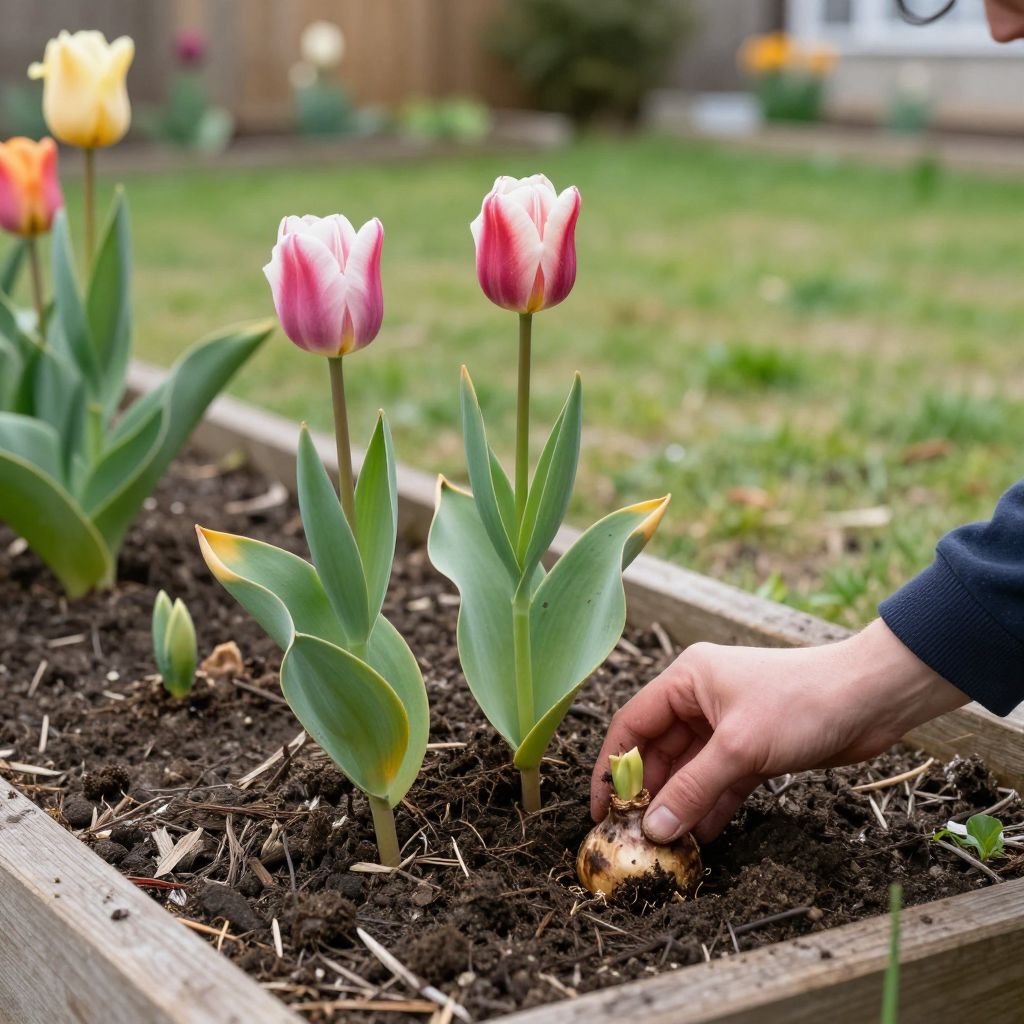
Do tulips come back every year? Sometimes they do, but not always as strongly as gardeners hope. Tulips are perennial bulbs, yet whether they return depends on the variety, your climate, soil drainage, and how well the bulbs are cared for after flowering.
If you want tulips to reappear season after season, the key is to treat them like long-term bulbs, not one-time spring color. With the right planting depth, sunlight, drainage, and post-bloom care, you can improve your chances of getting reliable blooms again.
Do tulips come back every year?
Tulips can come back every year because they are perennial bulbs, but many garden tulips bloom best for one or two seasons and then decline. In well-drained soil with enough sun and proper after-bloom care, some types naturalize and return, while others are usually replanted each fall for the best display.
Why tulips sometimes return and sometimes fade out
In nature, tulips are adapted to cold winters, spring growth, and a dry summer dormancy. In home gardens, they often struggle because conditions are not quite as ideal as their native habitat or breeding history suggests.
Common reasons tulips stop blooming well
- Poor drainage that causes bulbs to rot or weaken.
- Too much shade from trees, shrubs, or buildings.
- Leaves removed too early before the bulb can recharge.
- Overcrowding as bulbs multiply underground.
- Hot, wet summers that reduce bulb vigor.
- Weak bulb stock from the start, especially with some large hybrid tulips.
Many modern tulips are bred for big, dramatic flowers rather than long-term persistence. Species tulips and some Darwin hybrids often return better than highly hybridized types, but even those need good growing conditions.
How to help tulips come back year after year
To encourage repeat blooming, focus on the bulb’s energy cycle. Tulips need to store enough food after flowering to produce next year’s flower bud, and that depends on healthy leaves, good light, and dry enough soil during dormancy.
1. Plant bulbs in the right place
Choose a site with full sun to light shade and soil that drains quickly. Tulips dislike soggy ground, especially in winter and early spring.
- Plant in raised beds or sloped areas if your soil stays wet.
- Avoid low spots where water collects.
- Do not plant under dense trees that block spring sunlight.
2. Prepare the soil well
Tulips do best in loose, fertile soil that drains freely. If your soil is heavy clay, work in compost to improve structure, but avoid making the planting hole into a wet “bathtub” that traps water.
A good rule is to aim for soil that feels crumbly, not sticky. If drainage is poor, consider growing tulips in containers or raised beds instead of fighting the site.
3. Plant at the proper depth
Plant tulip bulbs in fall, before the ground freezes, so they can root before winter. A common guideline is to set bulbs about 6 to 8 inches deep, measured from the base of the bulb, with the pointed end up.
Spacing them a few inches apart helps airflow and gives bulbs room to mature. Planting too shallow can expose bulbs to temperature swings and heaving, while planting too deep can delay emergence.
4. Water correctly
Water newly planted bulbs once after planting if the soil is dry, then let natural rainfall do the rest unless conditions are unusually dry. During spring growth, tulips prefer evenly moist but not wet soil.
After the foliage yellows and dies back, reduce watering. Dry summer dormancy is important for bulb health, especially in the ground.
5. Feed lightly, if needed
Tulips generally do not need heavy feeding, but a modest application of bulb fertilizer or a balanced organic amendment at planting can help in poor soil. Avoid high-nitrogen feeding, which can push leafy growth at the expense of flowers.
If your soil is already rich, extra fertilizer may not improve repeat blooming much. Healthy drainage and sunlight matter more than overfeeding.
What to do after tulips bloom
Post-bloom care is one of the biggest factors in whether tulips return. The bulb needs its leaves to stay green long enough to rebuild energy for next year’s flower.
Deadhead spent flowers, but keep the leaves
Remove the faded flower head after blooming so the plant does not waste energy making seed. Leave the foliage in place until it turns yellow or brown naturally.
- Snip off the flower head only.
- Keep leaves intact and upright if possible.
- Do not braid or tie the leaves tightly; that can reduce photosynthesis.
Once the foliage yellows, it can be removed. By then, the bulb has usually stored as much energy as it can for the next season.
Let the bulb go dormant naturally
After bloom, tulips enter a resting period. Do not keep watering heavily or digging them up too soon unless you are in a climate where summer soil stays wet and bulbs routinely rot.
In wetter regions, many gardeners lift bulbs after the leaves die back, dry them, and replant in fall. In drier climates with excellent drainage, leaving them in place often works better.
Which tulips are most likely to return?
Some tulips are simply better at perennializing than others. If you want repeat bloom, choose types known for stronger return performance rather than only the biggest, showiest flowers.
Types that often perform better over time
- Species tulips, which are smaller but often more reliable.
- Darwin hybrids, which can return well in suitable conditions.
- Fosteriana tulips, valued for vigor and strong spring performance.
- Triumph tulips, which may persist reasonably well in good sites.
Highly double, fringed, or novelty tulips can be beautiful, but some are less dependable as long-term perennials. If repeat bloom matters most, prioritize vigor and adaptability over unusual flower form.
Why tulips fail in certain gardens
If your tulips bloom the first year and then disappear or produce only leaves, the problem is usually environmental rather than your gardening skills. Tulips are sensitive to conditions that many other spring bulbs tolerate more easily.
Common troubleshooting guide
- Only leaves, no flowers: The bulb may not have stored enough energy, may be too crowded, or may be in too much shade.
- Bulbs rot underground: Soil may be too wet or compacted.
- Flowers get smaller each year: The bulbs are likely weakening or competing for space.
- Plants emerge weakly: Bulbs may have been planted too shallowly or damaged by pests.
Pests and diseases to watch for
Tulips are generally low-maintenance, but a few problems can reduce their lifespan in the garden.
- Rodents such as squirrels, voles, and mice may dig up bulbs.
- Bulb rot can occur in wet soil.
- Botrytis and other fungal issues may affect foliage in damp, crowded plantings.
To reduce these problems, plant in well-drained soil, avoid overcrowding, and remove any diseased plant debris. In rodent-prone areas, consider bulb cages or planting among less palatable plants.
Should you lift and store tulip bulbs?
Sometimes yes, especially if your garden has hot, wet summers or poorly drained soil. Lifting bulbs can help preserve them, but it is not necessary in every garden.
When lifting makes sense
- Your soil stays wet in summer.
- Tulips decline quickly after the first year.
- You want to replant in a different location.
- You are growing tulips in a container that needs seasonal refreshment.
If you lift bulbs, wait until the foliage has yellowed. Dry them in a cool, airy place, then store them in a breathable container until fall planting. Avoid plastic bags that trap moisture and encourage rot.
Growing tulips in containers
Container-grown tulips can be a good option if your garden soil is heavy or wet. Pots warm up and dry out faster than ground beds, which can help bulbs stay healthy if you manage watering carefully.
Container care basics
- Use a pot with drainage holes.
- Choose a free-draining potting mix.
- Plant bulbs fairly close together for a full display, but do not crowd them so tightly that airflow disappears.
- Water when the top of the mix begins to dry, not on a fixed schedule.
After bloom, keep the foliage growing until it yellows. You can then either discard the bulbs, replant them in the garden, or store them for fall, depending on their condition and your climate.
Best practices for long-term tulip success
If your goal is repeat bloom, think of tulips as plants that reward consistency. A few simple habits make the biggest difference.
- Choose a sunny, well-drained site.
- Plant healthy bulbs in fall at the proper depth.
- Water only enough to establish and support spring growth.
- Deadhead flowers, but keep leaves until they fade naturally.
- Avoid soggy summer soil.
- Divide, lift, or replant when clumps become crowded or decline.
The most important rule: let the leaves do their job after flowering. That single step often determines whether tulips return with a strong bloom or fade out after one season.
Conclusion: can you count on tulips coming back?
Yes, tulips can come back every year, but they are not always dependable long-term in every garden. If you want the best odds, plant them in full sun, give them sharp drainage, and let the foliage mature naturally after bloom.
Start by evaluating your planting site this season, then choose a tulip type better suited to perennial performance if you want a repeat show next spring. For more bulb-growing guidance, you may also want to read about bulb planting and care and growing spring-flowering bulbs.