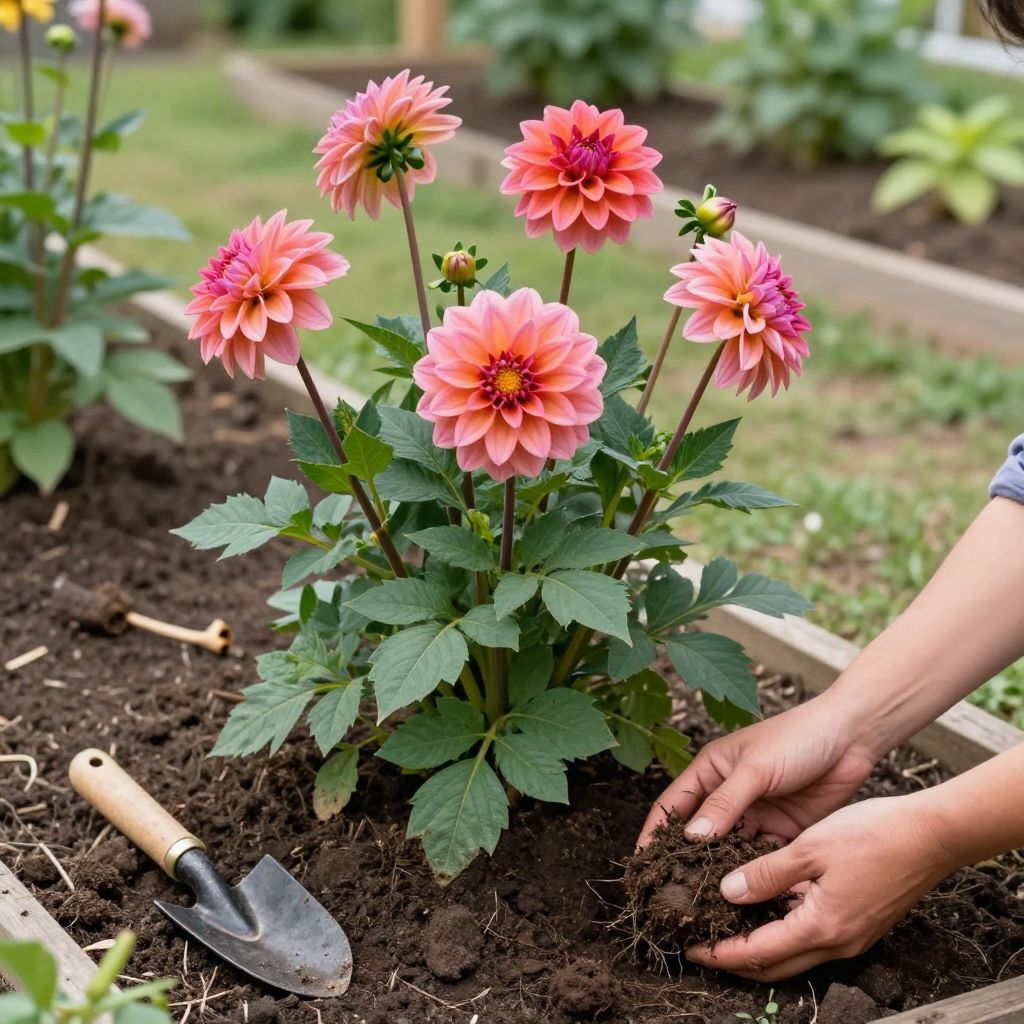
Do dahlias come back every year? The short answer is: sometimes. Dahlias are tender perennials, which means they can return from the same tubers in mild climates, but they are often grown as annuals in colder regions unless the tubers are lifted and stored for winter.
Whether yours return depends on frost, soil drainage, and how well you protect the tubers after the growing season. With the right care, you can often enjoy the same plants again next year.
Do dahlias come back every year?
Dahlias can come back every year if their tubers survive winter. In warm, frost-free climates they may stay in the ground, but in areas with freezing temperatures the tubers usually need to be dug up, dried, and stored indoors. If the tubers rot, dry out, or freeze, the plant will not return.
Why dahlias return in some gardens and not others
Dahlias grow from underground tubers, not true bulbs. Those tubers store energy for the next season, but they are vulnerable to cold, excess moisture, and rot. That is why the same plant may thrive for years in one garden and disappear after one winter in another.
Climate matters most
- Mild winters: Tubers may survive in the ground if the soil does not freeze hard.
- Cold winters: Tubers usually need to be lifted and stored before the first hard frost.
- Wet winters: Even without severe cold, soggy soil can rot tubers.
Soil conditions matter too
Dahlias dislike heavy, waterlogged soil in winter. Well-drained soil helps tubers survive, while compacted or clay-heavy beds increase rot risk. If your garden stays wet for long periods, lifting the tubers is often the safest option.
How to help dahlias come back next year
If you want dahlias to return, focus on strong tuber development during the growing season and careful winter protection afterward. Healthy plants with mature tubers are much more likely to survive storage and regrow well in spring.
1. Give them full sun
Dahlias bloom best in full sun, ideally with at least 6 hours of direct light. More sun usually means stronger stems and better tuber formation, as long as the plants are not stressed by extreme heat or drought.
2. Plant in rich, well-drained soil
Mix compost into the planting area to improve soil structure and moisture balance. The goal is soil that holds enough moisture for growth but drains freely enough that the tubers do not sit in water.
3. Water consistently during the season
Water newly planted dahlias to help them establish, then keep the soil evenly moist during active growth. Avoid soaking the bed repeatedly, especially late in the season when the tubers are preparing for dormancy.
4. Deadhead spent blooms
Removing faded flowers encourages more blooms and keeps the plant putting energy into growth rather than seed production. More healthy foliage and flowers generally means stronger tubers by autumn.
5. Cut back after frost
After the first frost blackens the foliage, cut stems down to a few inches above the soil if you plan to lift the tubers. Wait until the plant has fully finished growing before digging, because the tubers need time to store energy.
How to overwinter dahlia tubers
In cold climates, overwintering is the key step if you want dahlias to come back. The basic process is simple, but timing and storage conditions matter a lot.
Step-by-step lifting and storage
- Wait until after the first frost has damaged the top growth.
- Cut stems back to 4 to 6 inches.
- Carefully loosen the soil with a fork or spade, keeping the tuber clump intact.
- Lift the clump gently and shake off excess soil.
- Let the tubers dry in a sheltered, airy place for a few days.
- Store them in a container with slightly dry material such as peat-free compost, wood shavings, or vermiculite if appropriate for your setup.
- Keep them in a cool, dark, frost-free location with moderate humidity.
Storage mistakes to avoid
- Storing tubers too wet: This encourages rot.
- Letting them dry out completely: Tubers can shrivel and fail to sprout.
- Keeping them warm: Warm storage can trigger premature sprouting.
- Damaging the crown: The crown is where new shoots emerge, so handle clumps carefully.
Can you leave dahlias in the ground?
In some gardens, yes. If your winters are mild and your soil drains well, dahlias may survive outdoors with a thick mulch layer. But if your area gets hard frost or winter rain, leaving them in the ground is risky.
When leaving them in place may work
- Your ground rarely freezes deeply.
- Your soil drains quickly after rain.
- You can mulch after the foliage dies back.
- You have a sheltered bed, such as against a wall or in a raised bed with good drainage.
When lifting is the safer choice
- Your winters are cold or unpredictable.
- Your soil stays wet for long periods.
- You have expensive or hard-to-replace varieties.
- You want the best chance of strong regrowth next season.
What if your dahlias do not come back?
If a dahlia fails to return, the most common causes are frost damage, rot, desiccation, or tubers that were too small to survive. Sometimes the plant did survive, but the crown was damaged or the tubers were stored in poor conditions.
Common problems and fixes
- Rotten tubers: Improve drainage and store them drier next time.
- Wrinkled, shriveled tubers: Storage was too dry; keep conditions slightly more humid.
- No shoots in spring: The crown may have been damaged or the tubers may have frozen.
- Weak regrowth: The plant may not have had enough sun, water, or time to build energy.
How to divide and propagate dahlias
Once clumps are established, you can divide them to make more plants. Division is also useful for keeping tuber clumps healthy and manageable. Each division needs at least one viable eye or growing point and a firm tuber attached.
Best time to divide
Many gardeners divide tubers in late winter or early spring, when eyes are easier to see and any damaged sections can be removed. In some climates, division is easier after storage and before replanting.
Propagation tips
- Use a clean, sharp knife or pruners.
- Make sure each section has a crown piece and at least one eye.
- Discard soft, moldy, or badly shriveled tubers.
- Label varieties if you are growing several types.
Growing dahlias for stronger return next season
The better the plant grows during summer, the better chance the tubers have of surviving and returning. Good care during the season is not just about flowers; it is also about building a healthy storage organ for next year.
Practical care checklist
- Plant in full sun after frost danger has passed in your area.
- Use loose, fertile, well-drained soil.
- Water deeply during dry spells, especially while plants are actively growing.
- Stake tall varieties so stems do not snap in wind.
- Deadhead regularly to keep blooms coming.
- Watch for slugs, aphids, earwigs, and powdery mildew.
Common pests and diseases
Slugs and snails may chew young shoots, while aphids can cluster on soft growth. Powdery mildew can appear in crowded, dry, or poorly ventilated plantings. Good spacing, clean tools, and prompt removal of damaged foliage help reduce problems.
Should you treat dahlias like annuals or perennials?
That depends on your climate and how much effort you want to put into winter care. In warm regions, dahlias can behave like true perennials. In colder places, many gardeners treat them like annuals unless they lift and store the tubers each year.
If you want the easiest approach, grow them as seasonal flowers and replant each year. If you want to keep a favorite variety, learn how to overwinter the tubers properly and check them during storage.
Conclusion: give your dahlias the best chance to return
So, do dahlias come back every year? Yes, they can, but only if the tubers survive winter. The key is simple: grow them well, let them mature, and protect the tubers from frost and rot. If you garden in a cold or wet climate, lifting and storing them is usually the safest plan.
For more help with overwintering and plant lifespan, you may also find these guides useful: do dahlias come back and are dahlias perennials or annuals.