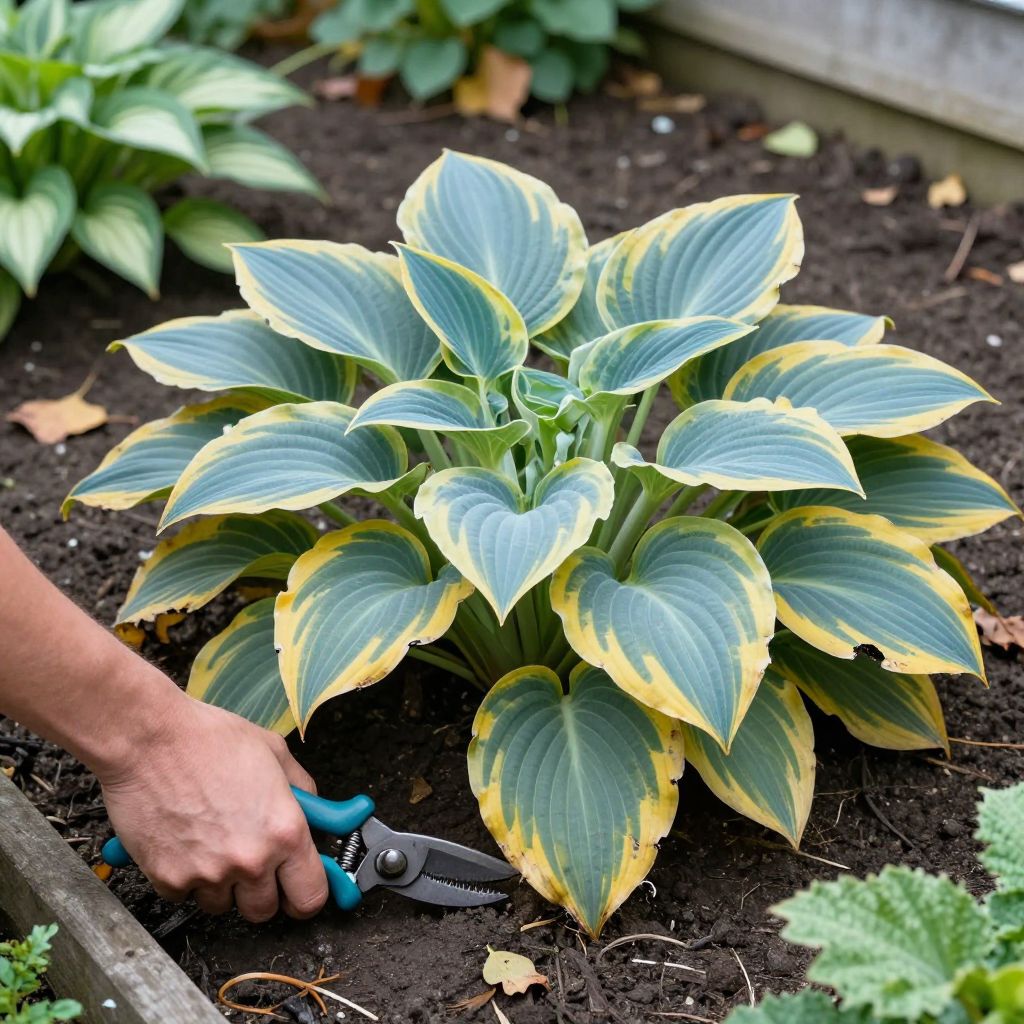
Wondering when to cut back hostas without harming next year’s growth? The short answer is that most hostas are best cut back after the foliage has yellowed, collapsed, or been damaged by frost in fall, or cleaned up in early spring before new shoots emerge. The right timing depends on your climate, garden style, and whether you want a tidier winter bed.
Hostas are tough, reliable perennials, but they look and perform best when you time cleanup well. A little patience in autumn can also help protect the crown, reduce pest hiding spots, and make spring cleanup easier.
When to cut back hostas?
Cut back hostas after the leaves have naturally died back in fall, or in early spring before the new “pips” break through the soil. In colder climates, wait until frost has browned the foliage; in milder areas, you can trim them when the plant looks spent. Avoid cutting healthy green leaves too early unless they are diseased or badly damaged.
Why timing matters for hosta cleanup
Hosta leaves are the plant’s energy factory during the growing season. As long as the foliage is green and healthy, it is feeding the crown and helping store energy for next year.
Cutting back too soon can reduce vigor, especially on young plants or hostas that were stressed by heat, drought, pests, or transplanting. Waiting until the leaves naturally decline lets the plant finish its seasonal cycle.
What happens if you leave hostas standing?
- The leaves will eventually collapse and become mushy after frost.
- Slugs and other pests may shelter in the debris.
- Wet, decaying foliage can make the bed look untidy.
- In some gardens, winter cleanup is easier if you remove foliage in fall.
What happens if you cut them too early?
- The plant loses photosynthetic leaf area before it has fully stored energy.
- New growth may be weaker the following spring.
- Young divisions can be more sensitive to stress.
Best seasonal timing for cutting back hostas
Fall cleanup
In many gardens, the most common time to cut back hostas is after the first hard frost or once the leaves turn yellow and flop over. At that point, the plant is shutting down for the season, and removing the foliage is mainly a cleanup task.
If your garden has heavy snowfall, soggy winters, or lots of slugs, fall cleanup is often the tidiest choice. Just avoid cutting into the crown; leave the growing point at soil level intact.
Early spring cleanup
Many gardeners prefer to leave hosta foliage in place through winter and cut it back in early spring. This can provide a little winter protection and create a habitat for beneficial insects, while also reducing autumn chores.
In spring, remove the old leaves before the new shoots are several inches tall. Once the “pips” are emerging, be careful not to nick them with pruners or a spade.
Summer trimming
Hostas are not usually cut back in summer unless there is a problem. Remove damaged, torn, or diseased leaves at any time, especially if they are badly sunburned, storm-damaged, or showing signs of infection.
If a hosta is declining in midsummer, the issue is often watering, too much sun, root stress, or pests rather than a need for a full cutback.
How to cut back hostas the right way
Cutting back hostas is simple, but a careful approach helps avoid crown damage and keeps the bed neat.
- Wait until the foliage is naturally declining, unless you are removing diseased leaves.
- Use clean, sharp pruners, garden scissors, or a sickle-style tool.
- Gather the leaves and cut them down to just above soil level.
- Leave the crown and any emerging buds untouched.
- Remove all debris from the bed, especially if slugs or disease have been a problem.
Tip: If the leaves are large and floppy, it is often easier to tie them loosely with twine before cutting. That keeps the debris contained and speeds cleanup.
Tools that work well
- Hand pruners for smaller clumps
- Garden scissors for soft foliage
- Bypass loppers for thick stems on larger clumps
- Gloves if you are working around mulch, slugs, or sharp edging
Should you cut back hostas every year?
Yes, most hostas benefit from annual cleanup, but the exact timing can vary. In a low-maintenance shade garden, you may leave the foliage until spring. In a more formal border, fall cleanup may look better and reduce overwintering debris.
The key is to match the timing to your garden conditions and the plant’s condition. Healthy, mature hostas can handle either approach well, while newly planted divisions usually do best with less disturbance.
Growing conditions that affect cutback timing
Sunlight
Hostas grow best in partial shade to shade, though some varieties tolerate more morning sun. If a hosta is getting too much sun, the leaves may scorch, yellow early, or collapse sooner than expected. In that case, the plant may look ready for cutback earlier in the season.
Soil and drainage
Hostas prefer moist, well-drained soil rich in organic matter. Heavy, waterlogged soil can cause crowns to rot, especially if dead foliage is left sitting over a wet crown for too long. Adding compost and improving drainage helps the plant stay healthier through the season.
Watering and stress
In dry spells, hostas may go limp or scorch at the edges. That does not always mean it is time to cut them back. If the crown is still healthy, deep watering and mulch may help the plant recover.
If the plant is truly finished for the year, the leaves will usually yellow or brown naturally rather than just droop from temporary heat stress.
Common problems to watch for before cutting back
Slug damage
Slugs are one of the most common hosta pests. They chew ragged holes in the leaves and may hide in the debris at the base of the plant. If slugs are a recurring issue, removing dead foliage promptly can help reduce hiding places.
Leaf spot and fungal issues
If you see spreading spots, mushy tissue, or collapsing leaves, cut away the affected foliage sooner rather than later. Dispose of diseased leaves rather than composting them if you are unsure whether your compost pile gets hot enough to break down pathogens.
Frost damage
After a hard frost, hosta leaves often turn translucent, then brown or black. This is normal seasonal decline. Once that happens, you can cut them back cleanly.
Animal damage
Deer, rabbits, and other animals may tear hosta leaves during the season. If the foliage is shredded but still partly green, you can remove the worst leaves and let the plant keep photosynthesizing until it naturally declines.
Should you mulch after cutting back hostas?
A light layer of mulch can help protect the crown and improve soil moisture, especially in colder climates or in beds that dry out quickly. Keep mulch a little away from the crown so moisture does not collect directly against the plant base.
Compost, shredded leaves, or fine bark mulch all work well when used moderately. Avoid piling mulch deeply over the crown, which can encourage rot and create a hiding place for pests.
Can you divide hostas at the same time?
You can divide hostas when they are dormant or just as new growth is starting in spring, and many gardeners combine division with cleanup. If the clump has become crowded, splitting it during the right season can improve airflow and plant health.
For more on that process, see when to divide hostas.
Quick checklist for deciding when to cut back hostas
- Cut back in fall after frost has browned the leaves.
- Or wait until early spring before new shoots appear.
- Remove diseased, badly damaged, or pest-infested leaves sooner.
- Use clean tools and cut to just above soil level.
- Keep mulch off the crown and clear away debris.
Common mistakes to avoid
- Cutting healthy green foliage too early in late summer or early fall.
- Damaging the crown while trimming close to the soil.
- Leaving diseased leaves in place through winter.
- Mulching too deeply over the crown.
- Assuming all yellowing means the plant is ready for cutback when it may just need water or shade.
Conclusion
When to cut back hostas comes down to the plant’s natural cycle and your local conditions. In most gardens, the safest rule is to wait until frost has finished the foliage in fall, or clean up in early spring before new growth begins. If the leaves are diseased or badly damaged, remove them sooner and keep the bed tidy.
If you are planning a fuller shade border, you may also find it helpful to read about what to plant with hostas for companion planting ideas that suit the same growing conditions.