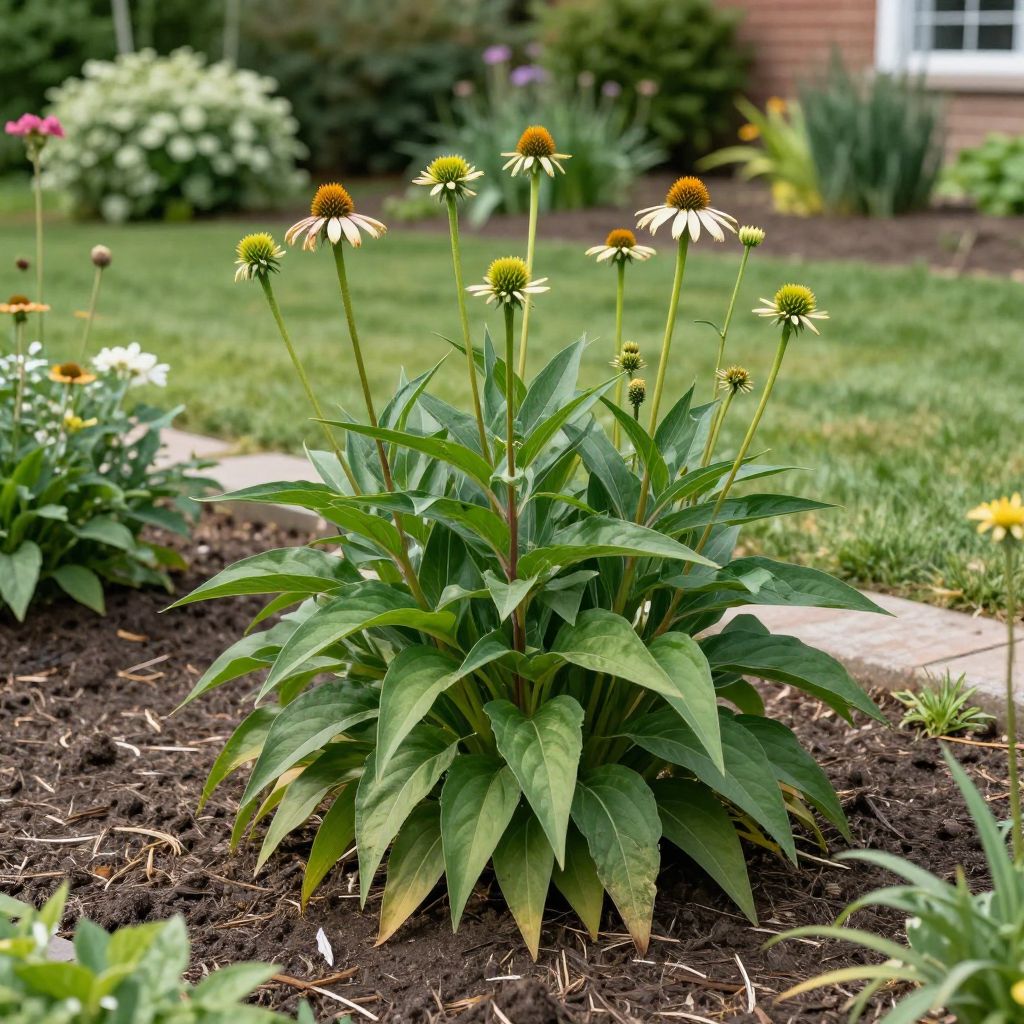
What does perennial mean in gardening? If you’ve seen the word on a plant tag or in a catalog, it simply means a plant that lives for more than two growing seasons. Perennials usually die back or go dormant at part of the year, then grow again from the same roots, crown, bulbs, rhizomes, or woody stems.
That makes them different from annuals, which complete their life cycle in one season, and biennials, which usually take two years to flower and set seed. Understanding this difference helps you choose plants, plan your garden layout, and care for plants through the seasons.
What does perennial mean in gardening?
A perennial is a plant that returns year after year from the same root system. In many climates, the top growth may die back in winter or during a dry season, but the plant survives underground or in woody stems and regrows when conditions improve.
How to identify a perennial plant
Perennials are identified more by their life cycle than by one specific look. Some are herbaceous and die back to the ground, while others are evergreen or semi-evergreen, keeping leaves year-round in mild climates.
Common signs a plant is perennial
- It returns for multiple years without replanting.
- It may go dormant in winter or heat.
- It regrows from the crown, roots, rhizomes, tubers, bulbs, or woody stems.
- It often flowers in a predictable season once established.
- It may spread slowly and become larger each year.
Examples of perennials
- Herbaceous perennials: coneflower (Echinacea), daylily (Hemerocallis), hosta (Hosta), peony (Paeonia)
- Woody perennials: lavender (Lavandula), rosemary (Salvia rosmarinus), shrubs, and many small trees
- Bulb perennials: tulip (Tulipa), daffodil (Narcissus), allium (Allium)
- Groundcover perennials: creeping thyme (Thymus), sedum (Hylotelephium)
Perennial vs annual vs biennial
Knowing the difference helps you avoid buying the wrong plant for your goals. The life cycle determines how long the plant lasts, when it flowers, and whether you need to replant it each year.
- Annual: grows, flowers, sets seed, and dies in one season
- Biennial: grows leaves the first year, flowers and sets seed the second year, then dies
- Perennial: lives for three years or more, often flowering repeatedly
Some plants behave differently depending on climate. A plant that is perennial in a warm region may be grown as an annual in a cold one because frost kills it.
How perennials grow through the seasons
Most perennials are built for survival. Their leaves and stems may disappear temporarily, but the plant stores energy in roots, crowns, or other underground structures and uses that reserve to regrow.
What dormancy means
Dormancy is a resting period, not death. If a perennial disappears in winter, check the plant tag or growing guide before assuming it failed. Many garden favorites need cold, heat, or drought dormancy to perform well.
Why some perennials seem short-lived
Even though perennials can live for years, some are naturally short-lived and decline after a few seasons. Others fail because of poor drainage, too much shade, overcrowding, or repeated stress from drought and pests.
Choosing the right perennial for your garden
The best perennial is one that matches your site. Sun, soil, drainage, and climate matter more than the word “perennial” itself.
Check these growing conditions first
- Sunlight: full sun, partial shade, or shade
- Soil drainage: well-drained, average, or consistently moist
- Soil type: sandy, loamy, or clay-heavy
- Climate: winter cold, summer heat, humidity, and wind exposure
- Space: mature height and spread, not just the plant’s size at purchase
Read the plant label carefully. A perennial that thrives in dry, sunny borders may struggle in a soggy low spot, while a moisture-loving perennial may decline in a hot, dry bed.
Planting perennials successfully
Good planting gives perennials a strong start and reduces later maintenance. The goal is to settle the roots into soil that drains well and holds enough moisture for establishment.
- Choose a site that matches the plant’s light and drainage needs.
- Loosen the soil and remove weeds before planting.
- Work in compost if the soil is poor, but avoid making the planting hole too rich or too deep.
- Set the plant at the same depth it grew in the pot, unless the plant type needs otherwise.
- Water thoroughly after planting to settle the soil around the roots.
- Mulch lightly to conserve moisture and suppress weeds, keeping mulch away from stems or crowns.
Drainage is critical. Many perennial failures start with roots sitting in waterlogged soil. If your garden stays wet after rain, consider raised beds, improved grading, or plants that tolerate moisture.
Watering and feeding perennials
Newly planted perennials need regular moisture while they establish, but established plants usually need less frequent watering than annual bedding plants. The exact schedule depends on weather, soil, and plant type.
Watering tips
- Water deeply rather than giving frequent shallow sprinkles.
- Check soil moisture before watering; the top layer may dry out while roots are still moist.
- Water early in the day if possible to reduce disease risk on foliage.
- Use mulch to slow evaporation in hot weather.
Most perennials do best with moderate feeding. Compost worked into the soil or a light top-dressing in spring is often enough for established plants. Avoid overfertilizing, which can cause weak, floppy growth and fewer flowers.
Pruning, dividing, and maintenance
Many perennials improve with simple seasonal care. The right maintenance keeps plants tidy, encourages flowering, and prevents overcrowding.
Deadheading and cutting back
Removing spent flowers can extend bloom in some perennials and keep them from self-seeding too aggressively. In late fall or early spring, some herbaceous perennials can be cut back after frost or once the foliage has finished its job of feeding the roots.
Dividing crowded clumps
Some perennials benefit from division every few years when the center becomes woody, flowering declines, or the clump spreads too far. Dig the plant carefully, separate healthy sections with roots and shoots, and replant promptly.
- Divide in the season best suited to the plant and your climate.
- Water well after replanting.
- Discard diseased or badly damaged sections.
Not every perennial likes division. Some, such as peonies, prefer to be left undisturbed unless necessary.
Common problems with perennials
When a perennial struggles, the cause is often environmental rather than mysterious. Start by checking light, water, soil, and crowding before assuming the plant is lost.
Typical issues and fixes
- Yellowing leaves: too much water, poor drainage, nutrient imbalance, or natural aging
- Few flowers: too much shade, too much nitrogen, or plants that are too young
- Flopping stems: too much fertilizer, too little light, or plants growing too densely
- Winter dieback: normal for many herbaceous perennials in cold climates
- Rot at the crown or roots: soggy soil or planting too deeply
Pests and diseases
Perennials can be affected by aphids, slugs, snails, spider mites, mildew, rust, and root rot, depending on the plant and weather. Good spacing, clean tools, and proper watering reduce many problems.
If a perennial has repeated disease issues, remove badly affected foliage, improve air circulation, and avoid overhead watering when possible. For severe or recurring problems, replace the plant with one better suited to your site.
Using perennials in landscape design
Perennials are valuable because they return each year and build structure over time. They work well in borders, pollinator gardens, foundation plantings, mixed beds, and cottage-style landscapes.
Design advantages
- They provide recurring color and texture.
- Many support bees, butterflies, and other beneficial insects.
- They can fill gaps between shrubs and annuals.
- They often need less replanting than annuals.
For the best effect, combine perennials with plants that bloom at different times. That gives you a longer season of interest and avoids a garden that looks good only for a few weeks.
Indoor versus outdoor perennials
Most gardeners use the word perennial for outdoor plants, but some houseplants are technically perennial too because they live for many years. The care is different indoors, where light levels, pot size, and watering are more controlled.
For container-grown perennials, use a pot with drainage holes and a high-quality potting mix. Repot when roots fill the container, and protect tender perennials from frost if they are not hardy in your climate.
Common mistakes to avoid
- Planting a perennial in the wrong light level
- Ignoring mature size and crowding plants too closely
- Overwatering, especially in heavy clay soil
- Assuming all perennials are low-maintenance in every garden
- Cutting back too early if the plant is still feeding its roots
- Forgetting that some perennials are short-lived and may need replacement
Quick takeaway
What does perennial mean? It means a plant that lives for more than one year and returns from the same root system. To grow perennials well, match the plant to your climate, give it the right sun and drainage, and maintain it with sensible watering, mulching, and occasional division.
If you want to keep learning, look for guides on how to divide perennials and choosing the best perennial plants for your garden to help you plan a healthier, longer-lasting planting scheme.