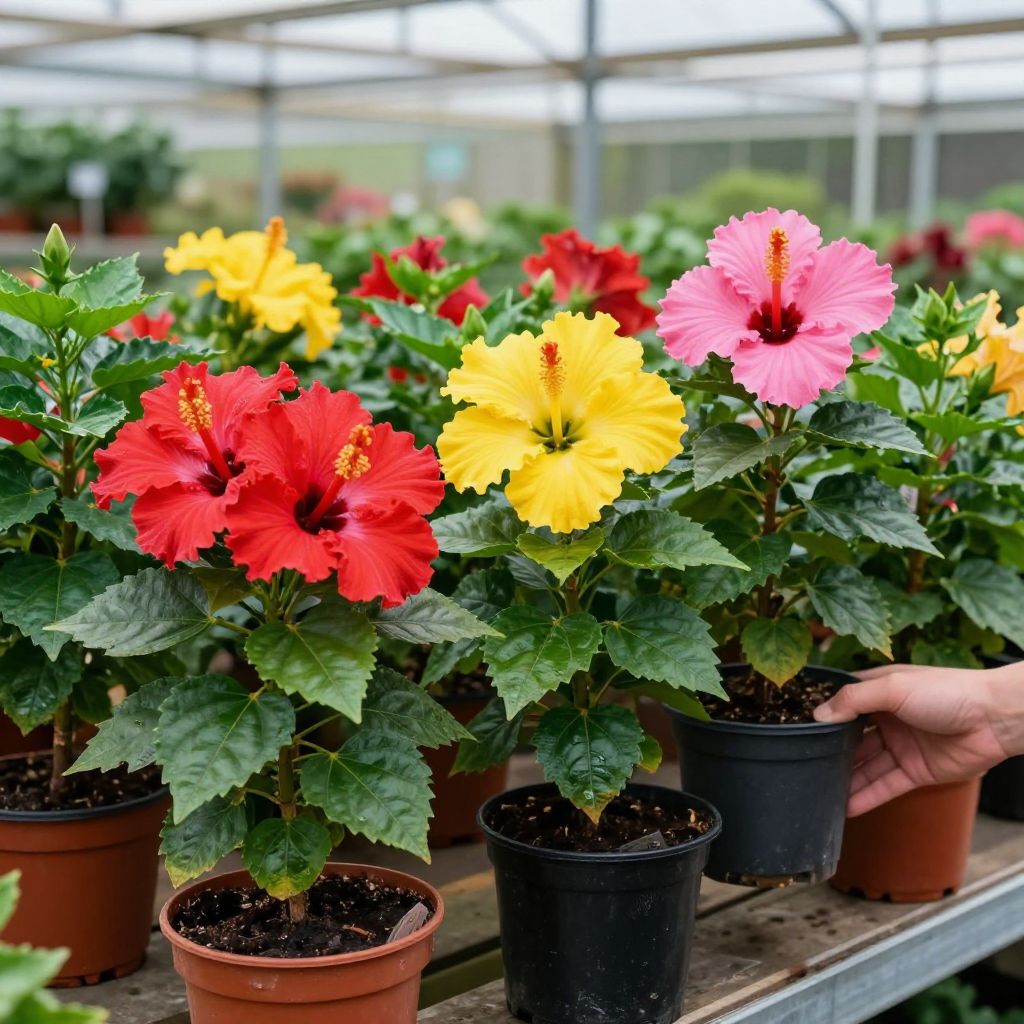
Looking for where to buy hibiscus flowers? The best place depends on whether you want a flowering houseplant, a hardy landscape shrub, or cut blooms for display. Hibiscus is sold through garden centers, nurseries, online plant retailers, and sometimes seasonal markets, but quality varies a lot by source.
Choose the seller based on your climate, the type of hibiscus you want, and how soon you need it. A healthy plant with strong roots and good care instructions will establish faster and bloom more reliably than a bargain plant that has been poorly grown or shipped.
Where to buy hibiscus flowers?
You can buy hibiscus flowers or plants from local garden centers, independent nurseries, big-box stores, online plant shops, and specialty tropical growers. For the best results, buy from a source that labels the plant type clearly, lets you inspect plant health, and matches the hibiscus to your growing conditions.
Best places to buy hibiscus plants
Local garden centers
Garden centers are often the easiest place to start because you can inspect the plant in person. Look for compact growth, healthy green leaves, and no signs of pests on the undersides of foliage.
This is also the best option if you want help choosing between tropical hibiscus and hardy hibiscus, since staff can usually tell you which plants suit your area.
Independent nurseries
Independent nurseries often carry better-quality plants than general retailers, especially if you want a specific variety or a well-rooted shrub. They may also stock more climate-appropriate selections and offer better advice on planting and aftercare.
If you are buying for a landscape bed, this is often the most reliable place to find plants that have been grown for local conditions rather than mass-market display.
Online plant retailers
Online sellers are useful when local stores have limited stock or you want a wider selection. They are especially helpful for tropical hibiscus cultivars, specialty colors, or larger plants that are hard to find locally.
Before ordering, check shipping policies, plant size, and return guarantees. A reputable seller should explain whether the plant is shipped bare-root, potted, or in a dormant state.
Big-box stores and seasonal displays
Big-box stores can be convenient and affordable, especially in spring and summer. They are fine for beginners if you inspect the plant carefully and avoid anything wilted, root-bound, or heavily infested with pests.
These stores often carry tropical hibiscus as seasonal patio plants, so they may be best for container growing rather than permanent outdoor planting in cooler climates.
Farmers markets and plant fairs
Some local growers sell hibiscus at plant fairs, farmers markets, or community sales. This can be a great way to buy a plant that is already adapted to your area’s weather and seasonal patterns.
Ask how the plant was grown, whether it has been hardened off, and whether it is suited to full sun, part sun, or indoor overwintering.
How to choose the right hibiscus
Know which type you are buying
“Hibiscus” can refer to several different plants. The two most common types for home gardeners are tropical hibiscus (Hibiscus rosa-sinensis) and hardy hibiscus, often in the Hibiscus moscheutos group.
- Tropical hibiscus: Best for warm climates or containers that can be moved indoors.
- Hardy hibiscus: Better for outdoor beds in colder climates where the plant can survive winter dormancy.
If you buy the wrong type for your climate, the plant may struggle even if it looks healthy at the store.
Inspect the plant before you buy
Healthy hibiscus should have firm stems, evenly colored leaves, and visible buds or strong new growth. Avoid plants with yellowing leaves, sticky residue, webbing, or blackened stems.
- Check the undersides of leaves for aphids, whiteflies, or mites.
- Look for roots circling tightly out of the pot or growing through drainage holes.
- Choose plants with several healthy stems rather than one tall, weak shoot.
- Avoid plants that have dropped many leaves from stress.
Choose the right size for your space
Smaller plants often establish faster than oversized ones, especially in containers. A medium-sized plant with active growth usually adapts better than a large, root-bound specimen that has been sitting too long in a pot.
If you want immediate impact in a landscape bed, a larger plant can work, but only if the root system is healthy and not cramped.
Buying hibiscus for indoor or outdoor growing
For indoor growing
If you plan to grow hibiscus indoors, choose a tropical hibiscus and place it near a very bright window. Indoor plants need strong light, good airflow, and careful watering to avoid leaf drop.
When buying for indoors, ask whether the plant has been grown in greenhouse conditions and whether it will need a gradual adjustment to your home environment.
For outdoor beds
For outdoor planting, match the hibiscus to your local climate and soil. Hardy hibiscus is usually the better choice for permanent beds in colder regions, while tropical hibiscus works best in frost-free areas or as a seasonal container plant.
Make sure the planting site has enough sun and drainage before you buy. Hibiscus can fail in waterlogged soil even if the plant is otherwise healthy.
What to ask before you purchase
Good sellers should be able to answer a few simple questions. If they cannot, consider buying elsewhere.
- Is this a tropical or hardy hibiscus?
- Will it grow best in full sun, part sun, or bright indoor light?
- Is the plant container-grown, bare-root, or recently shipped?
- Has it been hardened off for outdoor planting?
- What size will it reach at maturity in your climate?
These questions help you avoid buying a plant that looks attractive in the store but is poorly suited to your garden.
How to plant hibiscus after buying it
Prepare the site first
Hibiscus grows best in rich, well-drained soil. Before planting, loosen the soil and mix in compost if your ground is poor, sandy, or heavy with clay.
Good drainage is especially important. If water sits around the roots, hibiscus can decline quickly.
Planting steps
- Water the plant lightly before planting so the root ball is evenly moist.
- Dig a hole about as deep as the pot and slightly wider.
- Set the plant so the top of the root ball is level with the surrounding soil.
- Backfill gently and firm the soil without packing it hard.
- Water thoroughly to settle the roots.
- Mulch lightly, keeping mulch a few inches away from the stem.
For container planting, use a pot with drainage holes and a quality potting mix designed for containers, not heavy garden soil.
Growing conditions hibiscus usually prefers
Sunlight
Most hibiscus flower best with plenty of sun. Tropical hibiscus generally needs bright light and several hours of direct sun, while hardy hibiscus also performs best in a sunny site.
In very hot climates, some afternoon shade can help reduce stress, especially for newly planted specimens.
Watering
Hibiscus likes consistent moisture, but not soggy soil. Newly planted hibiscus may need more frequent watering until roots establish, while mature plants usually need less frequent but deeper watering.
Check the soil with your finger before watering. If the top inch or two is dry, it is usually time to water; if it is still moist, wait.
Soil and compost
Hibiscus does well in fertile soil enriched with compost. Compost helps improve texture, moisture retention, and nutrient availability, especially in poor or compacted ground.
Do not overdo organic matter in a wet site. If drainage is poor, raised beds or containers may be a better choice.
Common problems after purchase
Leaf drop
Leaf drop is common when hibiscus is moved from a greenhouse or store to a new home. Changes in light, temperature, or watering often cause temporary stress.
Keep the plant in stable conditions, avoid overwatering, and give it time to adjust before making more changes.
Pests
Hibiscus can attract aphids, spider mites, whiteflies, and scale insects. Check plants regularly, especially if you bought them from a crowded retail display or brought them indoors.
- Rinse small infestations off with a strong spray of water.
- Remove badly affected leaves.
- Isolate new plants before placing them near others.
Poor blooming
If a hibiscus grows leaves but few flowers, the most common causes are low light, too much shade, frequent stress, or a plant that is not yet established.
Move container plants to brighter light if needed, and avoid heavy pruning at the wrong time, since that can remove flower buds.
Propagation and future buying decisions
Once you have a healthy hibiscus, you may want to propagate it by stem cuttings, especially for tropical varieties. This can be a useful way to keep a favorite plant going if you find one that performs well in your conditions.
For most home gardeners, though, buying a strong, well-labeled plant from a reliable source is the fastest path to success.
Practical mistakes to avoid
- Buying without knowing whether the plant is tropical or hardy.
- Choosing a plant with root problems just because it is on sale.
- Planting into heavy, poorly drained soil without improvement.
- Moving a greenhouse-grown plant straight into harsh sun without acclimating it first.
- Overwatering a newly purchased plant that is still adjusting.
A little inspection at the store or online can save you a lot of disappointment later.
Final tips for successful hibiscus growing
If you are deciding where to buy hibiscus flowers, start with a source that clearly labels the plant type and offers healthy, well-rooted stock. Then match the plant to your climate, light, and drainage conditions before you bring it home.
For more gardening help, consider reading about container plant care and choosing the right flowering shrubs for your climate so you can give your hibiscus the best possible start.
Leave a Reply