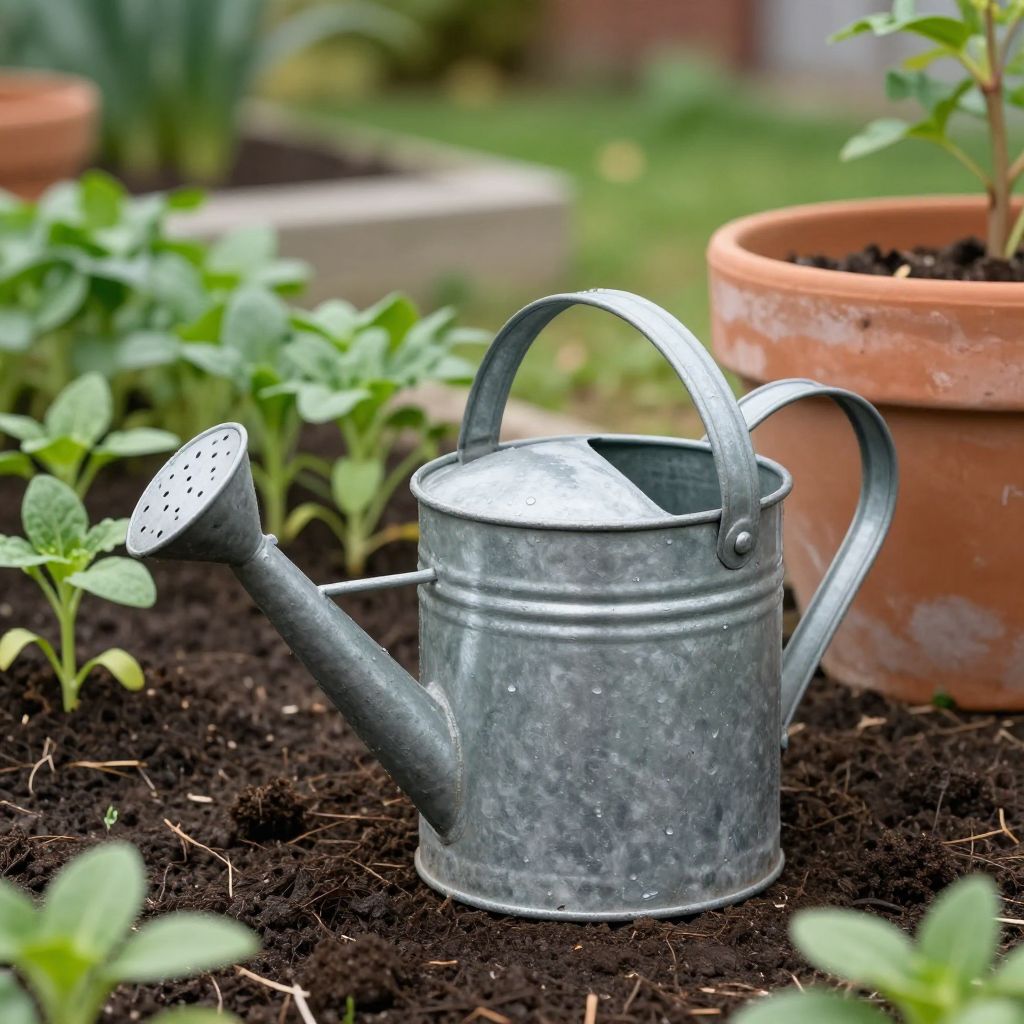
Trying to choose or use a metal watering can for your garden? The right can makes hand watering easier, more accurate, and less wasteful—especially for pots, seedlings, hanging baskets, and small beds.
But not every metal watering can is equally practical. The best choice depends on capacity, balance, spout design, and whether you need it for indoor plants, greenhouse watering, or outdoor garden use.
What is a metal watering can best used for?
A metal watering can is ideal for controlled, targeted watering of containers, seedlings, houseplants, and delicate garden areas. It lets you direct water at the soil line instead of splashing foliage, which helps reduce waste and can lower disease risk in many plants.
How do you choose the right metal watering can?
Choose a can that matches your strength, your plant collection, and how far you need to carry water. A well-sized can should feel balanced when full, pour smoothly, and be easy to fill and clean. For most gardeners, comfort matters more than looks.
Capacity and weight
Metal watering cans are often sold in small indoor sizes and larger outdoor sizes. A larger can holds more water, but it also becomes heavy fast.
- Small cans are easier for indoor plants, shelves, and seedlings.
- Medium cans suit patios, balconies, and mixed container gardens.
- Large cans reduce refill trips but can be awkward when full.
If you water by hand for long periods, a lighter can is usually easier on your wrists and shoulders.
Spout style and rose attachment
The spout controls how water lands. A long spout helps you reach under foliage and into pots without splashing, while a removable rose creates a gentle shower for seedlings and newly sown seed.
- Fine rose: best for seedlings, trays, and fragile transplants.
- Open spout: best for established pots and direct soil watering.
- Long neck: useful when watering tight spaces or hanging baskets.
Material and finish
Metal cans are commonly made from galvanized steel, stainless steel, or powder-coated metal. Galvanized cans are traditional and durable, but they can eventually corrode if left wet. Stainless steel resists rust better, while coated finishes may look attractive but still need care to avoid chips and scratches.
How do you use a metal watering can correctly?
Fill the can with clean water, carry it close to your body, and water slowly at the base of each plant until the root zone is evenly moistened. Avoid blasting the soil or soaking leaves unnecessarily. The goal is deep, even watering, not flooding.
- Fill the can only as much as you can comfortably carry.
- Check that the rose is attached securely if you need a gentle flow.
- Water the soil, not the foliage, whenever possible.
- Pause so water can soak in before adding more.
- Empty any leftover water after use if the can will sit unused.
For indoor plants
Indoor plants usually need smaller, more precise watering than garden beds. A metal watering can with a narrow spout helps you avoid spills on floors, windowsills, and furniture.
Water until a little moisture reaches the drainage holes, then let excess drain away. Never leave pots standing in runoff water unless the plant specifically prefers consistently moist conditions.
For outdoor beds and containers
Outdoors, a metal watering can is especially useful for newly planted flowers, vegetables, herbs, and containers that dry out quickly. Water slowly so the soil can absorb moisture instead of letting it run off the surface.
In windy or hot weather, morning watering is often more efficient because less water is lost to evaporation. In cooler or shaded conditions, you may need less frequent watering overall.
What plants benefit most from hand watering?
Hand watering with a metal watering can works best for plants that need careful moisture control. Seedlings, young transplants, potted herbs, hanging baskets, and shallow-rooted ornamentals often do better with a gentle, targeted approach than with a strong hose spray.
Common examples
- Tomatoes, peppers, and other container vegetables
- Annual flowers in pots and window boxes
- Newly planted shrubs and perennials
- Houseplants with compact root systems
- Seed trays and propagation pots
Established landscape plants in the ground may need less frequent hand watering, but a watering can is still useful for spot-watering during dry spells or after planting.
How do you know when to water?
Do not water on a fixed schedule alone. Instead, check the soil first. The top 2 to 5 cm, or about 1 to 2 inches, may dry quickly in containers, but deeper soil can still be moist. Different plants, pot sizes, soil types, and weather conditions all change how often you should water.
Simple moisture checks
- Finger test: insert a finger into the soil and feel for moisture.
- Pot weight: a dry pot feels much lighter than a recently watered one.
- Leaf cues: wilting can mean thirst, but it can also mean heat stress or root problems.
Clay soil in the ground holds water longer than sandy soil. Container mix dries faster than garden soil, especially in sun and wind.
How can you make watering more effective?
Good watering is about getting moisture where roots can use it. A metal watering can gives you control, but technique still matters. Water slowly, aim at the soil surface, and allow the moisture to soak in rather than rushing through the pot or bed.
Best watering habits
- Water early in the day when possible.
- Apply water at the base of the plant.
- Use a rose for seedlings and newly sown areas.
- Check drainage so water does not pool around roots.
- Mulch beds and containers to slow evaporation.
If water runs straight through a pot, the mix may be too dry, compacted, or peat-free and hydrophobic. In that case, water in stages: add a little, wait, then add more.
What are the common mistakes with a metal watering can?
Most watering problems come from overwatering, under-watering, or using the wrong tool for the job. A metal watering can is helpful, but it will not fix poor soil structure, bad drainage, or a plant placed in the wrong light.
Problems to avoid
- Overfilling the can, which makes it hard to carry and control.
- Watering only the surface, which leaves roots dry below.
- Soaking leaves repeatedly, which can encourage some fungal issues.
- Ignoring drainage holes in pots and trays.
- Leaving water in the can if the interior is prone to rust.
If your can rusts
Dry the can after use and store it in a sheltered place. If rust begins, clean it promptly and keep the inside as dry as possible between uses. A small amount of surface rust is common on some metal cans, but persistent wet storage shortens their life.
How do you care for a metal watering can?
Regular care keeps a metal watering can working well for years. Rinse out soil, fertilizer residue, and algae, then let it dry thoroughly. If the rose clogs, remove it and flush it with water to clear debris.
Maintenance checklist
- Empty leftover water after each use.
- Rinse the inside occasionally to remove sediment.
- Check seams, handles, and the spout for wear.
- Store under cover or indoors when possible.
- Keep the rose clean so water flows evenly.
If you use fertilizer in watering water, rinse the can afterward so residue does not build up. That is especially important for metal cans with narrow spouts or decorative finishes.
Is a metal watering can better than plastic?
Metal and plastic cans each have advantages. Metal often feels sturdier and more stable, while plastic is usually lighter and less likely to corrode. The better choice depends on how you garden, how much you carry, and whether durability or weight matters more to you.
- Choose metal if you want durability, balance, and a classic feel.
- Choose plastic if you need a very light can or a low-cost option.
- Choose a small metal can for indoor or precision watering.
- Choose a larger can only if you can still lift and pour it safely when full.
How can you match watering can use to the season?
Season changes affect how often you need to water and how quickly soil dries. In warm, bright, windy weather, containers may need water far more often than in cool or cloudy periods. In winter, many indoor plants need less water because growth slows.
Seasonal adjustments
- Spring: newly planted seedlings and transplants often need careful, regular moisture.
- Summer: pots may need frequent checks, especially in full sun.
- Autumn: watering often slows as temperatures drop, but dry spells still matter.
- Winter: indoor plants usually need less water, but heated rooms can dry them out.
Always adjust to your local climate, rainfall, container size, and soil type rather than following a rigid calendar.
Conclusion
A metal watering can is a simple but valuable gardening tool when you use it with care. Choose a size you can carry comfortably, water at the soil line, and adjust your routine to the plant, season, and growing conditions. If you want better results, start by checking the soil before every watering.
If you’d like to improve your hand-watering technique further, you may also enjoy reading about container gardening basics and houseplant care tips.