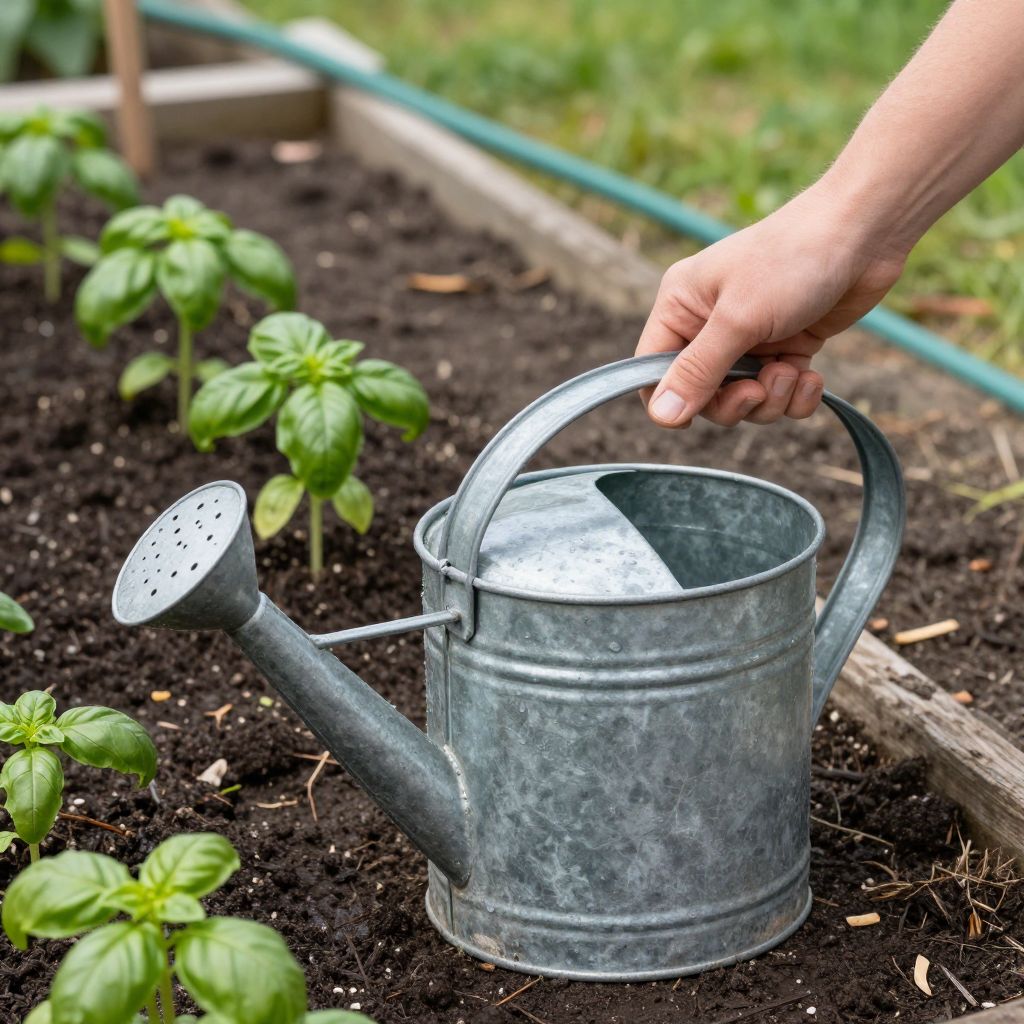
Looking for a watering can near me because your plants need attention now? The best choice depends on what you grow, where you water, and how much control you want. A good watering can should feel balanced, pour smoothly, and match the size of your indoor pots, seedlings, or garden beds.
If you’re shopping locally, think beyond price. The right can saves time, reduces spills, and helps you water at the soil line instead of soaking leaves or compacting potting mix.
Watering Can Near Me: What should you look for?
Choose a watering can that matches your gardening task: a smaller can for houseplants and seedlings, a larger one for patio containers or raised beds. Look for a comfortable handle, a steady spout, and a removable rose if you need gentle watering. The best can is the one you can carry, aim, and empty without strain.
How to choose the right watering can for your plants
Size and capacity
Watering cans usually range from about 1 to 2 gallons for home use, though smaller and larger options exist. A larger can reduces refills, but it also gets heavy quickly when full.
- Small indoor plants and seedlings: 1 quart to 1 gallon is often easier to handle.
- Patio containers: 1 to 2 gallons is practical for most home gardeners.
- Raised beds or larger collections: multiple smaller trips may be easier than one heavy can.
If you have wrist, shoulder, or back concerns, choose a lighter can even if it means refilling more often.
Spout style and rose attachment
A long spout helps you direct water to the base of the plant. A removable rose, or sprinkler head, breaks water into smaller droplets, which is useful for seedlings, shallow-rooted plants, and newly potted plants.
- Use the rose for delicate plants, fresh transplants, and indoor pots with loose potting mix.
- Remove the rose for deep watering of established containers or when you need a more direct stream.
Material and durability
Plastic cans are lightweight and usually affordable. Metal cans often feel sturdier and can last longer, but they may be heavier and can rust if the finish is damaged.
For outdoor storage, choose a material that tolerates sun exposure and temperature swings. For indoor use, a lighter plastic can is often the most convenient.
Where to find a watering can near you
Local garden centers, hardware stores, home improvement stores, and nurseries often stock watering cans in different sizes. If you want to compare grip, balance, and spout shape, shopping in person is helpful because you can lift the can before buying.
- Garden centers: usually best for plant-specific options and better-quality tools.
- Hardware stores: often carry practical, budget-friendly choices.
- Nurseries: may offer smaller cans suited to houseplants and container gardening.
- Farm and feed stores: sometimes have durable utility cans for larger jobs.
If you search “watering can near me” online, check store hours, stock levels, and whether the can includes a rose. Photos can be misleading, so read the dimensions and capacity carefully.
How to water plants correctly with a watering can
Water the soil, not the leaves
Most plants do better when water goes directly to the root zone. Wet leaves can encourage fungal problems on some plants and waste water through evaporation.
- Fill the can and test the weight before you start.
- Move close to the pot or plant base.
- Pour slowly so the water soaks in instead of running off.
- Pause if the surface puddles, then continue once it absorbs.
Water deeply enough
Shallow watering encourages roots to stay near the surface. For containers, water until you see a little drainage from the bottom, then stop. For garden beds, water more slowly and less often so moisture reaches deeper into the root zone.
Good drainage matters as much as watering. If water sits in the pot saucer or the soil stays soggy, roots can suffocate and rot.
Adjust for indoor and outdoor plants
Indoor plants usually dry out more slowly than outdoor containers, but heated rooms can speed evaporation. Outdoor pots dry faster in sun, wind, and hot weather, especially terracotta containers.
- Indoor plants: check soil with your finger before watering.
- Outdoor containers: check more often during warm, windy, or sunny spells.
- Garden beds: water less often, but more thoroughly when needed.
Common watering mistakes to avoid
Using too much force
A strong stream can wash soil away, expose roots, or flatten seedlings. If your watering can has no rose, pour from lower down and more slowly.
Watering on a fixed schedule
Plants do not all need water on the same day each week. Pot size, soil type, sunlight, wind, humidity, and plant maturity all affect how fast the soil dries.
Instead of guessing, use the finger test: if the top inch or two of soil feels dry, many container plants are ready for water. Succulents and drought-tolerant plants often need the soil to dry more before watering again.
Ignoring drainage
Even the best watering can cannot fix poor drainage. If a pot has no drainage holes, excess water has nowhere to go, and roots may decline.
- Use pots with drainage holes whenever possible.
- Empty saucers after watering if water collects.
- For heavy garden soil, improve structure with compost rather than overwatering.
Choosing a watering can for specific gardening tasks
Seedlings and young transplants
Use a can with a fine rose so you do not disturb tender roots or wash away seeds. Water gently and keep the surface evenly moist, not saturated.
Houseplants
A narrow spout helps you reach between leaves and direct water to the soil. A smaller can is often easier to store and less likely to spill indoors.
Raised beds and containers
For larger containers, a medium-capacity can saves time. If your plants are spread out, a well-balanced can with a comfortable handle matters more than style.
Hanging baskets
Choose a can with a long spout so you can reach over foliage without crushing stems. Water slowly because baskets often dry unevenly.
How to care for your watering can
Rinse the can occasionally so sediment does not clog the rose. If you use tap water with visible mineral buildup, clean the spout and rose more often.
- Empty leftover water after use, especially in metal cans.
- Store it out of direct sun if the plastic is thin or brittle.
- Keep the rose and cap together so you do not misplace small parts.
- Check for cracks, leaks, or a loose handle before the busy season starts.
If a can starts leaking at the seam or handle, it may still work for light use, but replacing it is usually better than fighting constant drips.
How to tell if your plants need water
Use the plant itself and the soil as your guide. Wilting can mean thirst, but it can also happen in hot sun even when soil is moist, so always check before watering.
- Dry topsoil is often the first sign for many potted plants.
- Light-colored, crumbly soil may need water.
- Heavy, dark, wet soil usually means wait.
- Leaves that droop in the morning can signal real water stress.
For new plants, water more carefully while roots are establishing. For mature plants, encourage deeper roots by watering thoroughly and then allowing the soil to partially dry before the next watering.
Final tips before you buy
When you search for a watering can near me, bring your actual gardening needs into the decision. The best can is comfortable to carry, easy to pour, and suited to the size and type of plants you grow.
Before you leave the store, lift the can, check the spout, and imagine using it on your smallest and largest plants. If you want to keep improving your watering routine, related reading on choosing the right potting mix and improving container drainage can help you get better results with every plant.
Leave a Reply