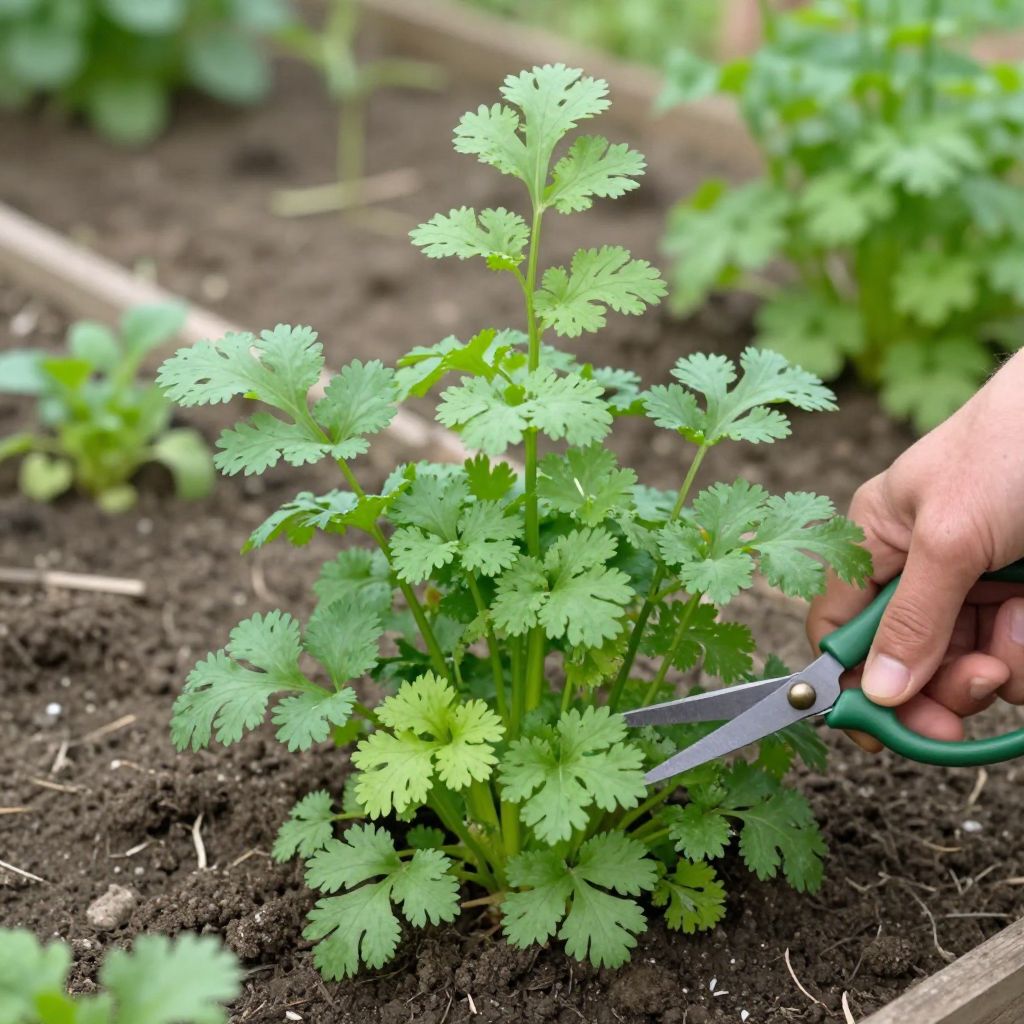
If you’re wondering when to harvest cilantro, the short answer is: pick it early and often, before the plant bolts and sends up flowers. Cilantro leaves taste best when the plant is young, leafy, and growing in cool conditions. Once flower stalks appear, the leaves usually become thinner, more bitter, and less productive.
That doesn’t mean you missed your chance. You can still harvest cilantro leaves for a while, and you can also collect seeds later if you want coriander. The key is learning to read the plant’s growth stage so you can harvest at the right time for the flavor and use you want.
When to harvest cilantro?
Harvest cilantro when the plant has developed enough leafy growth to spare, usually once stems are 6 to 8 inches tall and have several sets of true leaves. Pick outer leaves first for a longer harvest window, and cut the whole plant before flowering if you want the freshest, mildest flavor.
How to tell cilantro is ready to pick
Cilantro is ready to harvest as soon as it has enough foliage to use, but timing depends on how you plan to harvest it. Young plants can be lightly thinned, while established plants can be cut more heavily if you want a larger bunch.
Signs your cilantro is harvestable
- Plant height: about 6 to 8 inches tall, often more if growing in cooler weather.
- Leaf count: several sets of true leaves, not just the first seed leaves.
- Healthy color: bright green, tender leaves without yellowing or spotting.
- Sturdy stems: enough growth to remove a few stems without weakening the plant.
If the plant is very small, let it grow a little longer before taking much from it. If it is already sending up a central stalk, harvest soon because the leafy stage is ending.
What bolting looks like
Bolting is when cilantro switches from leaf growth to flower and seed production. You’ll notice the center stem stretching upward, leaves becoming finer or more feathery, and the plant looking less bushy.
Once bolting begins, the leaves can still be eaten, but the flavor often changes. If you like a stronger, sharper taste, you may still want to use them. If you prefer tender, mild cilantro, harvest before this stage.
Best time of day to harvest cilantro
Harvest cilantro in the morning after dew dries, when leaves are crisp and hydrated. Early-day harvesting usually gives you the best texture and helps the cut stems stay fresher longer. Avoid harvesting in the heat of the afternoon if possible, especially during warm weather.
If you’re harvesting for immediate use, the time of day matters less. But if you want to store cilantro for a few days, morning-picked leaves usually hold up better.
How to harvest cilantro without killing the plant
You can keep cilantro productive by harvesting in a way that encourages new leaf growth. The best method is to take the outer stems first and leave the center growing point intact.
Step-by-step leaf harvest
- Use clean scissors or pinch stems with your fingers.
- Choose the outer, older stems first.
- Cut stems near the base, leaving the inner growth untouched.
- Take no more than about one-third of the plant at a time if you want it to keep growing well.
- Repeat every few days as new leaves appear.
This method works well for container-grown cilantro and garden beds alike. It helps the plant stay bushier for longer, especially in cool weather.
When to cut the whole plant
If you want a larger harvest all at once, cut the entire plant at soil level before it bolts. This is useful when the plant is starting to stretch or when hot weather is about to arrive.
Whole-plant harvesting is also a good choice if you’ve planted cilantro densely and want to clear space for another crop.
How often can you harvest cilantro?
Cilantro can often be harvested every few days once it is growing strongly, but the exact pace depends on temperature, sunlight, moisture, and how quickly it is bolting. In cool conditions, you may get several rounds of leaf picking. In warm weather, the harvest window can be much shorter.
Watch the plant rather than the calendar. If new leaves keep appearing from the center, you can continue harvesting lightly. If growth slows or the plant begins to flower, switch to a final cut or seed harvest.
Harvesting cilantro in containers vs. garden beds
Cilantro grown in pots often matures faster and bolts sooner because containers warm up and dry out more quickly than garden soil. That means you may need to harvest earlier and more often.
Container-grown cilantro
- Check moisture frequently, because dry soil stresses the plant and can speed bolting.
- Harvest lightly and often to keep the plant leafy.
- Move pots to a cooler, brighter spot if afternoon heat is intense.
Cilantro in the ground
- Garden soil usually holds moisture and temperature more steadily.
- Plants may stay productive a bit longer in partial shade or cooler seasons.
- Space plants well so air can move around them and foliage dries after watering.
Conditions that affect harvest timing
Cilantro is a cool-season herb, so harvest timing is strongly influenced by weather. In many climates, spring and fall produce the best leaves, while summer heat shortens the harvest period.
Sunlight
Cilantro grows best in full sun in cool weather, but in warmer climates it often benefits from light afternoon shade. Too much heat and strong sun can push the plant to bolt early, reducing the time you have to harvest leaves.
Watering
Even moisture helps cilantro stay tender and leafy. Letting the soil dry out too much can stress the plant, while soggy soil can cause root problems. Water deeply when the top inch of soil feels dry, adjusting for your local weather and soil type.
Soil and drainage
Loose, well-drained soil supports steady growth. Heavy, compacted soil can slow the plant and make it more prone to stress. If your soil holds water too long, mix in compost to improve structure and drainage.
What to do if cilantro is bolting too fast
If your cilantro starts flowering before you’ve harvested much, don’t assume the crop is over. You still have a few useful options.
- Harvest immediately: cut usable leaves before they become too coarse.
- Use the stems and leaves: younger stems are still edible and flavorful.
- Let some plants flower: if you want coriander seeds later, keep a few plants going.
- Replant in cooler weather: succession sowing often gives a better leaf crop than one long planting.
For future plantings, choose a cooler season, keep the soil evenly moist, and avoid letting the plant get heat-stressed. Those steps usually matter more than any single harvest technique.
Can you harvest cilantro after it flowers?
Yes, but the leaves are usually less tender. Once cilantro flowers, leaf production slows and the flavor often becomes stronger and less sweet. You can still snip young leaves for cooking, but many gardeners shift attention to the flowers and seed heads.
If you want coriander seeds, let the flowers fade and the seed heads dry on the plant. Harvest the seeds when they turn tan or brown and feel dry, then finish drying them indoors if needed.
Common harvesting mistakes to avoid
- Waiting too long: cilantro can go from leafy to bolting quickly in warm weather.
- Cutting the center too early: removing the growing point can slow regrowth.
- Harvesting too much at once: taking too many leaves can weaken a small plant.
- Ignoring heat stress: dry soil and hot sun shorten the harvest window.
- Using dull tools: crushed stems recover poorly and may wilt faster.
How to keep cilantro producing longer
You can’t stop cilantro from eventually bolting, but you can stretch the harvest period. The goal is to keep the plant cool, evenly watered, and lightly harvested.
- Sow seeds in succession every couple of weeks during suitable weather.
- Grow cilantro where it gets morning sun and some afternoon shade in hot climates.
- Thin seedlings so plants are not overcrowded.
- Mulch lightly to help the soil stay cool and moist.
- Harvest outer leaves regularly instead of waiting for a huge bunch.
These simple habits often make a bigger difference than fertilizer. A stressed cilantro plant usually bolts faster than a lightly fed but well-cared-for one.
What to do after harvesting
After picking cilantro, rinse the leaves gently if needed, then dry them well before storing. Excess moisture can cause wilting or spoilage. If you’ve cut the plant back but left the center intact, keep the soil evenly moist so it can regrow quickly.
Check the plant every few days for new leaves, flower stalks, or signs of stress. The sooner you spot bolting, the more useful harvests you can still get.
Conclusion
When to harvest cilantro comes down to one simple rule: pick it young, before heat and flowering reduce leaf quality. Start harvesting once the plant is a few inches tall and leafy, then keep taking outer stems to extend production. If the plant begins to bolt, harvest promptly and decide whether you want the last leaves or the seeds.
For more practical herb-growing guidance, you may also want to read about growing herbs in containers and how to keep leafy herbs productive longer.